
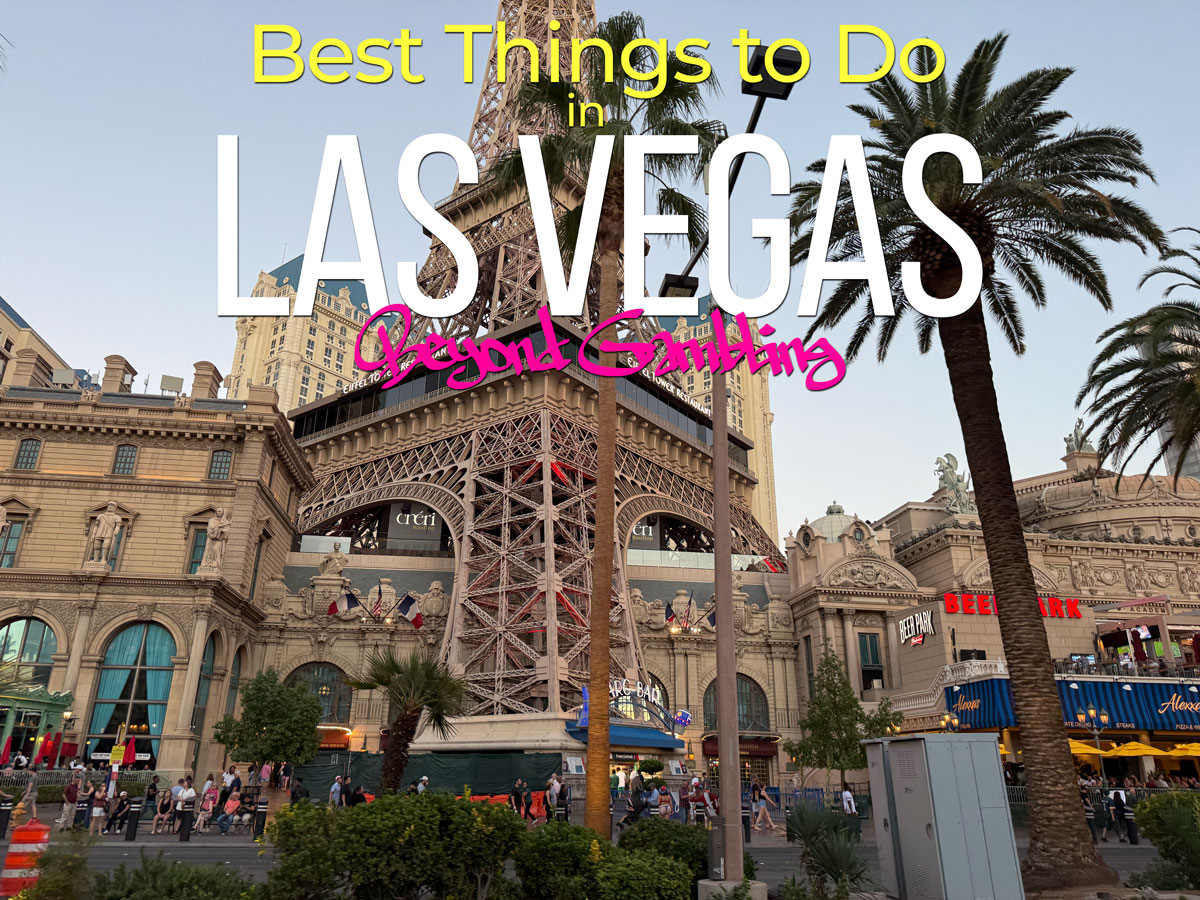
Here’s the thing about Las Vegas that most people figure out somewhere around day two: the city is almost more interesting when you stop treating the casino floor as the main event.
Here’s where to point yourself.
The Sphere — This Is Why You Come to Vegas in 2026
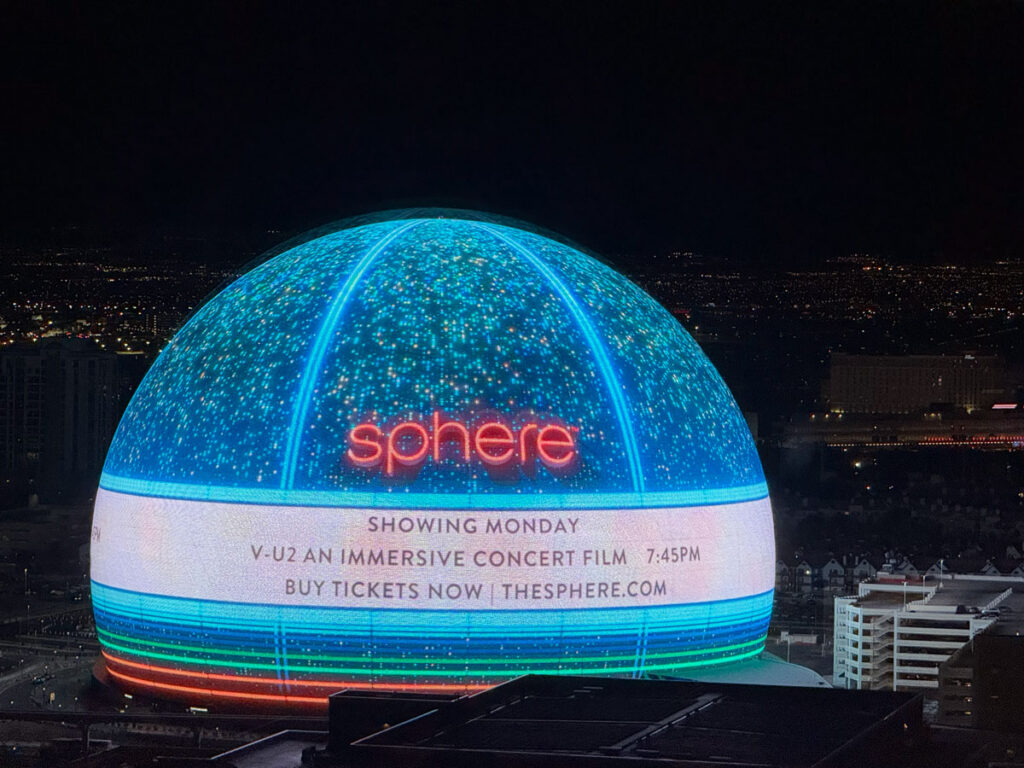
Let’s get this one out of the way first because it’s not optional.
The Sphere cost $2.3 billion to build. It’s the largest LED screen on earth — 160,000 square feet of interior display wrapped around a dome so large that 20,000 people sit inside it. The audio system puts sound in three dimensions. The seats have haptic motors. When something falls on the screen, you feel it.
The flagship experience right now is The Wizard of Oz at the Sphere ($95–$140) — an immersive film version of the classic that has generated $370 million in ticket sales and genuinely changed what a lot of people think “entertainment” can be. The tornado sequence you feel in your seat. Apples fall from the ceiling during one scene. The Emerald City rendered on a 16K screen is something you can’t describe accurately to someone who hasn’t sat inside it.
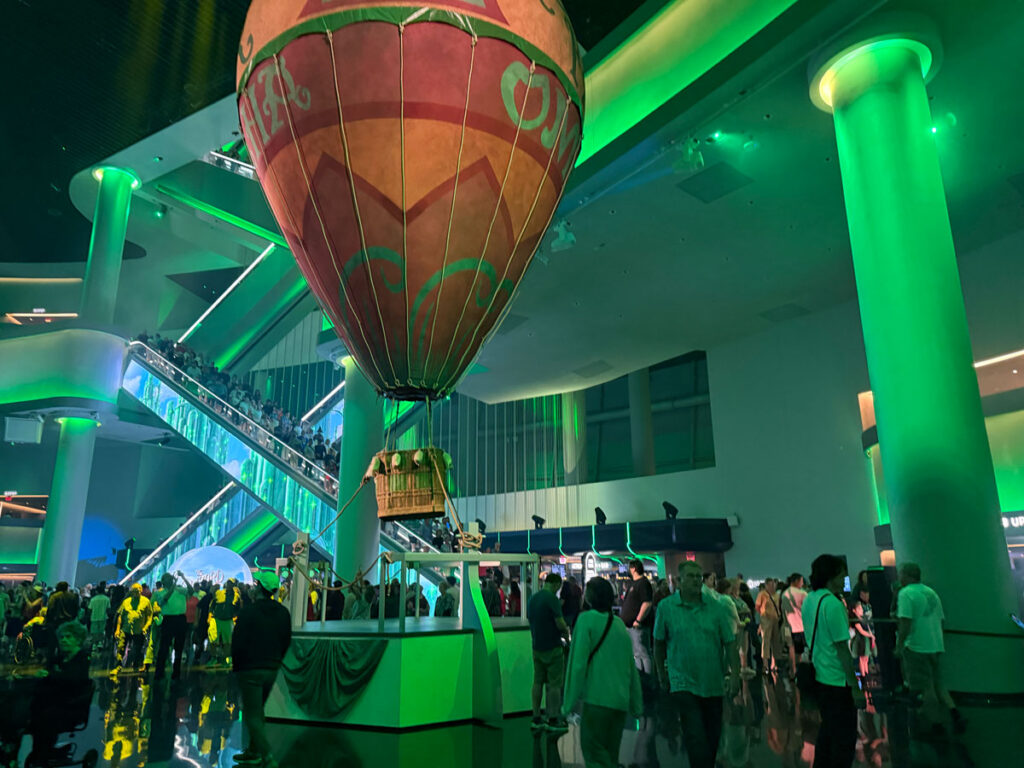
But summer 2026 adds something else: the Backstreet Boys have a residency running July 16 through August 29, and ILLENIUM’s ODYSSEY show plays July 3–4. Concert residencies at the Sphere are a different level of performance from any arena you’ve been in before. The building responds to the music. Book early — resale prices spike the moment good seats disappear from the primary market.
Read more: Las Vegas Master Guide 2026
Insider tips, because the generic stuff won’t help you: Arrive at least 45 minutes before showtime for Sphere-produced films — the atrium experience includes Aura, a humanoid AI robot who has actual conversations with guests, makes eye contact, and apparently dances. She’s remarkable. Budget security time. Seats in the 300 level center are the sweet spot. The $20 beer is real, so calibrate accordingly.
Book Sphere tickets directly through the Sphere website. For your hotel near the Sphere, the Venetian is the closest Strip property — search current rates on Expedia and compare with Booking.com before committing.
Red Rock Canyon — 20 Minutes From the Strip, Zero Tourists
Everyone knows about the Grand Canyon. Almost nobody outside Nevada thinks about Red Rock Canyon — which is exactly why it belongs on this list.
Twenty minutes west of the Strip on Charleston Boulevard, Red Rock Canyon National Conservation Area is 200,000 acres of fire-colored sandstone cliffs, ancient desert geology, and hiking trails that range from a casual 1-mile loop to serious technical routes. The 13-mile scenic drive has 13 designated pull-offs with views that look like a Mars mission photo. The Calico Hills trailhead lets you scramble directly onto the red and cream-colored rock faces.
The contrast is what gets people. You’re standing on the Strip at 10pm, the whole city is lit up around you, and 20 minutes later you’re watching a hawk circle above a canyon in complete silence. This city contains both of those things simultaneously.
Summer tip: go early, before 8am. The canyon gets brutal by 10am in July — the rock absorbs heat and the trails offer no shade. Sunrise at Calico Tanks is worth the alarm.
Entry is $15 per vehicle or free with an America the Beautiful Annual Pass. If you’re doing Arches or Zion or any other national parks on this trip, the $80 annual pass pays for itself in two stops.
Area 15 and Meow Wolf’s Omega Mart — Genuinely Weird, Genuinely Great
This one takes some explaining and still doesn’t quite capture it.
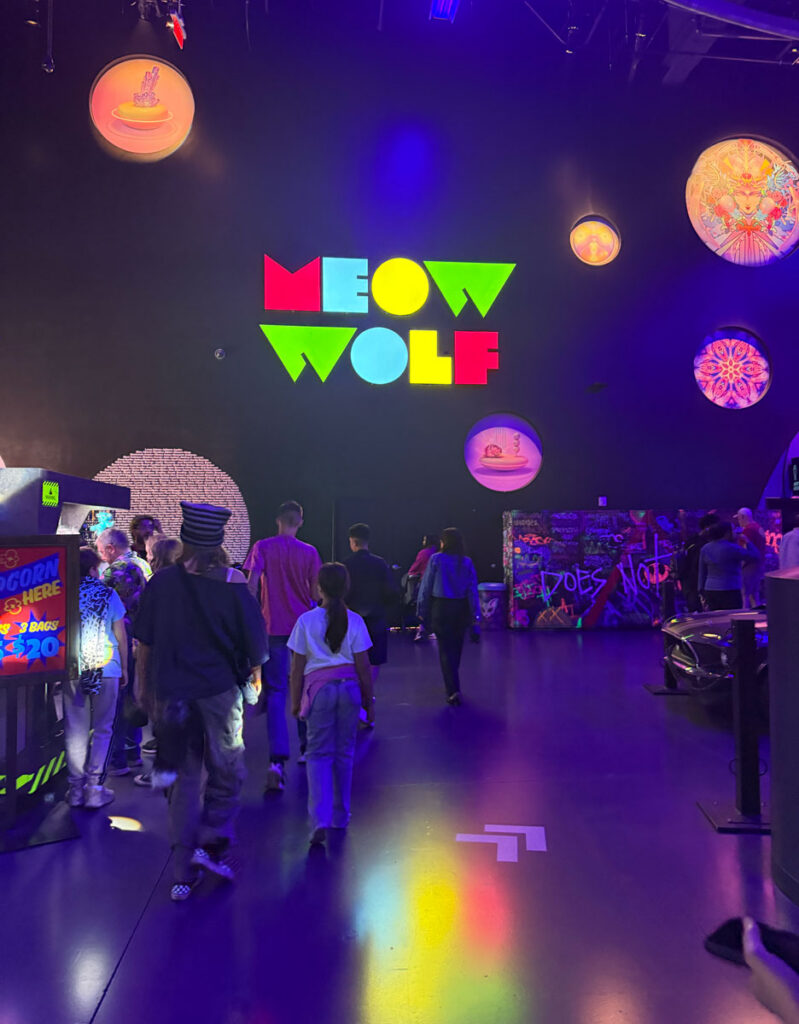
Area 15 is an immersive entertainment complex about 10 minutes from the Strip. The main draw inside it is Omega Mart by Meow Wolf — a portal to an alternate dimension disguised as a grocery store. You walk in through functioning aisles of fake products with packaging that ranges from unsettling to hilarious, and then something happens in the back of the store, and suddenly you’re somewhere else entirely. There are hidden rooms, a bar you find by accident, a narrative you can follow or ignore, and enough interactive art to fill three hours if you let it.
It’s $45 a ticket. It is genuinely not like anything else in Las Vegas, which is saying something. Perfect for groups who’ve done the Strip, people who like strange things, and anyone who just wants an experience they can’t get in any other city.
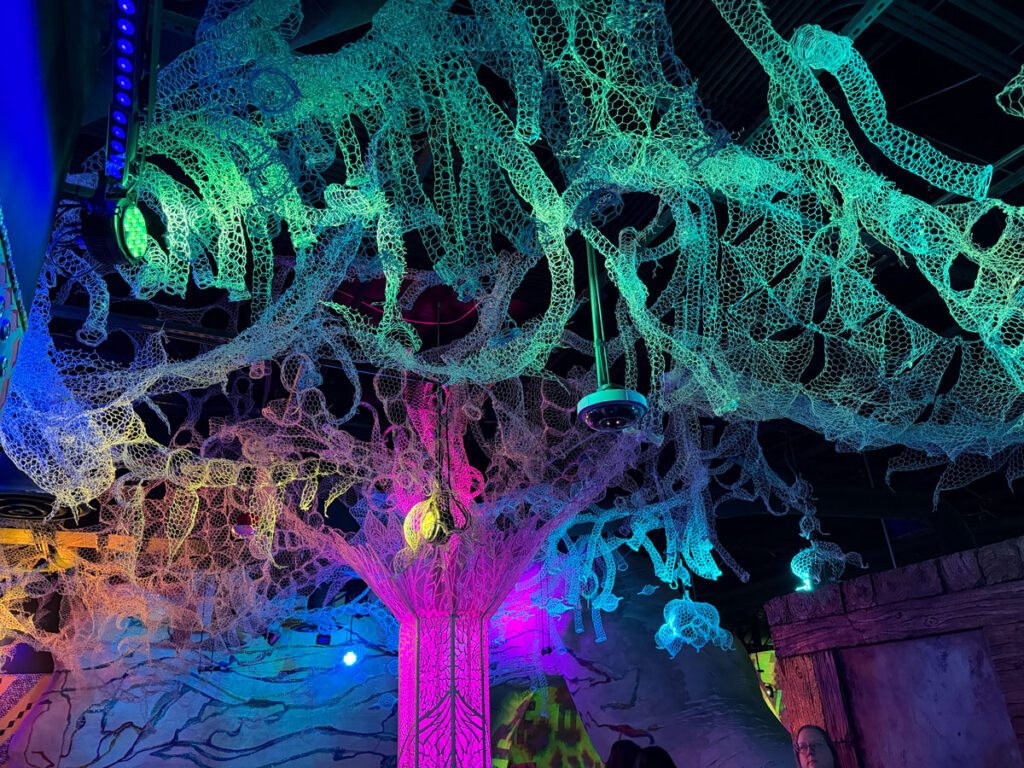
The rest of Area 15 has VR experiences, a trapeze course, and rotating art installations. The Illuminarium inside does full-room projection art that cycles through themes — the Africa safari experience in particular.
The Neon Museum — Las Vegas History You Actually Want to Learn
A few miles north of Downtown, the Neon Museum is where Las Vegas’s retired neon signs go to live out their days. The Stardust. The original Caesars Palace. The Riviera. The Moulin Rouge. Signs that marked decades of the city’s history, now arranged in an outdoor “boneyard” where you walk among them at night while they’re partially lit or projection-mapped for the Brilliant! light show.
The night tour is mandatory. The signs look completely different in daylight versus after dark, when they glow and flicker against the Nevada sky in a way that’s part nostalgia and part genuinely beautiful. $28 for a standard tour, more for the Brilliant! experience. Book ahead — this sells out.
Read more: 10 Sneaky Tricks to Take Stunning Travel Photos with Your Phone (No Fancy Gear Needed)
The Mob Museum — Better Than It Has Any Right to Be
Downtown Las Vegas, inside a former courthouse where actual Mob trials were held, the Mob Museum traces organized crime in America from the Prohibition era through present day. The building itself is part of the exhibit — the actual courtroom where the Kefauver Committee hearings happened in 1950 is preserved intact.
The best part nobody mentions: The Underground in the basement. A real speakeasy and distillery where they make moonshine on-site and serve it across a bar that looks like it was lifted directly from the 1920s. You can take a distillery tour, order cocktails, and sit in a room that feels genuinely transported from another era. $28 entry to the museum. The Underground bar is free to visit after 6pm without museum admission.
The High Roller at the Linq — 550 Feet Above the Strip
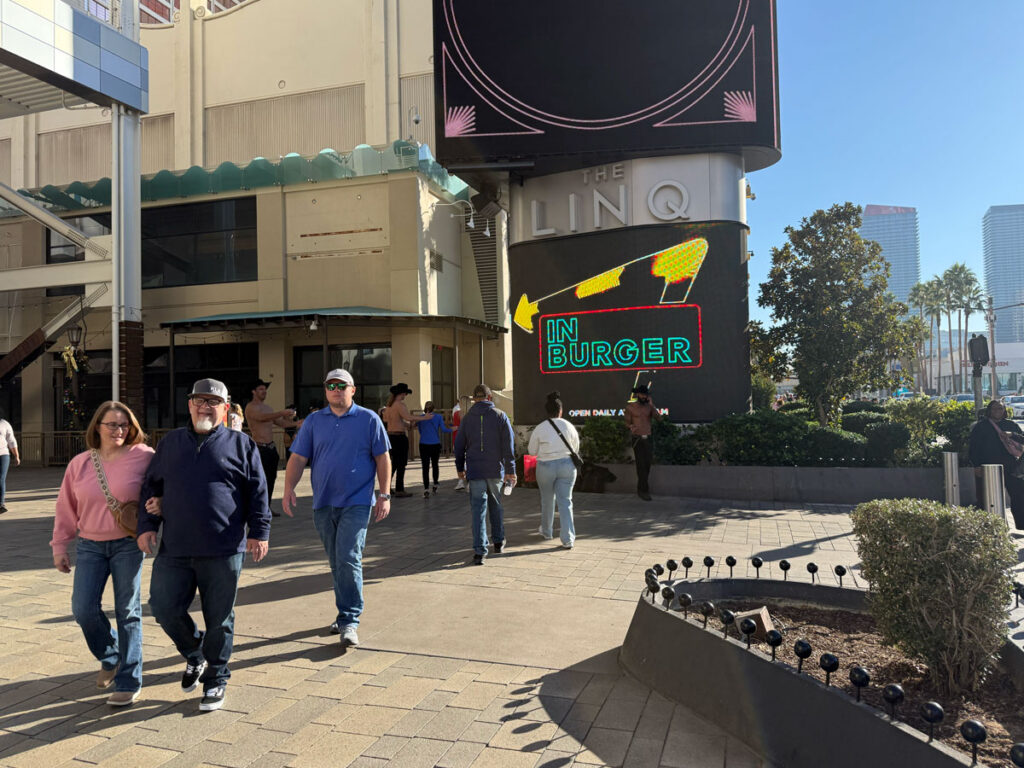
At 550 feet, the High Roller is the tallest observation wheel in North America. One full rotation takes 30 minutes. The cabins are fully enclosed, air-conditioned, and large enough that you’re not pressed against strangers while the city spreads out below you.
The Happy Hour cabins run on select evenings with an open bar included in the ticket price. The math on that is obviously good. Book those ahead.
Tickets: $27–$40 depending on timing.
Read More: Romantic Trip to Las Vegas: 2026 Valentine’s Day Guide
The Bellagio Fountains and Conservatory — Free, and Worth Every Minute of Your Time
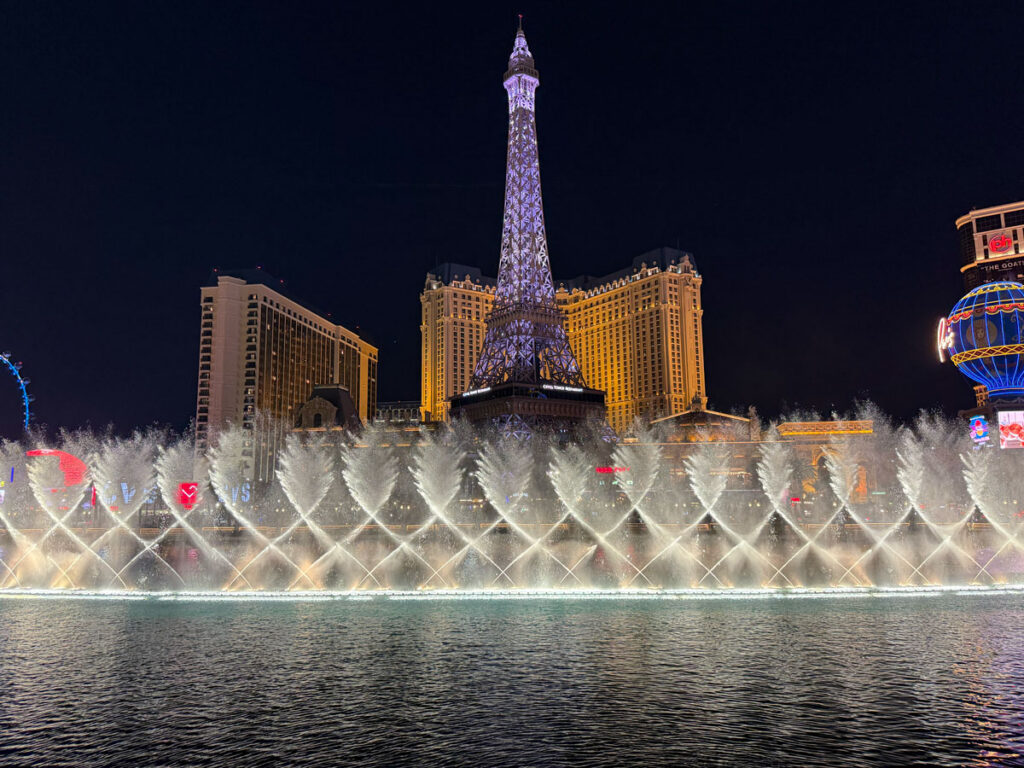
The fountains first, because they deserve the plain statement: this is the best free attraction in the United States. Fourteen hundred nozzles firing water 460 feet in the air, choreographed to music that changes every show, running every 30 minutes from noon and every 15 minutes from 8pm to midnight.
Inside the Bellagio, the Conservatory and Botanical Garden is 14,000 square feet of seasonal floral installation that changes five times a year. The summer installation runs through late August — elaborate botanical sculptures, flowering arrangements, the kind of display you’d pay admission for at a proper botanical garden. Open 24 hours. Free.
The Forum Shops and Grand Canal Shoppes — Shopping That’s Actually Worth Seeing
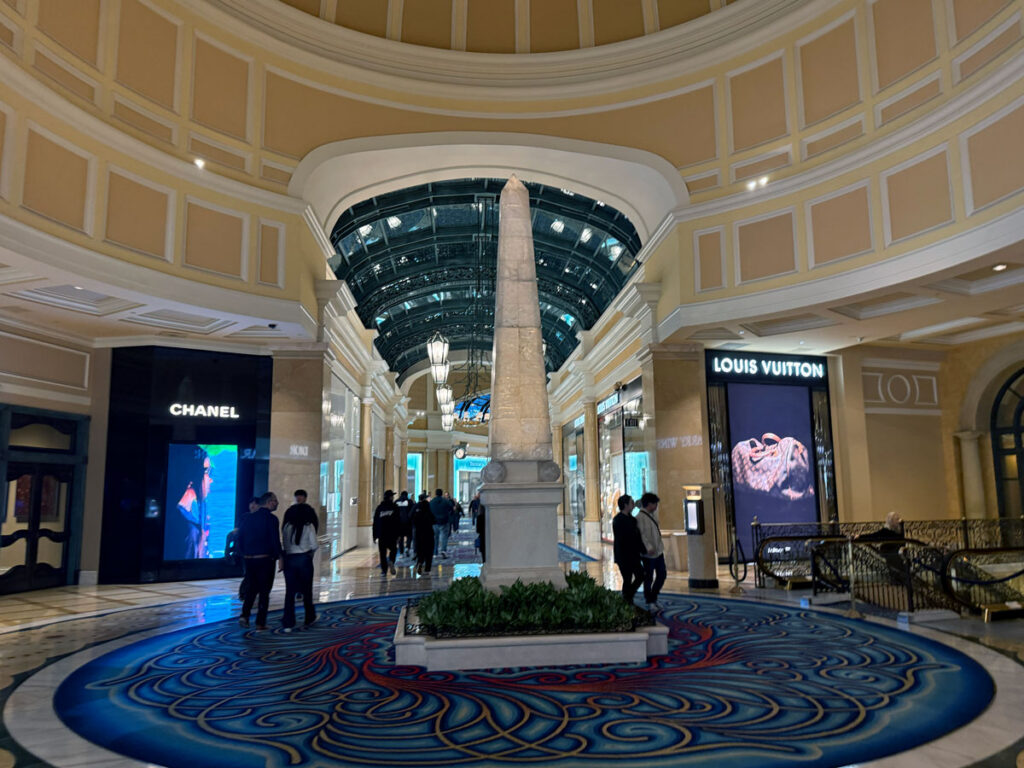
These aren’t just malls. The Forum Shops at Caesars Palace has a painted ceiling that cycles from morning to evening sky over faux Roman architecture, plus a free animatronic show where nine-foot statues fight over a throne using actual fire and water. The Atlantis Show runs several times daily and is one of those things that’s completely absurd and yet people stop and watch every time.
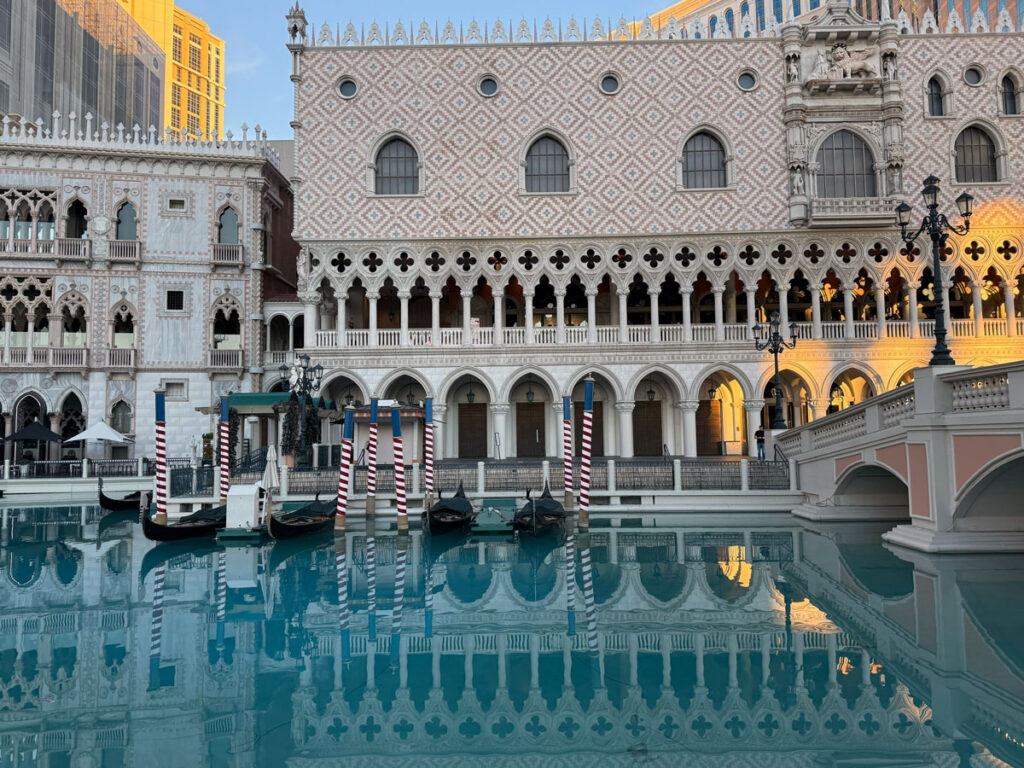
The Grand Canal Shoppes at the Venetian has an actual indoor canal with actual gondoliers. The ceiling is painted to look like Venetian sky. The cobblestone walkways are real. It costs nothing to walk through it and feel briefly like you’re somewhere else entirely.
Dr. Fish Spa — The One Nobody Expects to Like
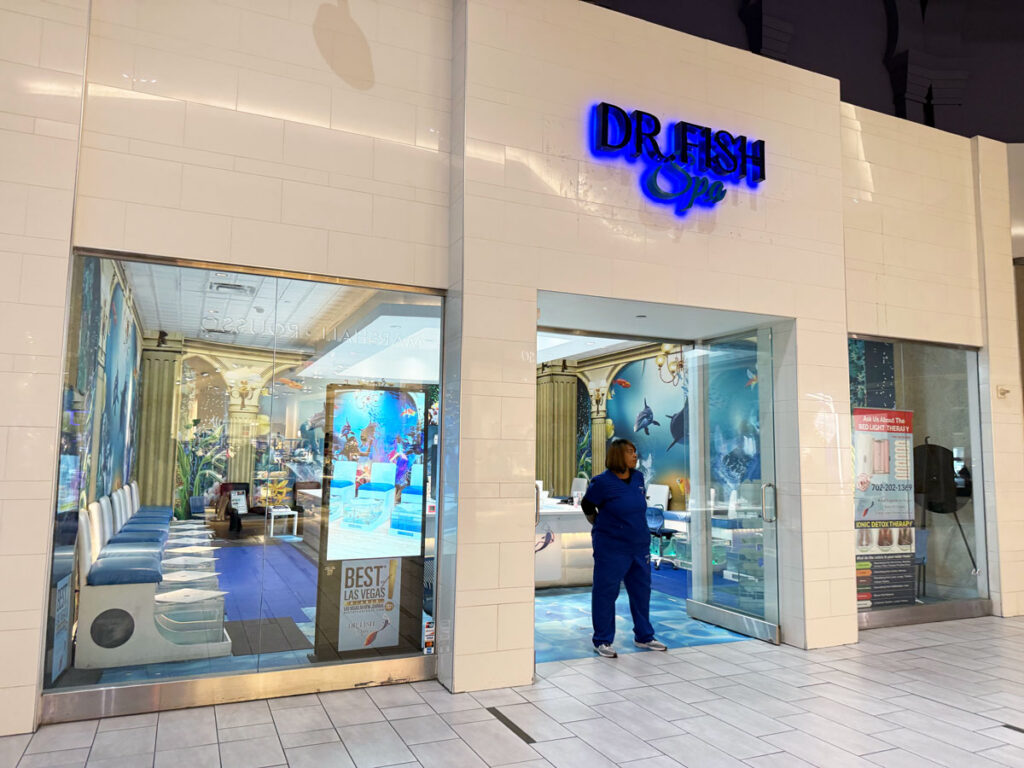
I know. But hear me out.
A fish spa where small Garra rufa fish gently exfoliate your feet is either deeply relaxing or the most uncomfortable thing you’ve ever done, with almost no middle ground. About $25–$35 for 20 minutes. Tucked into the Strip shopping corridor in a way that you walk past it three times before noticing it.
Fremont Street After Dark — The Other Vegas That Actually Hits Different
The Strip is polished. Fremont Street is the raw version.
The Viva Vision LED canopy runs hourly light shows from dusk onward — stadium-quality audio, visuals that fill a four-block canopy overhead, completely free. Live bands on multiple outdoor stages. Street performers ranging from excellent to completely unhinged. The energy is different from the Strip — louder, stranger, more honest about what Las Vegas actually is.
SlotZilla is a zipline that launches from a giant slot machine shape above the street and sends you face-down over the crowds below. Because of course it is.
Golden Gate Hotel at the west end of Fremont has been here since 1906. The shrimp cocktail at the bar for $2.99 is a genuine Las Vegas institution, unchanged since the 1950s. Order one.
Where to Stay for Non-Gamblers
If you’d rather not walk through a casino to get to your room, you have options that the mainstream hotel guides tend to skip.
Vdara Hotel & Spa is the only casino-free property directly on the Strip — all-suite, quiet, adults-oriented, with a pool and spa and none of the slot machine noise. Rates are competitive with comparable Strip properties. Search current deals on Booking.com for flexible cancellation.
Park MGM is the only non-smoking hotel on the Strip. Different vibe from the standard casino resort — calmer common areas, strong pool and restaurant scene.
Where to Eat (Beyond the Casino Restaurant)
The Sphere area: Tacos & Beer on Paradise Road, 10 minutes from the Sphere, does $5 beer-battered avocado tacos and guajillo chile shrimp. Order both.
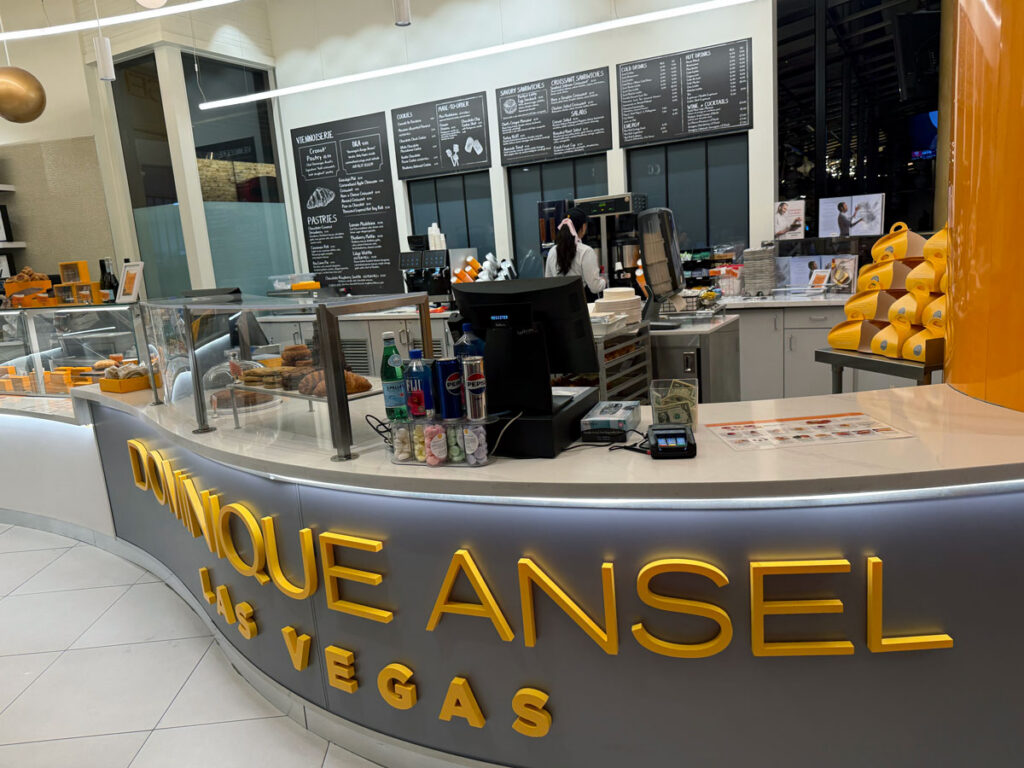
The Strip: Dominique Ansel at Caesars Palace for breakfast or pastry — the Vegas location has things the New York original doesn’t, and it fills up by 9am. Gordon Ramsay’s Hell’s Kitchen at Caesars for the one dinner you’re going to spend real money on.
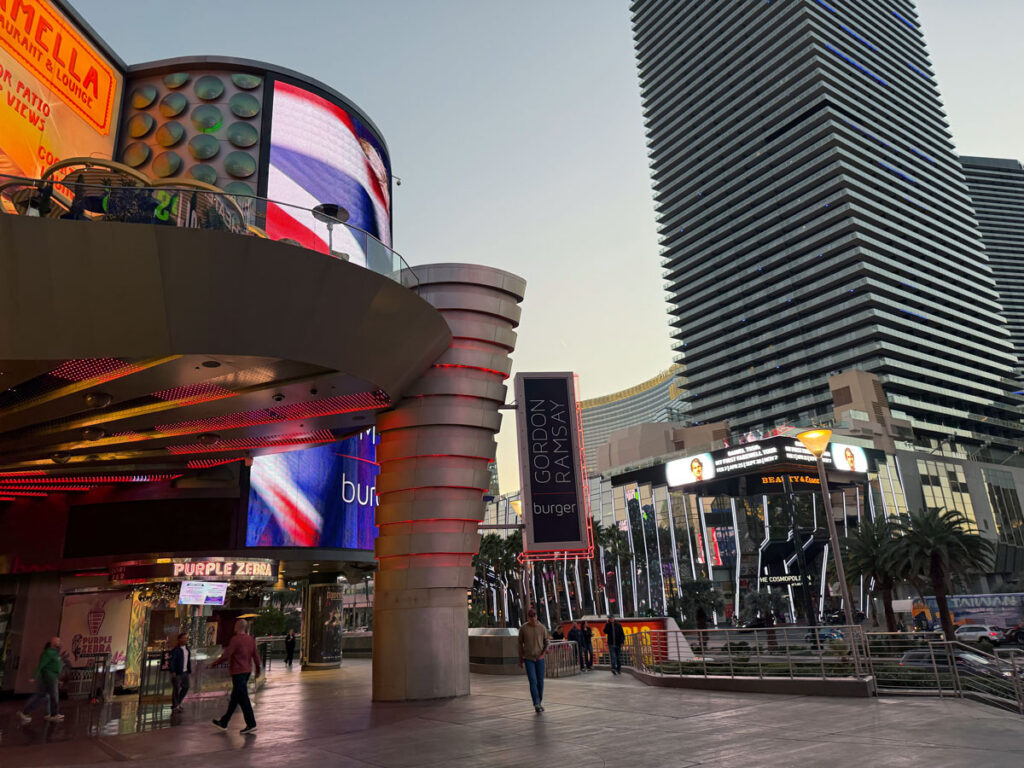
Fremont Street area: Le Thai in Fremont East for dinner when you don’t want to spend much but also don’t want bad food. The short rib fried rice has become locally famous. Evel Pie for New York-style pizza by the slice, decorated with Evel Knievel memorabilia, which is the exact Las Vegas sentence that it is.
How to Get There and Get Around
Harry Reid International Airport is 5 miles from the Strip. Rideshare runs $15–$25 to most hotels. Pickup is Level 2 of the parking garage — follow the signs or you’ll end up in the taxi line.
The Las Vegas Monorail runs the Strip from MGM Grand to the north end for $6 a ride and saves you from walking the full 4.2-mile boulevard in summer heat. Free trams connect Mandalay Bay to Luxor to Excalibur on the south end. Between those systems you can cover most of the Strip without calling an Uber.
For Red Rock Canyon and Area 15, you need a car or rideshare — both are about $15–$20 from the Strip.
Bundle your flight and hotel on Expedia before you book anything separately. Vegas packages start around $247 for a weekend and typically beat booking both individually by $150–$200.
The version of Las Vegas that exists beyond the casino floor is genuinely one of the most interesting collections of experiences in the country. The Sphere alone would be worth a trip. Add the canyon, the neon boneyard, the fake grocery store from another dimension, and the best free fountain show in the world — and you have a city that has nothing to prove to anyone.
The slot machines are right where you left them whenever you want them. The rest of this is waiting.