
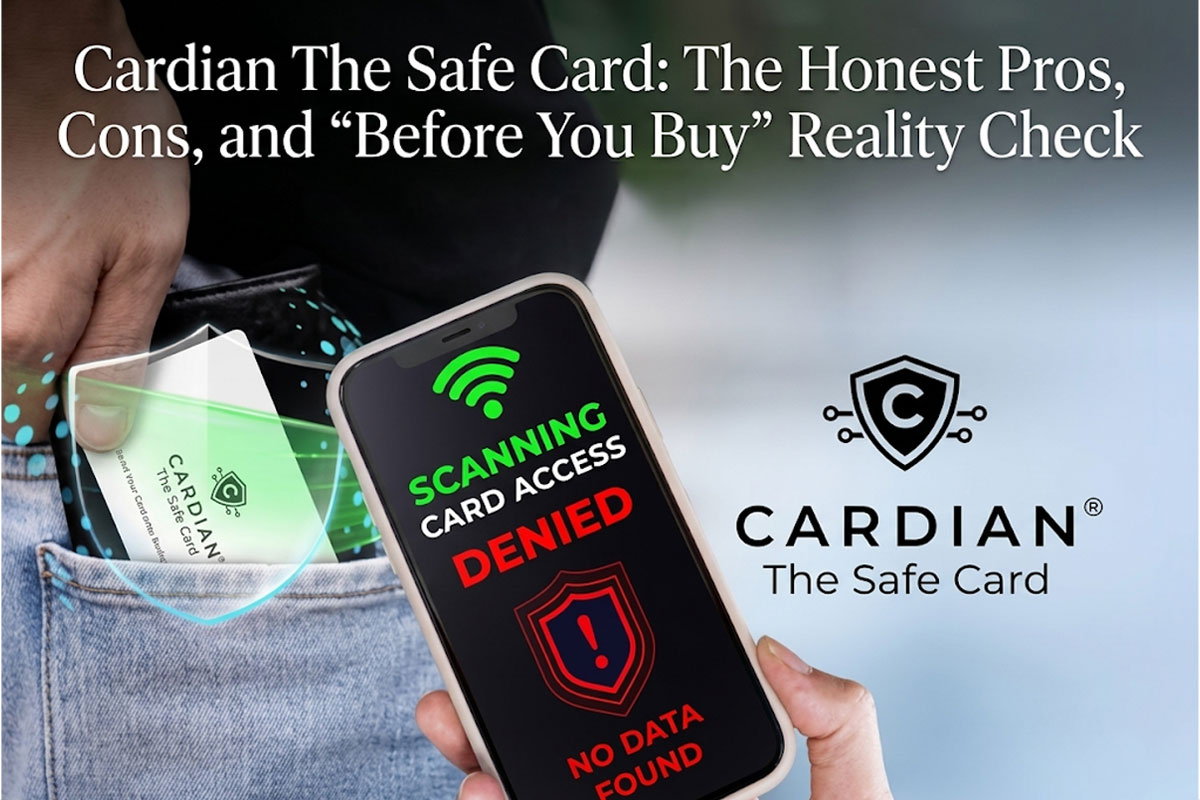
The internet is full of either breathless five-star praise or flat-out dismissal of RFID blockers. The reality, as usual, lives somewhere in between — and it matters which side you land on before spending your money.
Somewhere between “your credit card is being silently drained at this very moment” and “RFID theft is a complete myth invented to sell wallets” lies the actual truth about contactless card security — and it’s more nuanced than either camp wants to admit. The Cardian Safe Card sits right at the center of this debate: a slim, no-setup RFID and NFC blocking card that slips into your wallet and promises 24/7 invisible protection. So is it worth buying? The honest answer requires understanding not just the product, but the threat it’s defending against.
First, Let’s Talk About the Threat — Because This Changes Everything
Before evaluating whether Cardian The Safe Card is worth buying, you deserve to know what the security research actually says about RFID skimming. And here’s where things get interesting — and a little uncomfortable for the RFID-blocking industry.
RFID skimming is technically possible. Whether it’s practically common is a genuinely different question. Security experts at KnowBe4, IDX, and Digital Trends have been fairly blunt about this: there has still not been a single documented real-world crime that an RFID-blocking product would have stopped. Meanwhile, Wikipedia notes that the prevalence of RFID skimming has been disputed, with no statistics available to determine its actual frequency, since it’s difficult to isolate the method behind any given card fraud case.
The reason the threat is smaller than the marketing suggests comes down to encryption. Visa itself notes that its contactless transactions generate a one-time, transaction-specific code — making it difficult to use skimmed cardholder information for fraudulent purchases.
But wait — it’s not zero risk either
The threat is not zero. Large-scale theft through RFID skimming is less widespread than some urban legends suggest, but older access badges, legacy hotel cards, and non-EMV documents without encryption remain more vulnerable to unauthorized reads. Passports, transit cards, and employer access badges often carry more persistent data than modern credit cards. RFID skimming is where a device is used to intercept radio frequency signals and steal payment information — this can include anything with an RFID chip, not just credit cards.
Where does this leave you? While the risk of RFID skimming is relatively low compared to phishing attacks and data breaches, card skimming attacks are a real threat despite the security protocols built into contactless payment systems. Think of RFID protection the way you think about a bike lock: it won’t stop a determined professional, but it deters the opportunist and costs nothing in terms of convenience. That calculus — low friction, modest but real protection, peace of mind — is exactly where the Cardian Safe Card lives.
What Is the Cardian The Safe Card, Exactly?
Cardian The Safe Card is a passive security solution that requires no batteries or apps — a credit card-sized device that fits into any wallet and silently shields nearby cards from unauthorized scans. The core technology is straightforward: a shielding material inside the card disrupts electromagnetic signals at the 13.56 MHz frequency used by most modern RFID and NFC systems. Place it in your wallet, forget it’s there, and it works around the clock.
The specs that matter for daily use: at just 1.1mm thick, it slides into any wallet or purse without adding bulk, and it’s waterproof and tear-proof. The manufacturer claims a protective barrier of up to 5cm around your cards, covering all RFID-enabled items in the wallet rather than requiring individual sleeves for each card.
Unlike bulky RFID-blocking wallets, Cardian The Safe Card is designed to be slim, lightweight, and durable, allowing users to keep their existing wallets while adding a security layer. That last part is the real selling point for most buyers — you don’t need a new wallet, a new bag, or a new routine. You just add the card.
Pros and Cons: The Full Picture
✅ What works:
- Genuinely zero setup — place in wallet, done
- 1.1mm thin — no added bulk in any wallet
- No batteries, no charging, no apps
- Protects all wallet cards at once, not one-by-one
- Also covers passports, transit cards, ID badges
- Waterproof and tear-proof construction
- 30-day money-back guarantee
- Useful for frequent travelers in high-traffic environments
⚠️ What to watch for:
- Performance may vary by wallet material and position
- Only available direct from official website
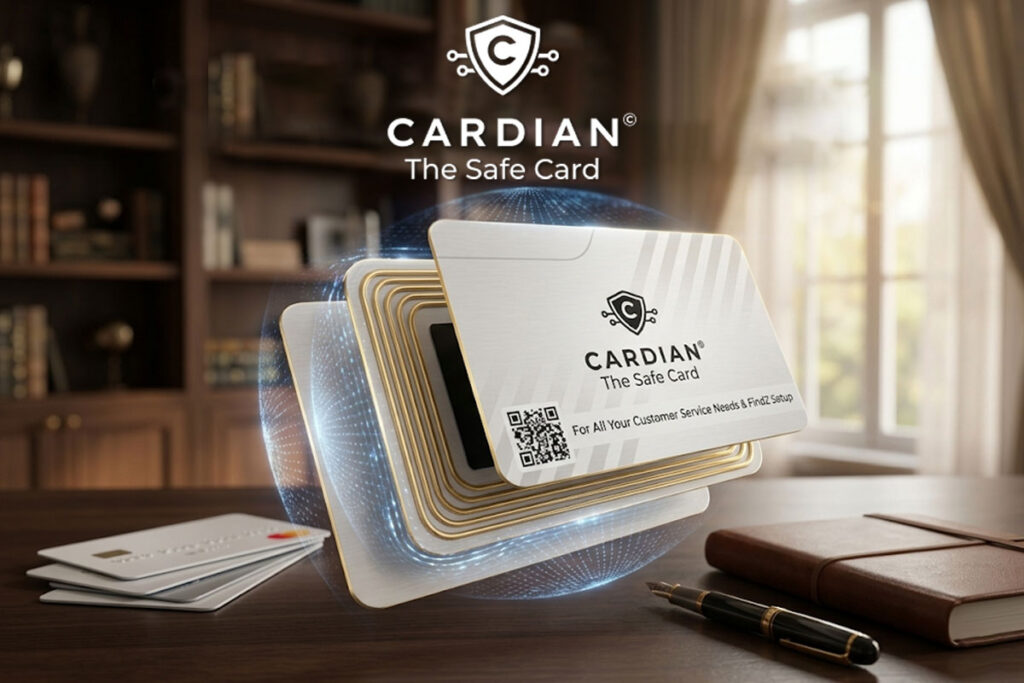
Cardian’s current sale knocks up to 57% off select bundles — and you can stack an additional 10% discount using a coupon code at checkout. If you’re picking up a couple for the household or topping up for travel season, right now is genuinely the best window to do it.
How It Compares to Other Wallet Protection Options
| PROTECTION TYPE | COVERS ALL CARDS | KEEP YOUR WALLET | NO MAINTENANCE | RELATIVE COST |
|---|---|---|---|---|
| Cardian Safe Card | ✓ Yes | ✓ Yes | ✓ Yes | Moderate |
| RFID-blocking wallet (new) | ✓ Yes | ✗ Replaces wallet | ✓ Yes | Higher |
| Individual card sleeves | ✗ One at a time | ✓ Yes | ✓ Yes | Lower |
| Aluminum foil (DIY) | ⚡ Sort of | ✓ Yes | ✗ Wears out quickly | Near zero |
| Nothing (bank fraud protection) | N/A | ✓ Yes | ✓ Yes | Free |
Who Actually Needs This — and Who Probably Doesn’t
- Frequent Travelers
Airports, train stations, and tourist areas are the highest-risk environments for any form of skimming. A no-setup, passive blocker that travels with your wallet makes real sense here.
- Office Badge Holders
Many employer access cards and hotel room keys use older, unencrypted RFID — making them more vulnerable than modern payment cards. Protecting these is a legitimate use case.
- Passport Carriers
While biometric passports have built-in shielding when closed, a blocker adds a layer of redundancy in busy environments and protects other documents in the same travel pouch.
- Peace-of-Mind Buyers
If knowing you have a layer of protection helps you move through the world with less background anxiety about digital threats, that’s a perfectly valid reason to own one.
Who probably doesn’t need it
If you stay mostly in low-traffic environments, carry only modern EMV credit cards with chip encryption, and your bank already covers fraudulent charges — you are, statistically speaking, very unlikely to fall victim to RFID skimming. The bigger risks to your financial data are phishing emails, data breaches at merchants you shop with, and account takeover scams, none of which an RFID card helps with.
Cardian The Safe Card is a legitimately functional product in a category that’s frequently oversold. It does what it says: creates a passive electromagnetic barrier that disrupts RFID and NFC scanning signals. The 1.1mm thin design means no wallet modifications required, and the no-battery, no-setup approach means no maintenance.
If you’re buying it for peace of mind in crowded environments, for travel, to protect older access cards and passports, or simply because a passive layer of protection costs nothing in effort — it’s a reasonable purchase at the bundle pricing tiers. Just go in with honest expectations, and don’t skip the 30-day return window if it doesn’t feel right.
Leave a Reply