
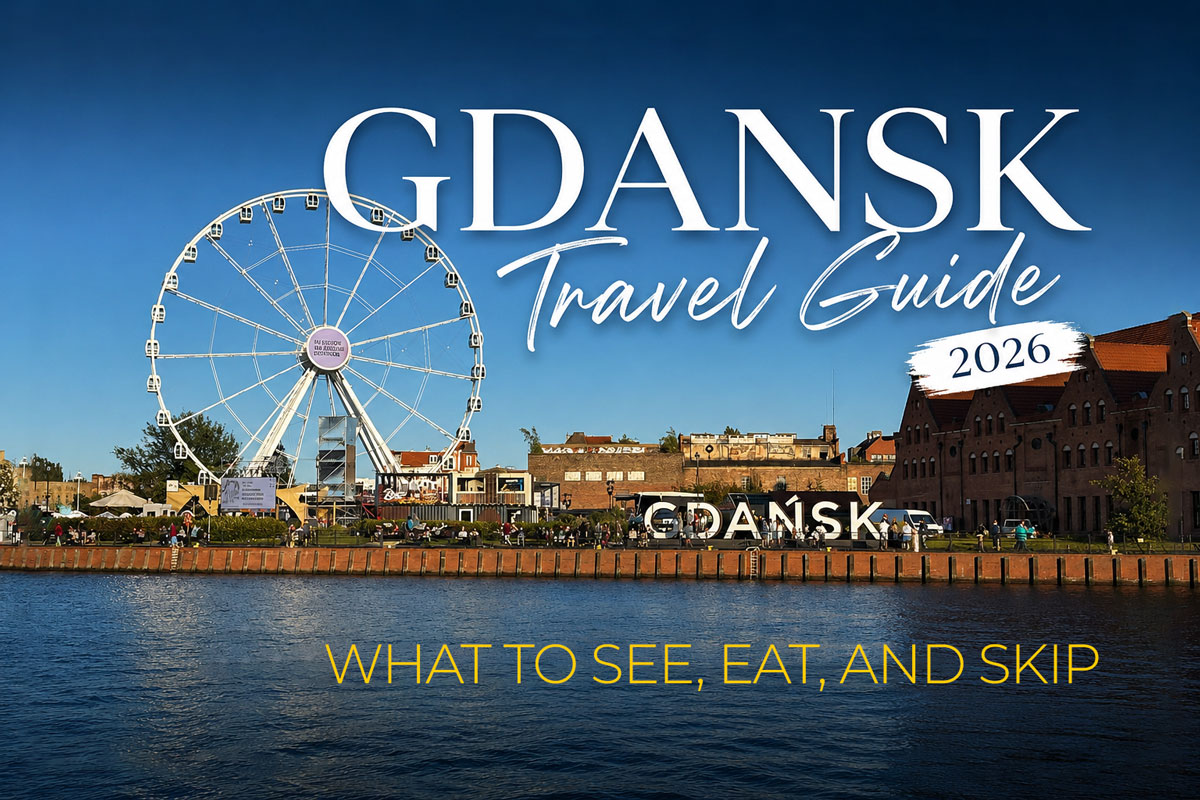
Gdańsk doesn’t get the same automatic name recognition as Kraków or Warsaw, and that’s honestly part of why it’s worth going. It’s a city that was almost entirely destroyed in 1945 and rebuilt from photographs and paintings, brick by brick, into something that looks medieval but is, in the most literal sense, a 20th-century act of stubbornness. It’s also where World War II began, where the Solidarity movement started, and where the Baltic’s amber trade has centered for centuries. Here’s what to actually do with your time, what to eat, and what’s fine to skip.
Quick Facts: Gdansk 2026
CURRENCY: Polish złoty (PLN) — roughly 4 PLN to $1 USD
BEST TIME TO VISIT: May–September for warm weather; expect crowds in July–August
GETTING AROUND: Walkable Old Town; SKM trains connect Gdańsk, Sopot, and Gdynia
AIRPORT: Lech Wałęsa Airport (GDN), about 15 km from the center
TIPPING: Not required, but 10% is appreciated at sit-down restaurants
DAYS NEEDED: 2–3 full days for the Old Town and waterfront; add a day for Sopot or Malbork Castle
Getting There and Around
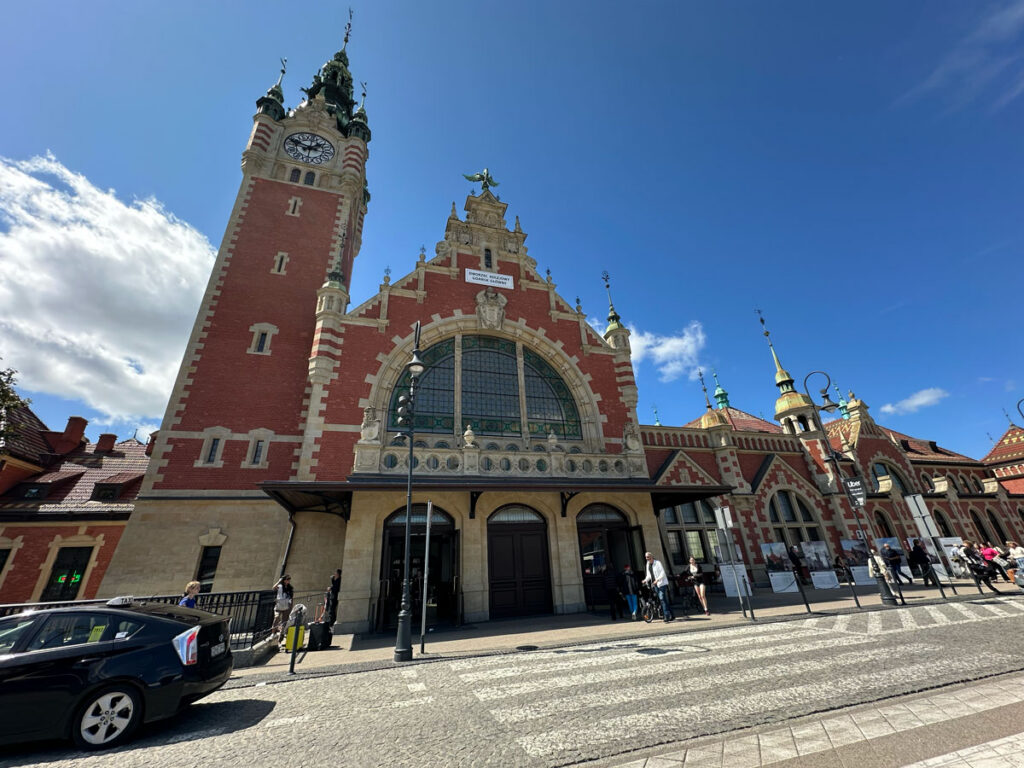
Most visitors arrive either by air into Lech Wałęsa Airport or by train into Gdańsk Główny, the city’s main railway station — and the station alone is worth a slow look before you even leave the building. Completed in 1900 in what’s known as the “Danzig Renaissance” style, it’s a brick, turreted, almost fairytale-looking building with a tall clock tower, and it survived being set on fire in 1945 before being rebuilt. It was fully renovated again in 2023, so the historic shell now comes with modern amenities, luggage storage, and free Wi-Fi. One genuinely strange fact: a Japanese businessman was so taken with a photograph of the station that he built an exact replica of it in Imari, Japan, in 1984 — it now operates as a wedding venue.
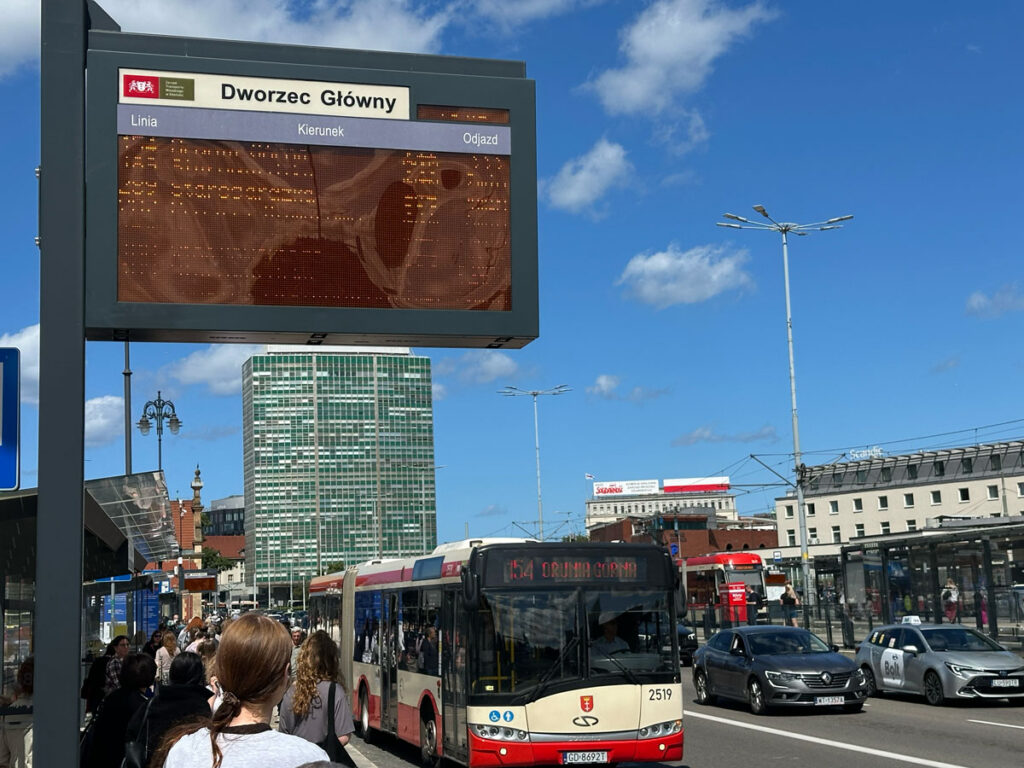
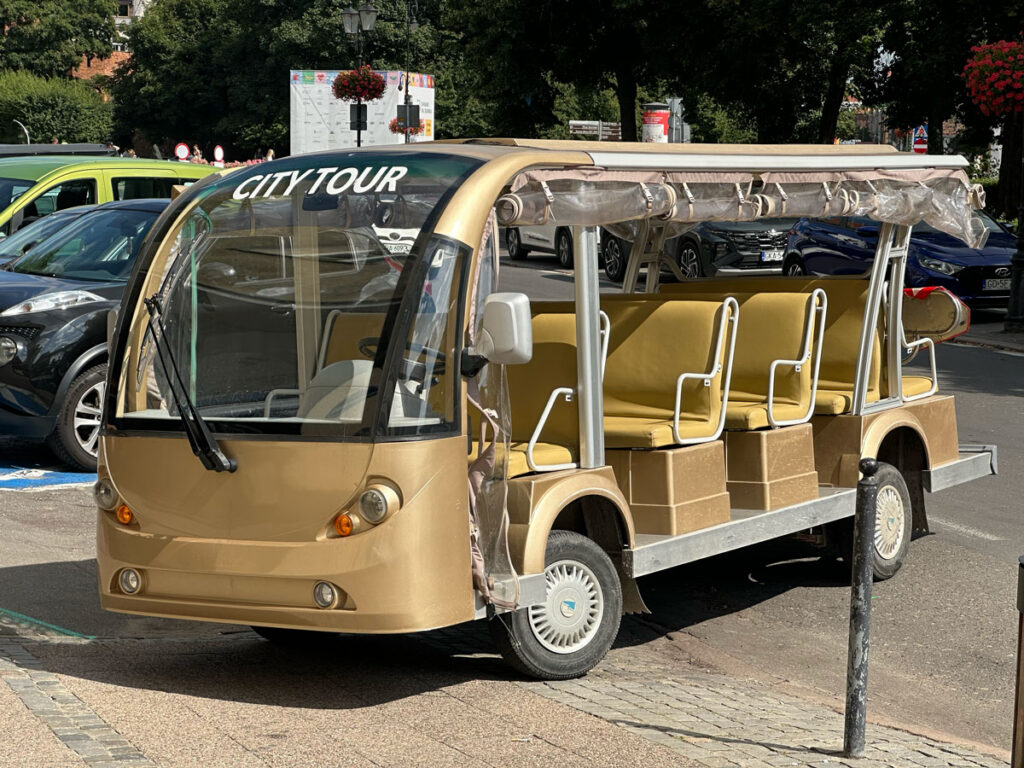
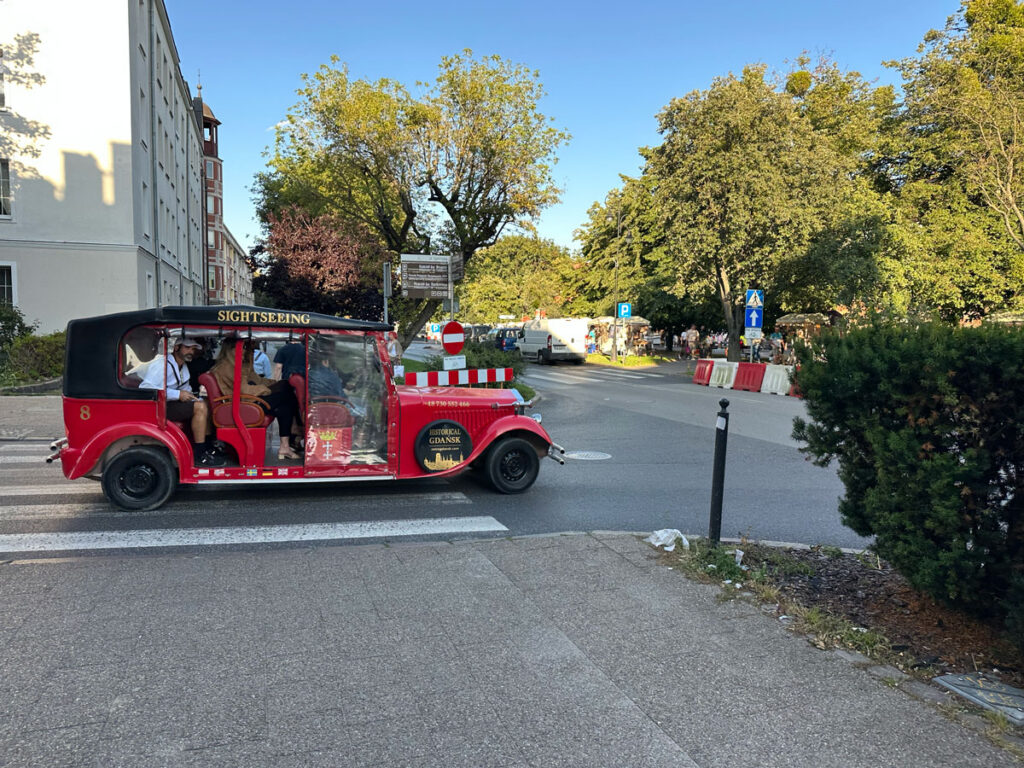
From the station, the Old Town is a 10-minute walk. Once you’re there, you genuinely don’t need much transport — the historic core is compact and best covered on foot. For a faster overview, several companies run electric golf-cart and vintage-style “sightseeing car” tours through the Old Town, generally lasting a couple of hours and covering more ground than a walking tour without the commitment of a full bus tour.
If you’re combining Gdańsk with Sopot or Gdynia — together known as the Tri-City — the SKM commuter train is the move. It’s fast, cheap, and runs frequently between all three.
The Old Town Essentials
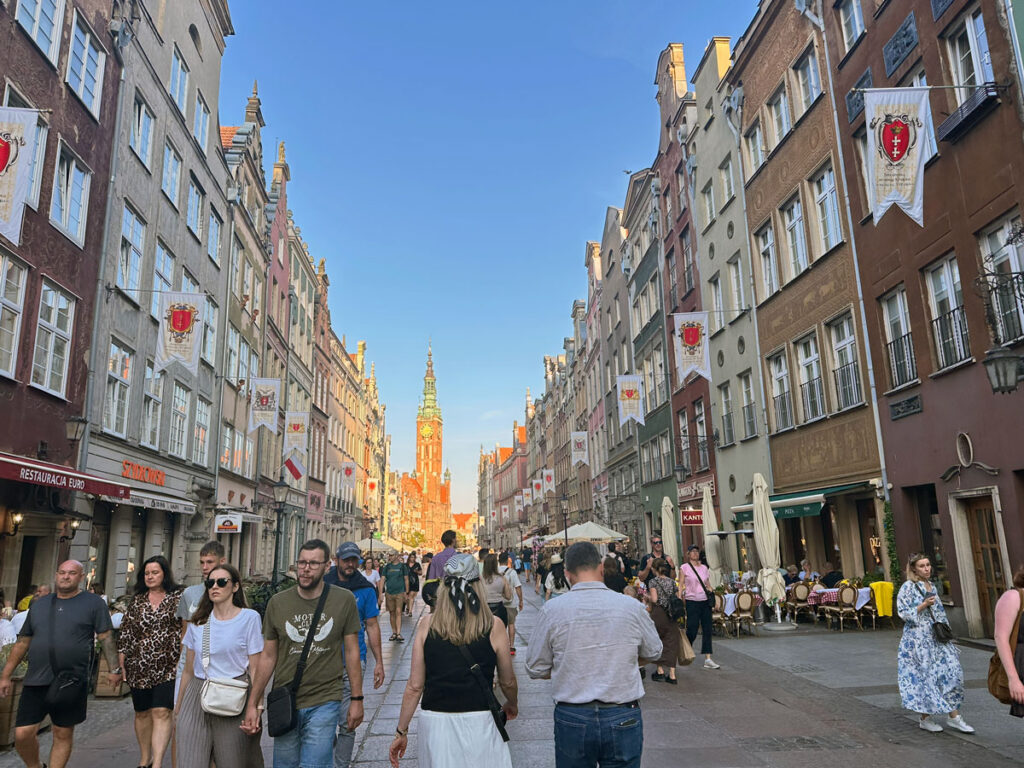
Ulica Długa (Long Street) flows directly into Długi Targ (the Long Market), and together they form the postcard heart of Gdańsk — pastel merchant houses with ornate facades, the Main Town Hall’s tower rising above the rooftops, and enough restaurant terraces that you’ll never struggle to find a seat.
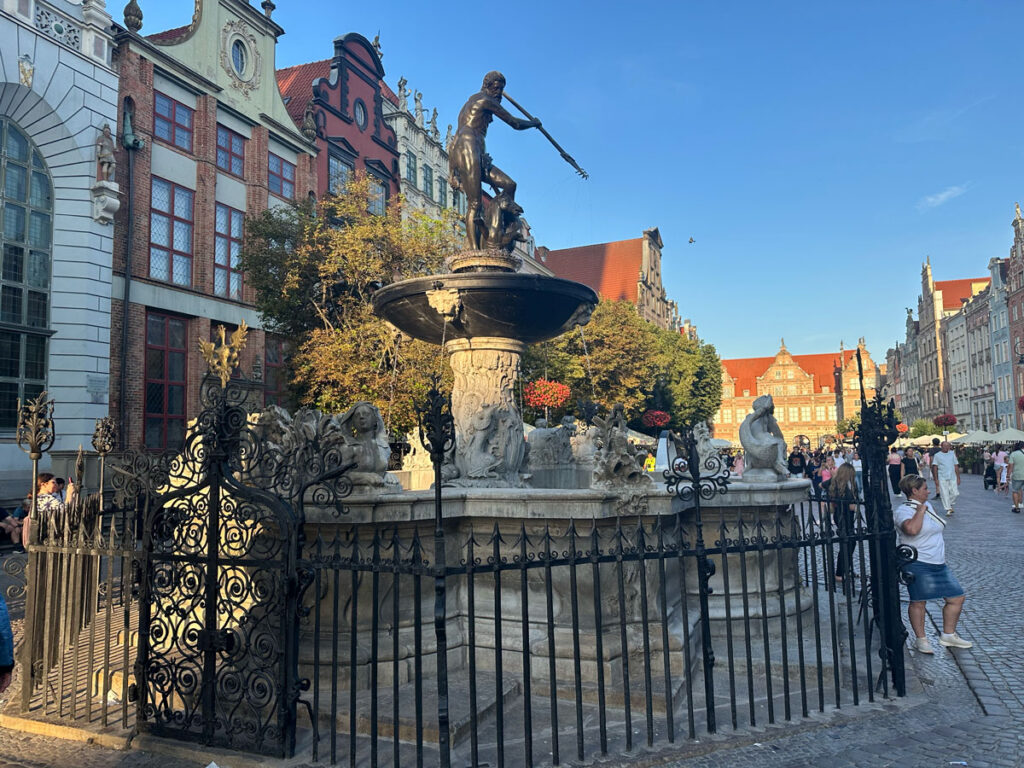
At the center of Długi Targ sits Neptune’s Fountain, arguably Gdańsk’s single most photographed landmark. It was designed by sculptor Abraham van den Blok and unveiled in the early 17th century — a bronze Neptune holding a trident above a Baroque base decorated with sea creatures, symbolizing the city’s identity as a Baltic trading port. During World War II, the statue was secretly removed for safekeeping and returned to its original spot afterward, which locals treat as a small symbol of the city’s own postwar rebuilding.
Read more: One Day at Malbork Castle The Day Trip From Gdansk
TIP
St. Mary’s Basilica, just off the main square, is free to enter for the main hall, and it’s one of the largest brick churches in the world. Paying the small fee to climb the tower (roughly 20 PLN / $5) is worth it — but be ready for around 400 narrow steps.
On the Water: The Motława Waterfront
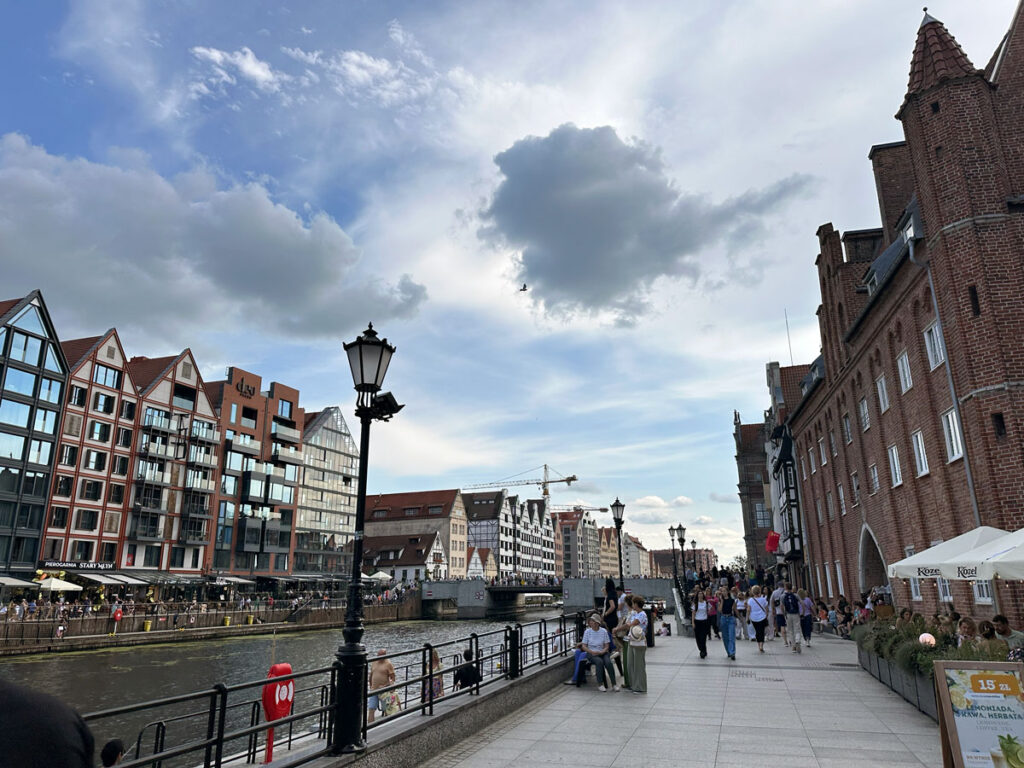
The Motława River is where Gdańsk’s maritime identity actually shows up in physical form. The riverside promenade, Długie Pobrzeże, runs past cafés, amber stalls, and a genuine cluster of maritime history.
The single most recognizable structure here is the Gdańsk Crane (Żuraw), a medieval port crane first built around 1442–1444 and rebuilt after both a historic fire and WWII damage, based on the original drawings. It’s the largest surviving medieval port crane in Europe, and inside, two enormous wooden treadwheels once let two men lift up to two tonnes of cargo, high enough to step masts into docked ships. It’s now part of the National Maritime Museum and open for a small entry fee.
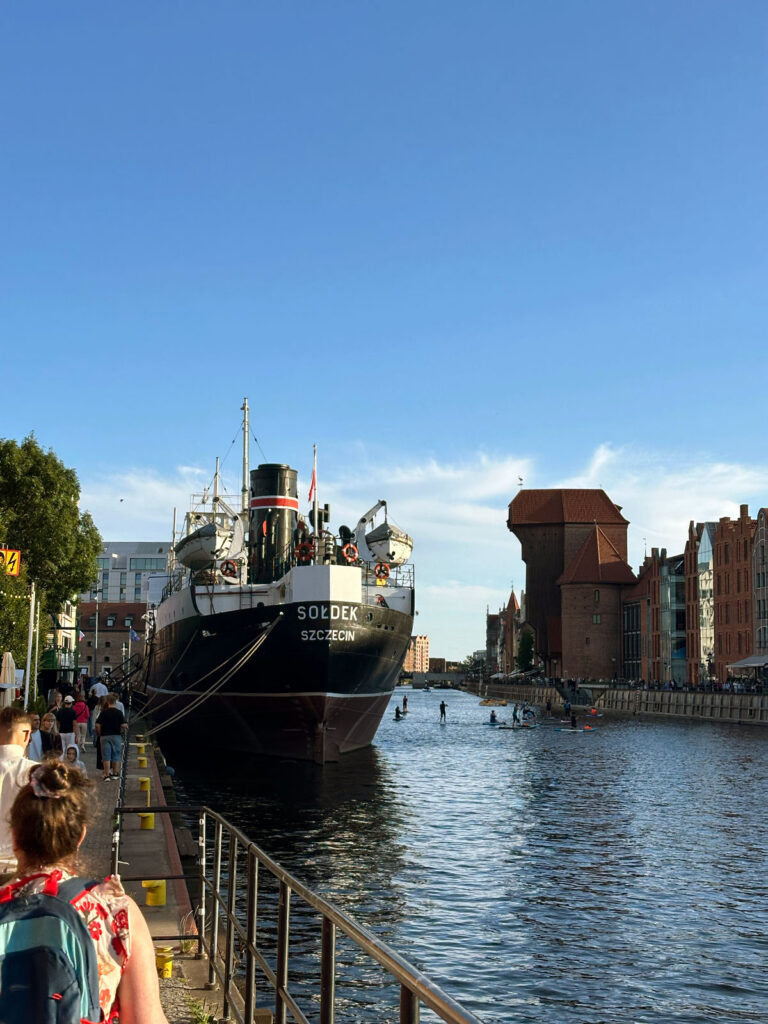
Directly across the river sits the SS Sołdek, a retired coal and ore freighter that holds a specific distinction: it was the first seagoing ship built entirely in Poland after World War II, launched in 1948 and named after a real shipyard worker, Stanisław Sołdek — with his wife christening the ship, an unusual choice at the time since it honored someone still living. It carried around 3.5 million tonnes of cargo before being decommissioned in 1980 and turned into a floating museum.
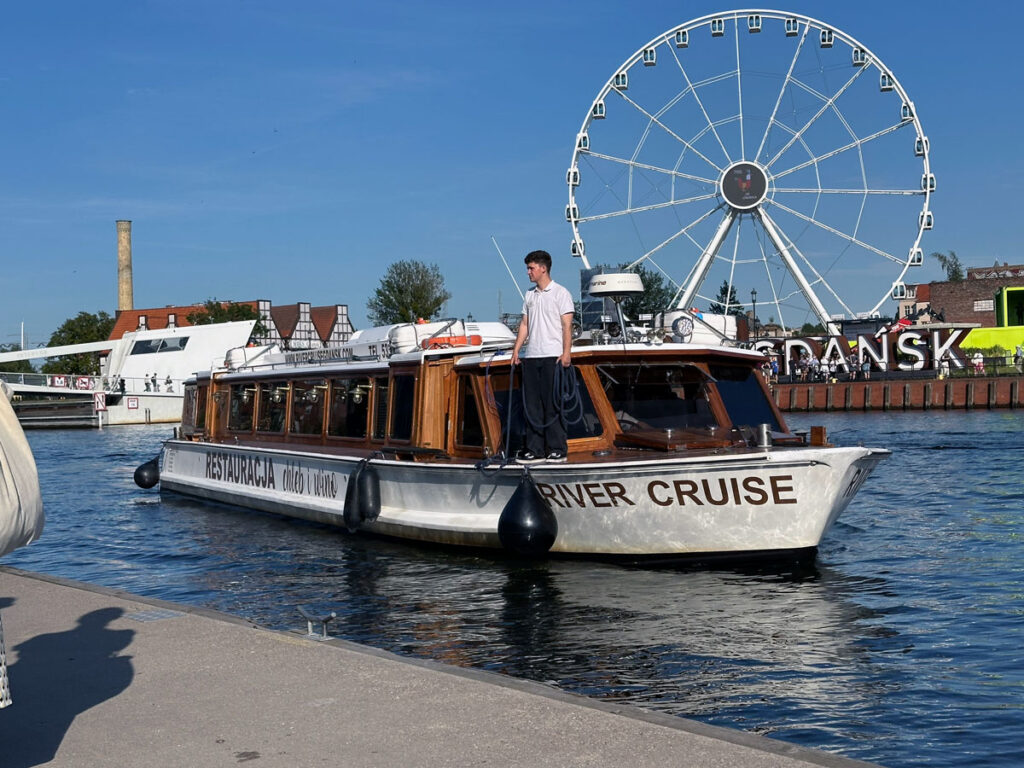
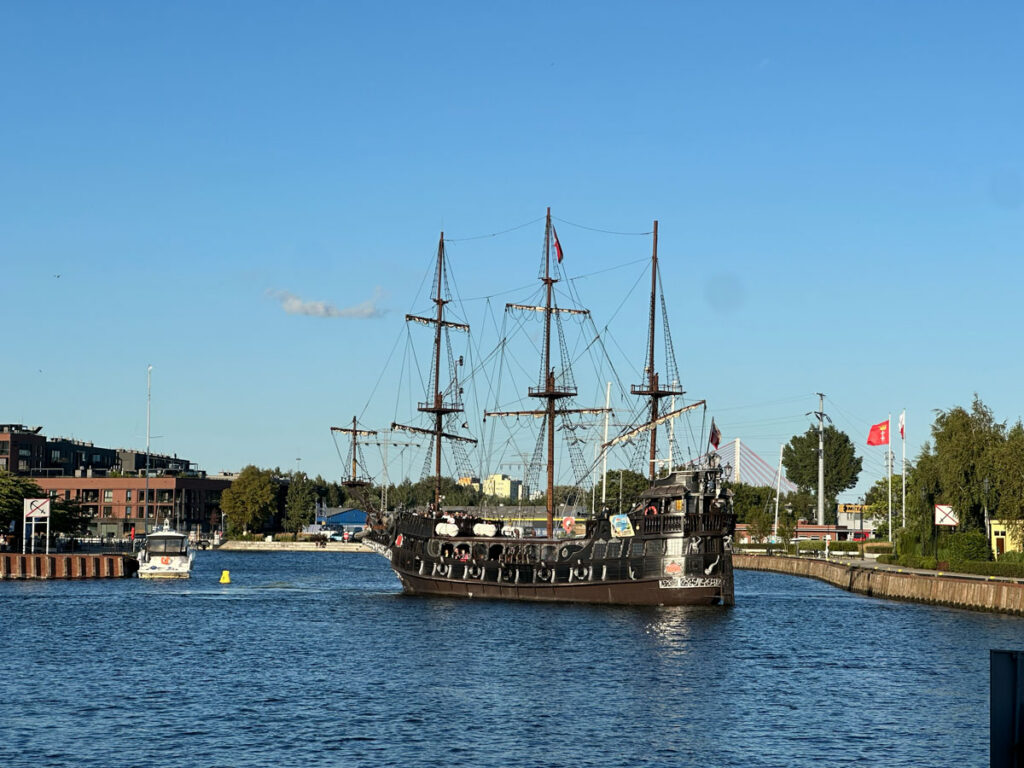
For getting out onto the water itself, two very different boats compete for your attention. Traditional river cruises run short, relaxed loops past the Crane and the Old Town skyline, some even pairing the ride with a pierogi tasting on board. Then there’s the far more theatrical option: a full-rigged pirate ship that runs longer cruises out toward Westerplatte, the site where WWII began, complete with drinks on board.
Read more: My Ljubljana River Cruise Experience
Amber: What to Know Before You Buy
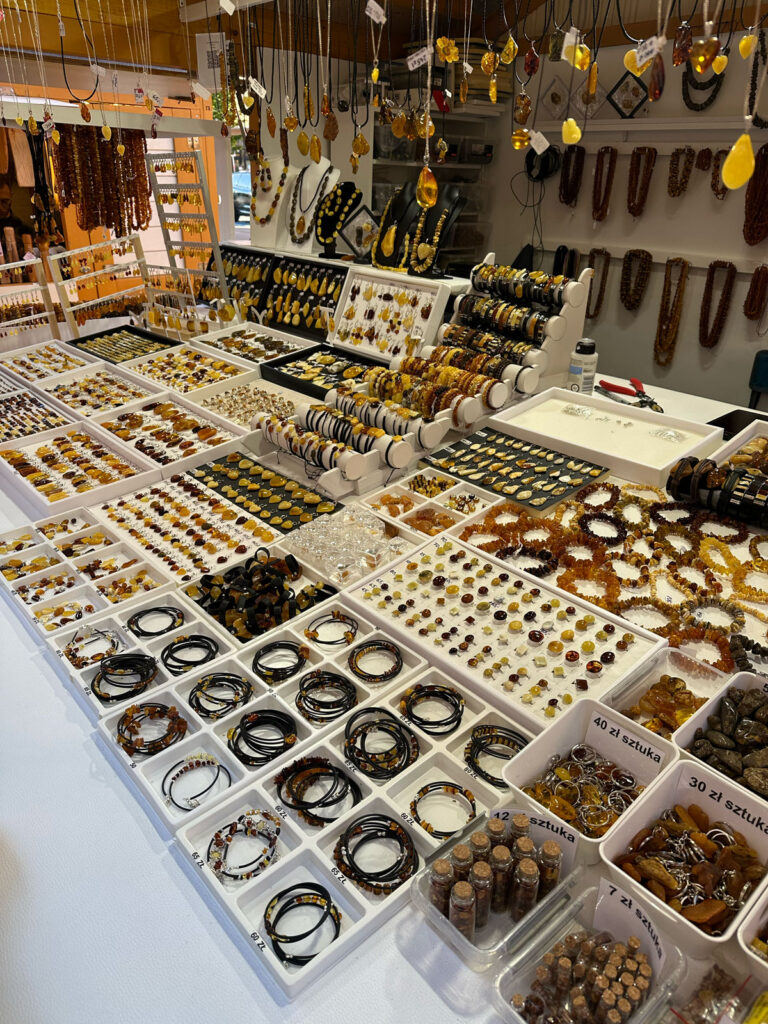
Gdańsk has been called the world capital of amber, and it’s not an exaggeration — this fossilized tree resin, sometimes tens of millions of years old, has been traded out of this stretch of the Baltic coast since ancient times, prized by Greeks, Romans, and Vikings alike. Most of the world’s amber supply still comes from this region, and Mariacka Street in particular is lined with amber shops and stalls selling everything from small pendants to elaborate silver-set necklaces.
HONEST TAKE
Amber prices vary enormously by piece, clarity, and setting — small polished pieces and simple bracelets are genuinely affordable, while larger, clearer stones in silver settings climb quickly. Compare a few stalls before committing to a bigger purchase, since quality and pricing aren’t standardized across vendors.
Read more: Buying Baltic Amber in Gdańsk: Everything You Need to Know
Where to Eat
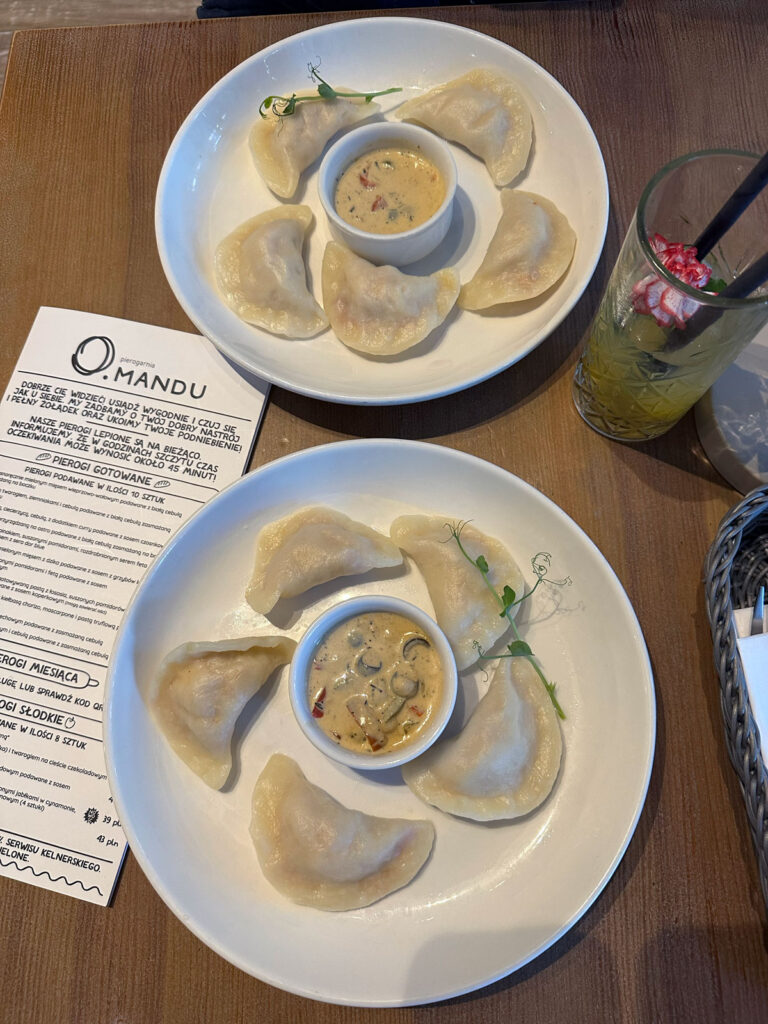
Pierogi are the obvious answer, and there’s no shortage of places to get them — from casual milk bars serving subsidized, no-frills Polish comfort food, to sit-down spots plating them with a bit more polish, mushroom cream sauce and all.
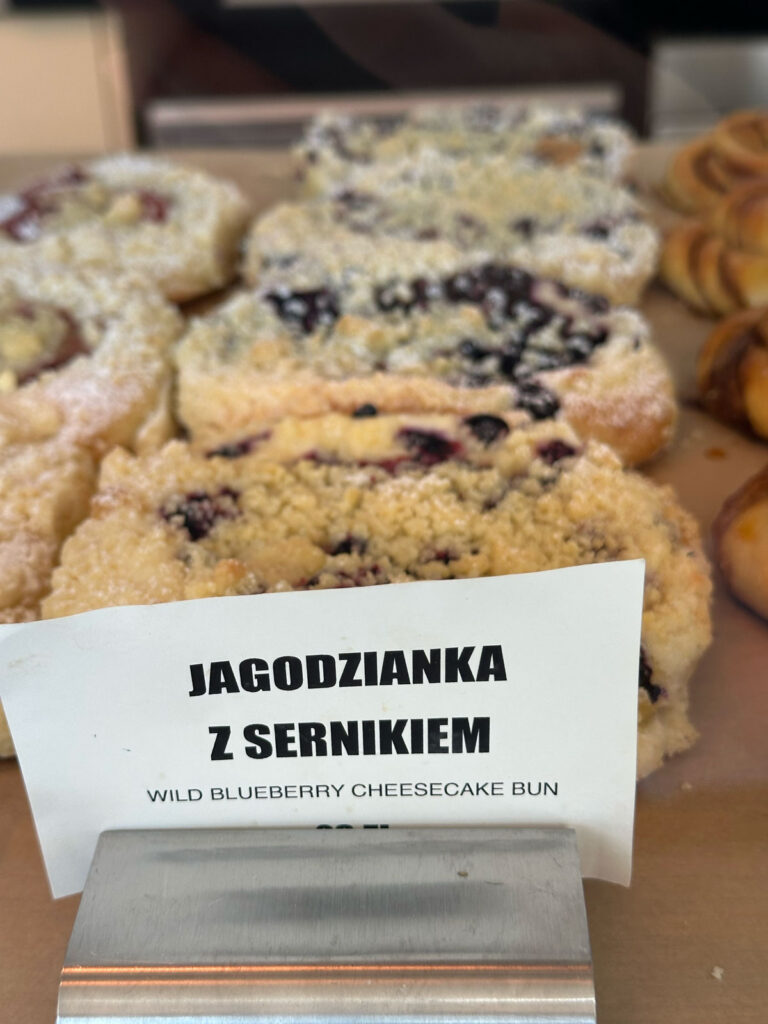
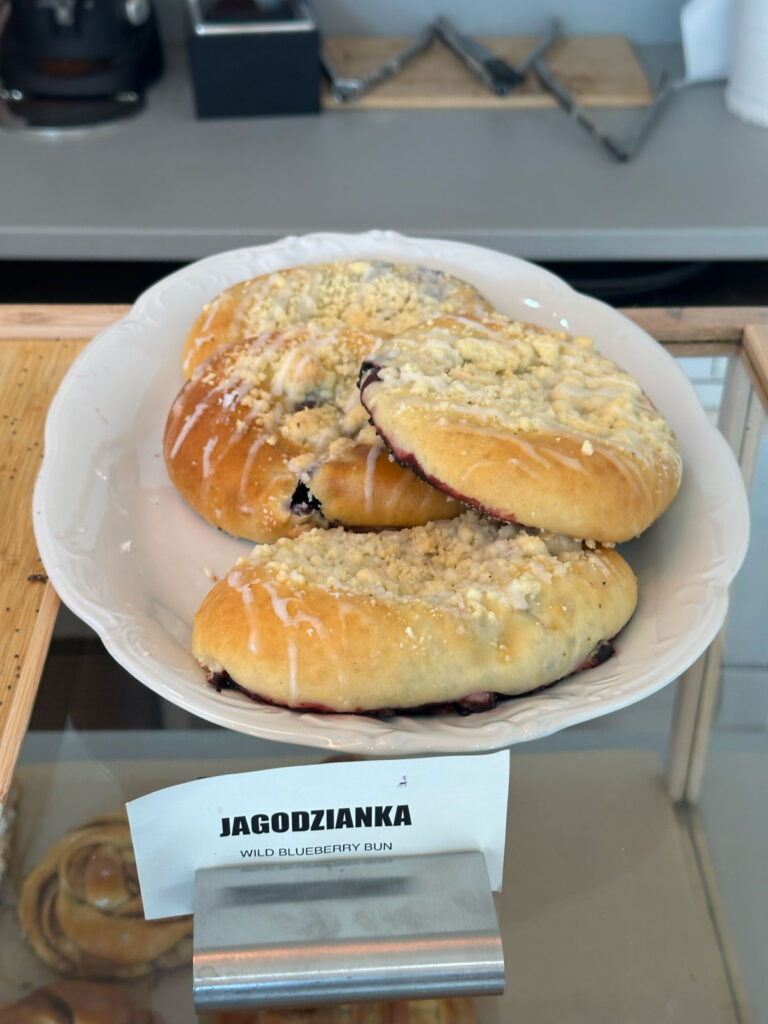
If you’re visiting in summer, look for jagodzianka — a soft yeasted bun stuffed with wild blueberries, topped with either a sweet crumble, icing, or both, depending on who you ask about the “correct” version. It’s a genuinely seasonal food: wild blueberry season in Poland runs roughly from late June through September, so a jagodzianka in October just isn’t the same thing made with frozen fruit. Some bakeries riff on the format further, layering in a cheesecake filling for something closer to a Polish blueberry cheesecake pastry.
Read more: What to Eat in Gdańsk: Traditional Polish Food Worth Trying
TIP
A milk bar (bar mleczny) is your best bet for an authentic, budget-friendly Polish meal — a plate of pierogi runs roughly 26 PLN (about $7), a fraction of what the same dish costs at a Long Market tourist restaurant.
Souvenirs Worth Buying
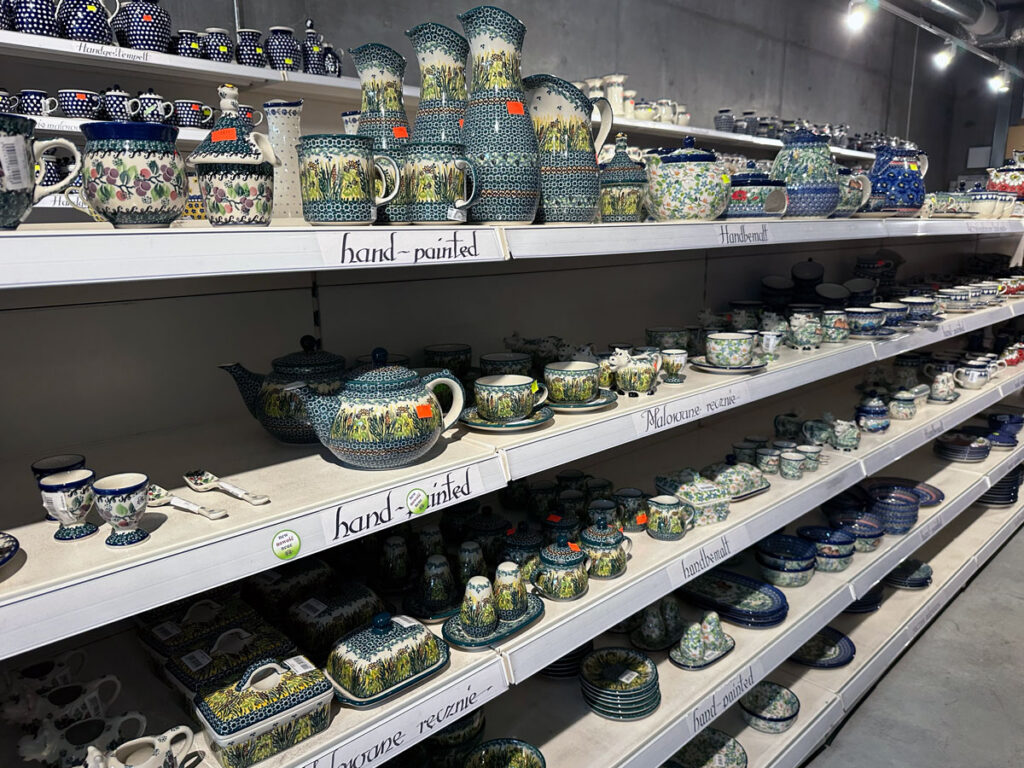
Beyond amber, Bolesławiec pottery is the other souvenir Poland is genuinely known for — hand-decorated stoneware from the town of Bolesławiec in Lower Silesia, sold widely in Gdańsk’s shops. Every piece is hand-painted with the same family of dotted, floral patterns, and it’s the kind of souvenir that actually gets used at home instead of sitting in a drawer.
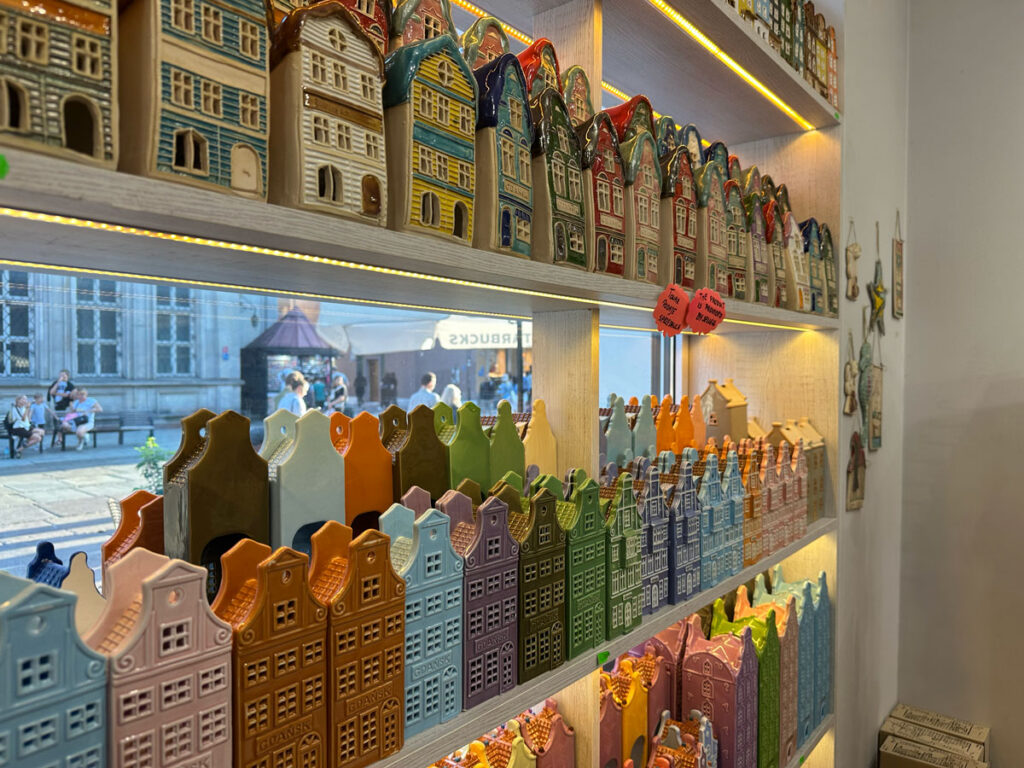
For something smaller and more Gdańsk-specific, ceramic house ornaments modeled on the city’s colorful merchant facades are everywhere in Old Town gift shops — genuinely charming, lightweight, and easy to pack.
Read more: First Time in Ljubljana? Everything You Need to Know Before You Go
Read more: The Best Souvenirs to Buy in Ljubljana: What I Actually Took Home
Planning where to stay?
Gdańsk’s Old Town fills up fast in summer, especially around the St. Dominic’s Fair season, so it’s worth locking in a place before rates climb. Get Up to 20% off with a Getaway Deal at Booking.com, which is where I found a solid rate on a place near the Motława waterfront for this trip.
What I’d Skip
- Buying amber from the very first stall you see. Prices and quality vary enough between vendors that it’s worth a short walk before committing to anything expensive.
- Eating right on the Long Market if you’re on a budget. Prices here run noticeably higher than a block or two away, purely for the location.
- Trying to fit Malbork Castle into a rushed half-day. It’s a genuinely worthwhile day trip, but it deserves its own dedicated day rather than a squeezed-in afternoon.
Tips to Save Money
- Use the SKM train, not taxis, for Sopot and Gdynia. A one-way ticket runs around 5.50 PLN (about $1.50), and it’s faster than fighting traffic anyway.
- Eat at a milk bar at least once. These subsidized Polish canteens serve genuinely good, no-frills food at a fraction of restaurant prices.
- Check free museum days. Several of Gdańsk’s major museums offer a free-admission day, typically midweek — worth checking before you buy tickets.
- Avoid the blue and yellow Euronet ATMs scattered around tourist areas — they carry high fees and weaker exchange rates than a bank-affiliated machine.
- Buy jagodzianka in summer, not any other season — you’ll pay the same price for a version made with frozen fruit outside blueberry season, and it’s simply not as good.
Read more: What It’s Really Like Flying Condor Business Class
Quick Price Recap
| Item | Price (PLN / USD) |
|---|---|
| Pierogi at a milk bar | ~26 PLN / ~$7 |
| St. Mary’s Basilica tower climb | ~20 PLN / ~$5 |
| Jagodzianka (blueberry bun) | ~15–18 PLN / ~$4–5 |
| 24-hour public transport pass | ~22 PLN / ~$6 |
| SKM train to Sopot | ~5.50 PLN / ~$1.50 |
| Mid-range hotel (per night) | ~150–300 PLN / ~$40–80+ |
Gdańsk rewards slow walking more than a checklist — the Crane, the Long Market, the amber stalls, and a plate of pierogi will all still be there whether you rush or not. What stayed with me most wasn’t any single landmark, but the fact that almost everything beautiful here was rebuilt on purpose, from memory, after being nearly leveled. That’s a different kind of history than most European old towns are actually offering.