

Gdańsk’s food scene splits pretty cleanly into two categories: the places built for tourists with translated menus and inflated prices, and the places locals actually eat at, which are almost always cheaper and better. I spent my visit deliberately chasing both — the famous, photogenic spots everyone asks about, and the unglamorous milk bars and bakeries where the real cooking happens. Here’s the honest version of both lists.
Quick Facts: Eating In Gdansk
CHEAPEST FULL MEAL: Milk bar (bar mleczny), roughly $6–9
MID-RANGE MEAL: $12–20 per person at a sit-down restaurant
SPLURGE DINNER: $30–50+ per person at Chleb i Wino or similar
BAKERY TREAT: $1.50–4 for pastries, jagodzianka, or pretzels
TIPPING: Not required; 10% is appreciated at sit-down restaurants
CURRENCY: Polish złoty (PLN), roughly 4 PLN to $1 USD
Chleb i Wino: Is Gdańsk’s Famous Restaurant Worth It?
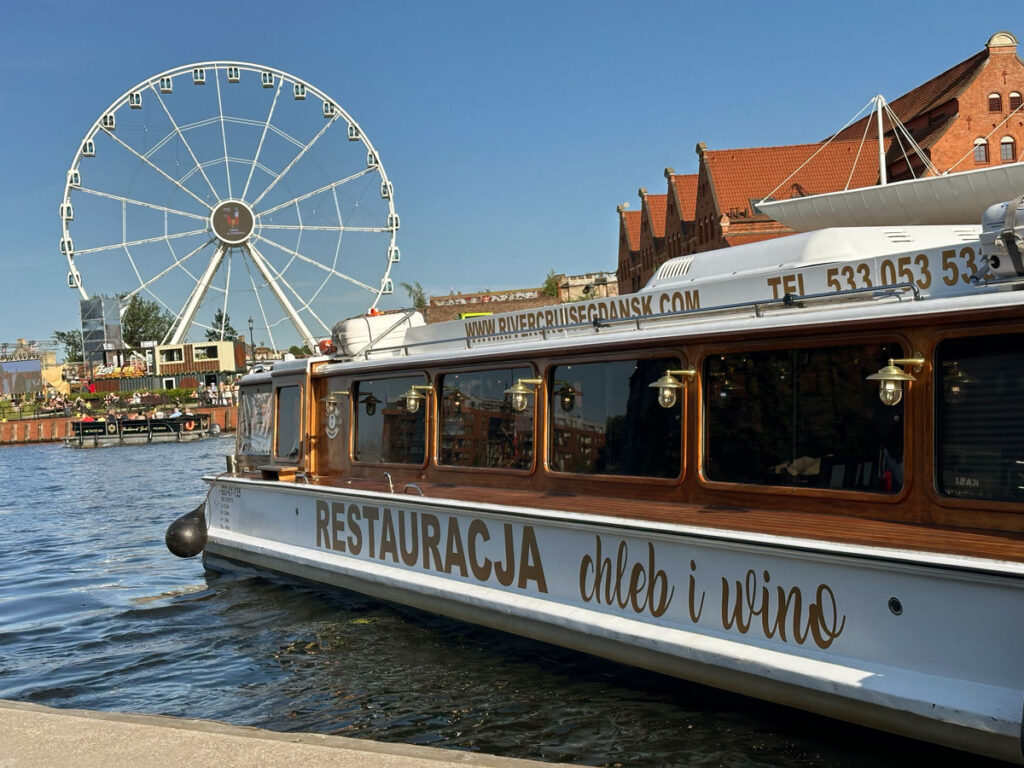
Chleb i Wino (“Bread and Wine”) is the restaurant every Gdańsk visitor eventually asks about, and it’s easy to see why — it sits right on the Motława riverfront on Granary Island, serving Mediterranean-leaning Polish food with a genuinely striking dining room. There are actually three Chleb i Wino locations around Gdańsk’s Old Town and Granary Island, and the brand also runs its own dinner cruise on a restored 1975 passenger ship.
Read more: Gdansk Travel Guide 2026: What to See, Eat, and Skip
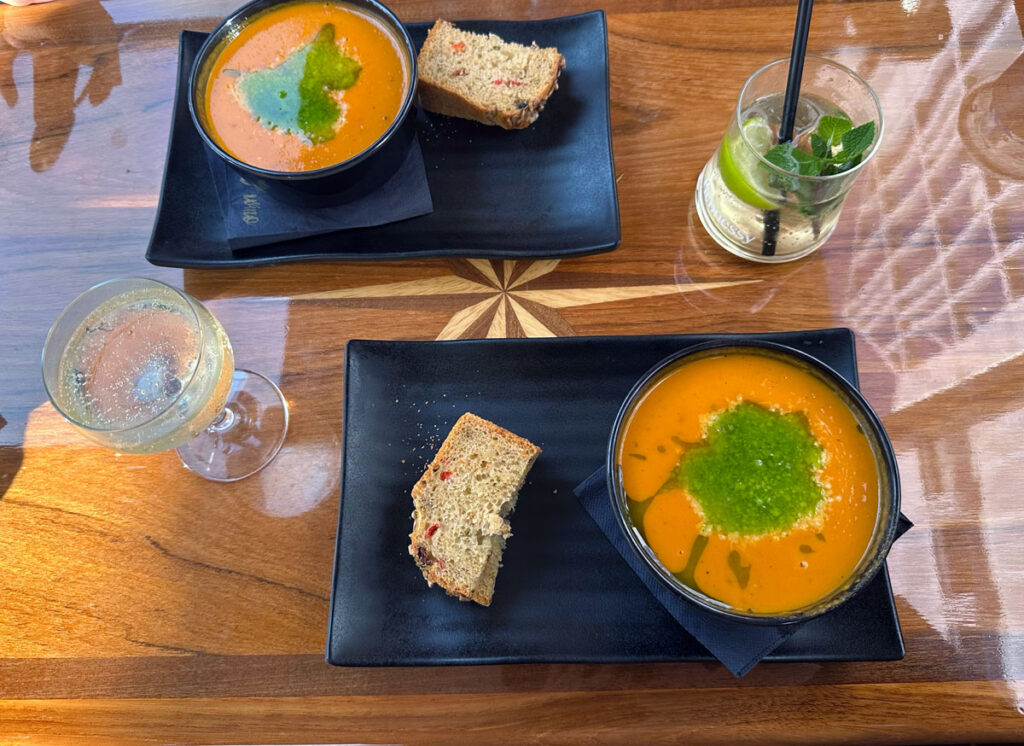
The honest answer on whether it’s worth it: it depends on what you’re optimizing for. The food itself is consistently well-reviewed — hand-made pasta, daily-baked bread, a serious wine list — but reviews are genuinely mixed on service and value. Some visitors call it one of the best meals of their trip; others report long waits, slow service during peak hours, and prices that run noticeably higher than most restaurants in the area. The queue outside after 2pm in summer is real and often stretches past an hour without a reservation.
Entrées roughly $15–30. Reservations recommended in summer
HONEST TAKE
If you want the experience without the dinner-rush wait, book the river cruise instead — a 45-minute ride past the city’s landmarks with an optional dish from the restaurant’s menu included, avoiding the queue entirely.
Bar Mleczny: The Cheapest Traditional Polish Lunch
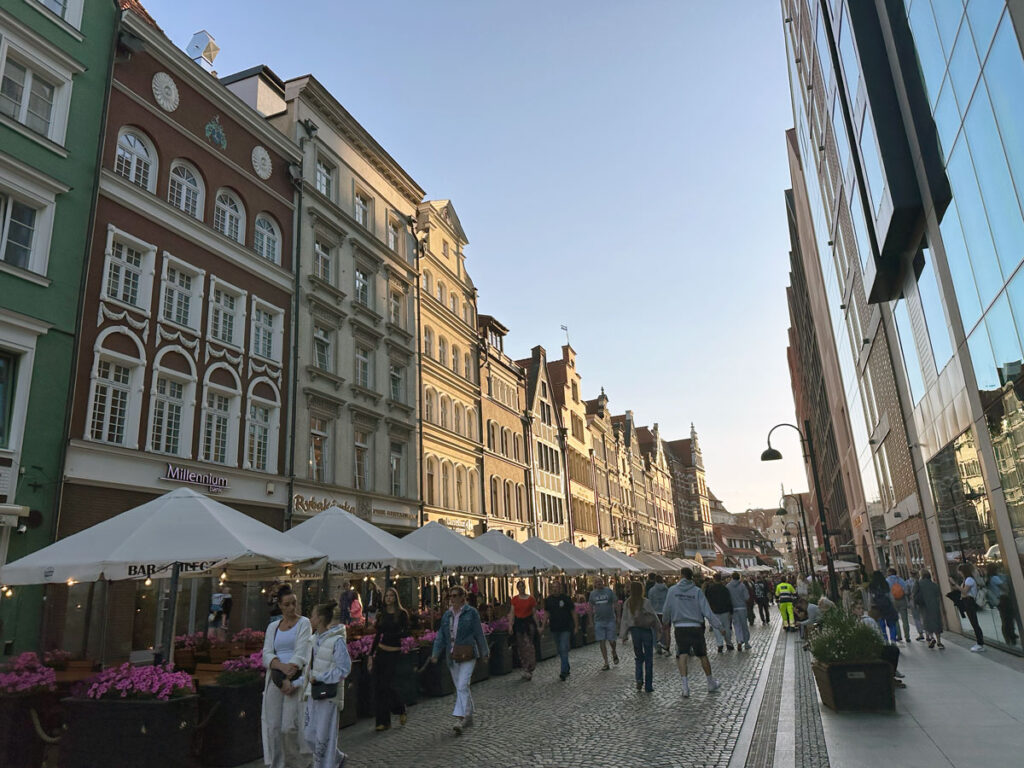
A bar mleczny, or “milk bar,” isn’t a restaurant name — it’s a category. These are canteen-style eateries that trace back to the Communist era, when the government subsidized basic Polish meals to keep food affordable; the name itself comes from the dairy-heavy, meat-light dishes that were common when meat was scarce. They’ve stuck around because they’re genuinely good value, not out of nostalgia.
Bar Mleczny “Pod Łososiem” on Długa Street, just steps from the Golden Gate, is one of the last milk bars still operating in the city center, and despite sitting on the main tourist route, prices stay remarkably low. Expect pierogi, żurek (sour rye soup), gołąbki (cabbage rolls), and barszcz, ordered cafeteria-style at a counter, no frills, no English menu guaranteed.
Full meal roughly $6–9 Cafeteria-style ordering, cash often preferred
TIP
Don’t expect table service or an English menu at most milk bars — point at what looks good, or use a translation app. It’s part of the experience, and staff are generally patient with tourists who are clearly trying.
O.Mandu: Pierogi Done Right
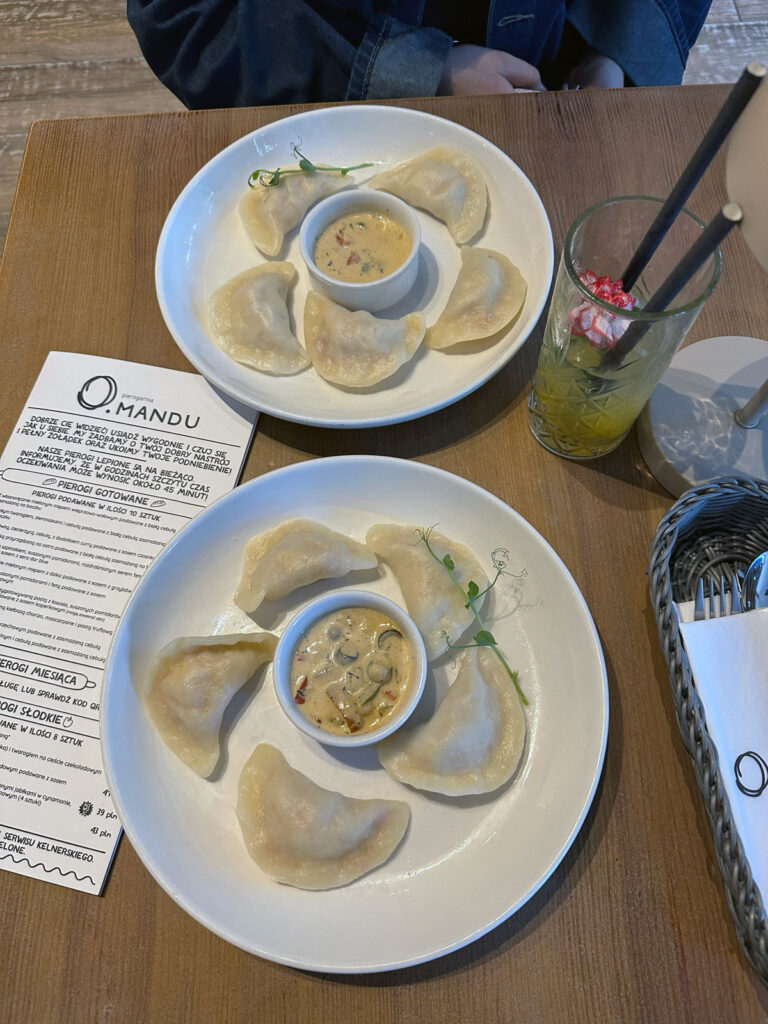
If Bar Mleczny is the no-frills pierogi experience, O.Mandu (Pierogarnia O.Mandu) is the version with a bit more polish — a dedicated pierogi restaurant with a genuinely long menu of both classic and inventive fillings, served with dipping sauces rather than the traditional fried onion topping alone. It’s a good middle ground if you want pierogi done well without milk-bar austerity.
Plates of 5-6, pierogi around $9–11
Pellowski Bakery: The Best Place for Fresh Polish Pastries?
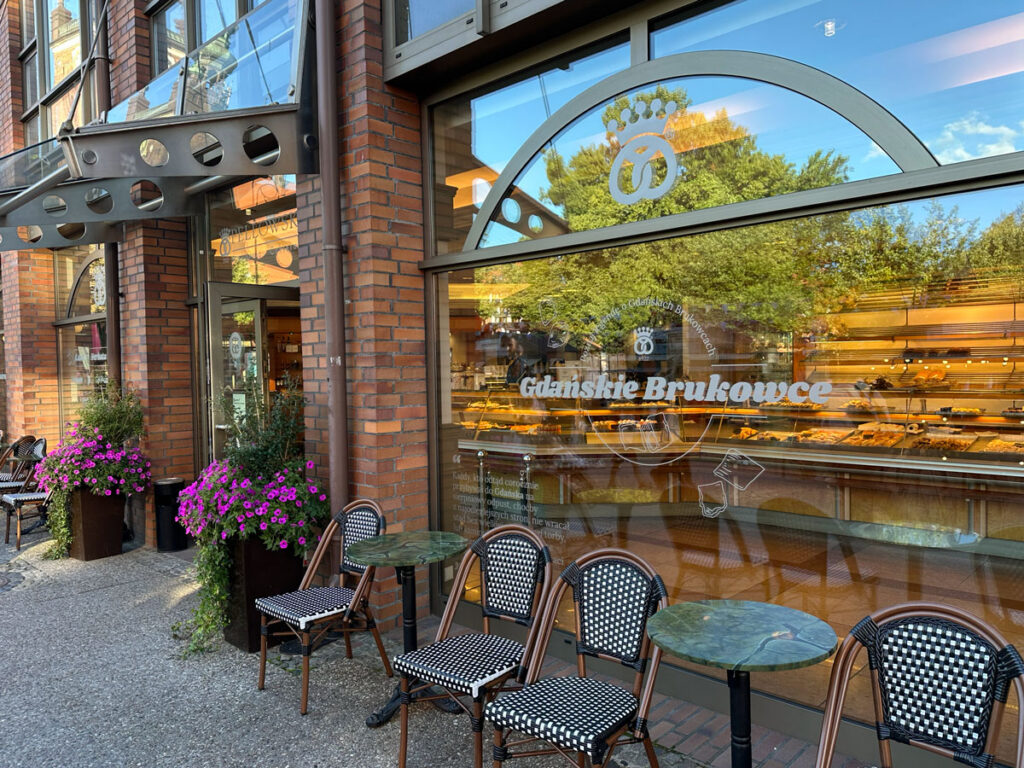
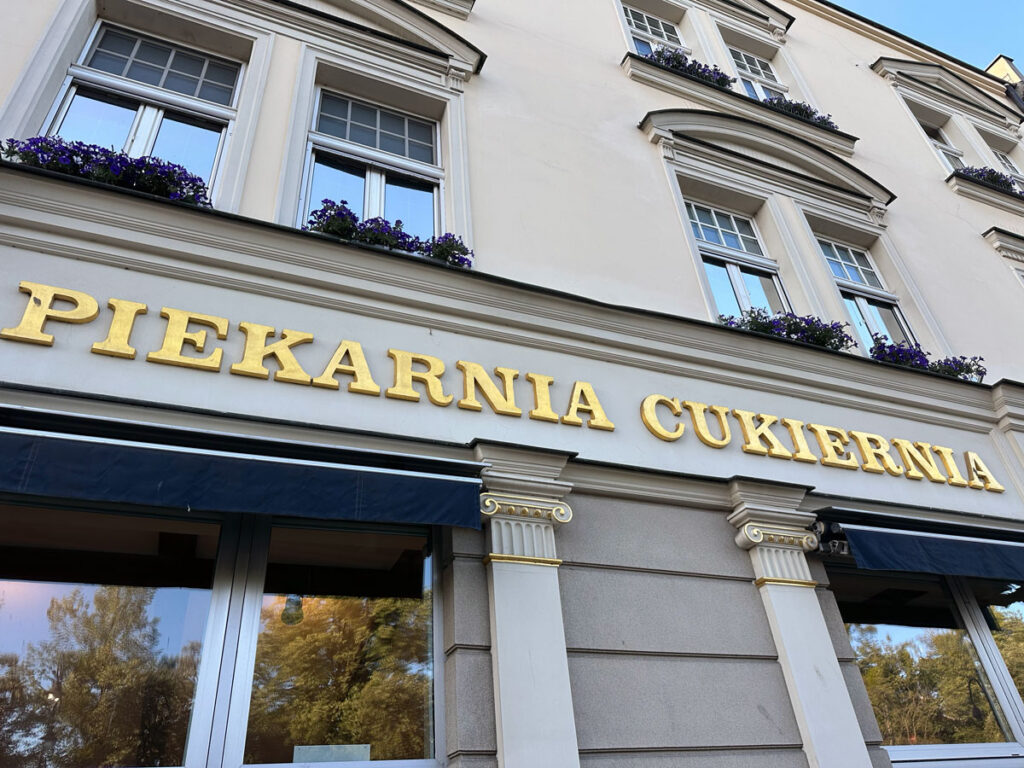
Pellowski is a genuinely old, family-run Gdańsk bakery with multiple locations around the city, including one right on Długa Street. It’s self-service — order at the counter, staff bring out prepared food — and it’s popular for exactly the reason a bakery should be: consistent bread, cakes, and sandwiches at fair prices.
Pellowski’s real claim to fame, though, is Gdańskie Brukowce — literally “Gdańsk cobblestones” — a local specialty piernik (honey spice cake) made to a recipe dating back to 1922, originally baked specifically for St. Dominic’s Fair, the city’s centuries-old summer market. It’s chopped, mixed with cocoa and plum jam, then coated in a sugar glaze, and it’s genuinely hard to find outside Gdańsk.
Pastries roughly $2–4. Try the Gdańskie Brukowce specifically
Read more: One Day at Malbork Castle The Day Trip From Gdansk
Polecamy Jagodzianki: Are These Poland’s Best Blueberry Buns?
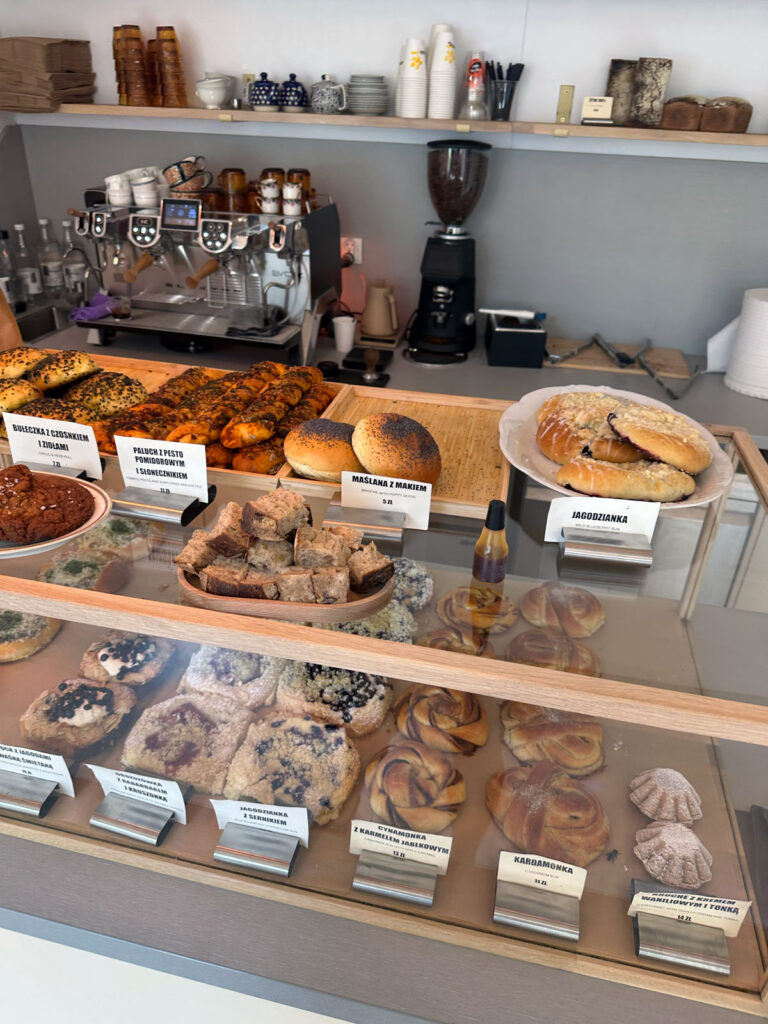
Jagodzianka — a soft yeasted bun stuffed with wild blueberries — is one of Poland’s most beloved summer pastries, and it’s genuinely seasonal: wild blueberry season runs roughly late June through September, so a jagodzianka made outside that window is working with frozen fruit, not the real thing. Polecamy Jagodzianki (literally “we recommend jagodzianki”) is a bakery built specifically around this one pastry and its variations, including a cheesecake-layered version.
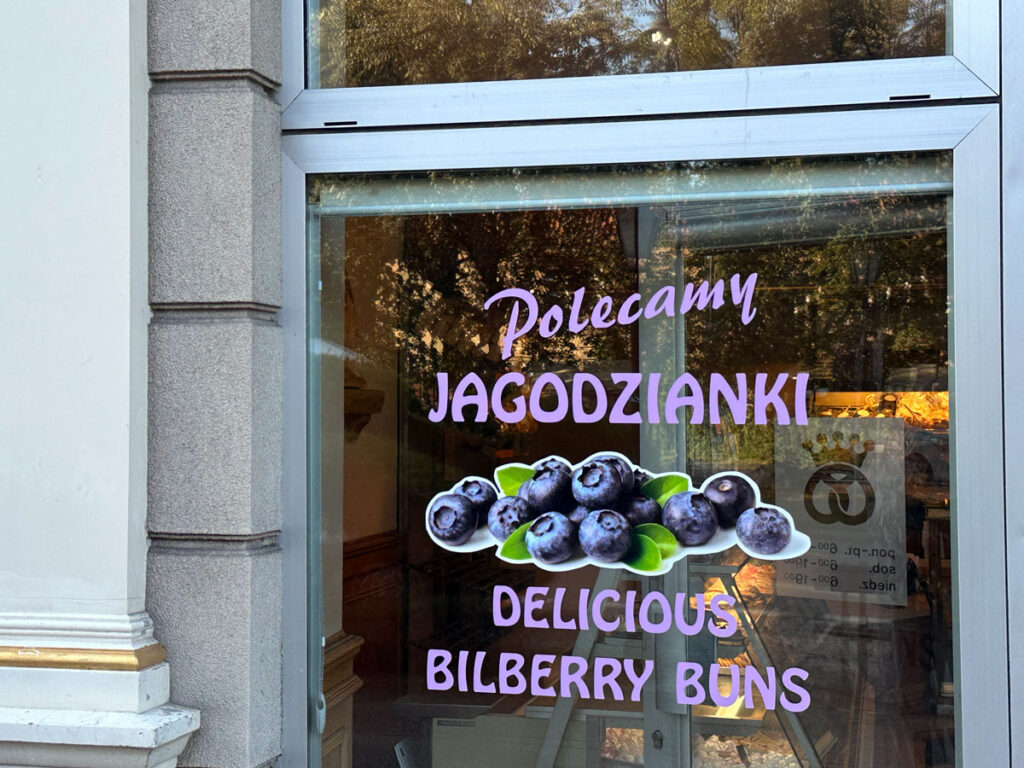
Whether these are objectively “Poland’s best” is the kind of claim every bakery makes about itself, but the focus is the point — a shop that’s built its whole identity around getting one pastry right is generally a safer bet than a general bakery doing twenty things adequately.
Jagodzianka roughly $3.50–4.50
Pan Precel: The Best Pretzels in Gdańsk
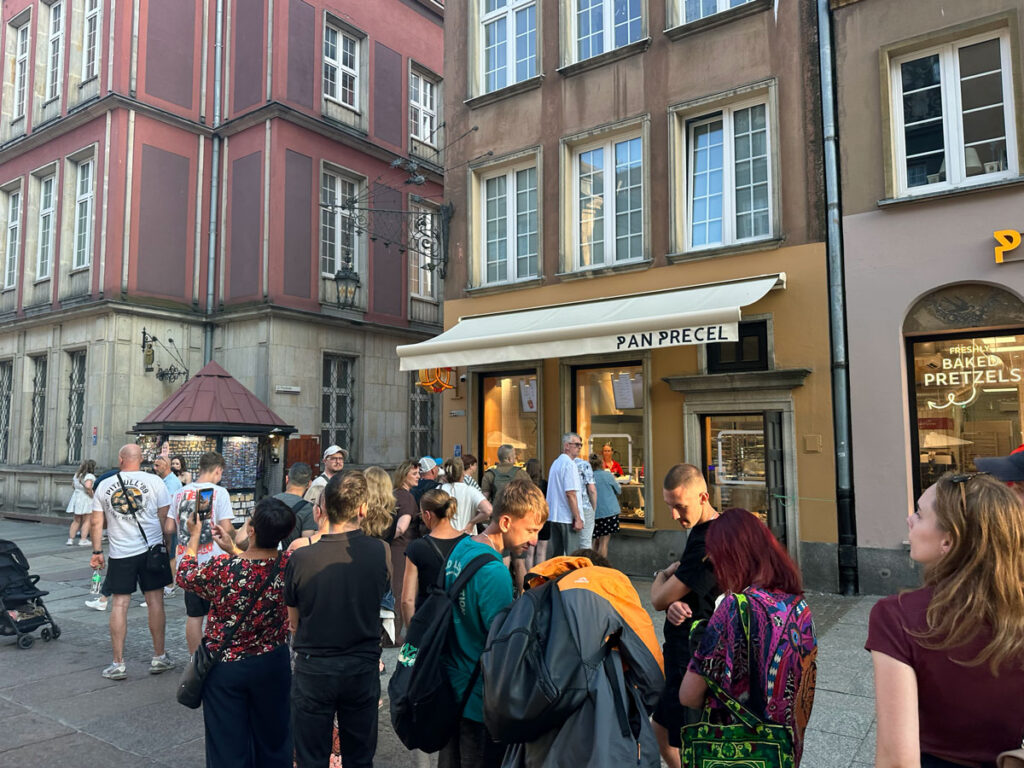
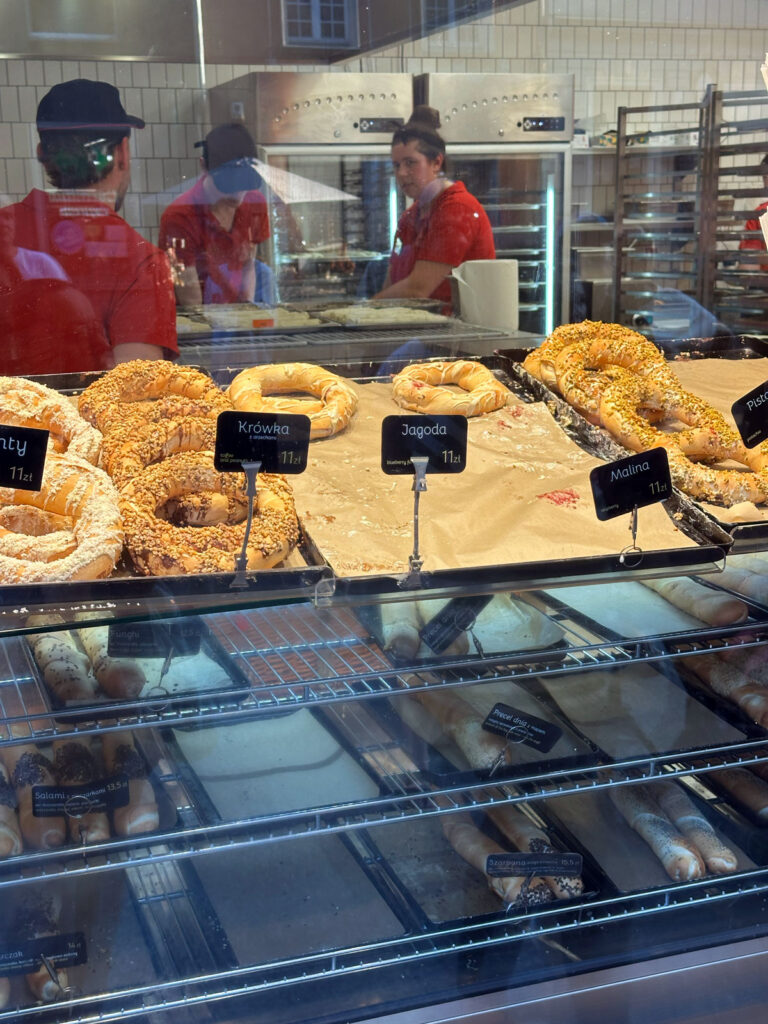
Pan Precel (“Mr. Pretzel”) specializes in large, soft pretzels loaded with toppings — both sweet (toffee and peanut, blueberry, raspberry) and savory (mushroom, salami, pulled pork). It’s part of a small chain with locations in other Polish cities too, and the Gdańsk location regularly draws a line down the block, especially in the early evening.
It’s worth knowing there’s real competition on the same street — a “Freshly Baked Pretzels” shop sits practically next door, so if the Pan Precel line is too long, you don’t have to wait it out.
Pretzels roughly $2.75–4 (11–15.5 PLN)
Dobra Pączkarnia: Polish Donuts Since 1989
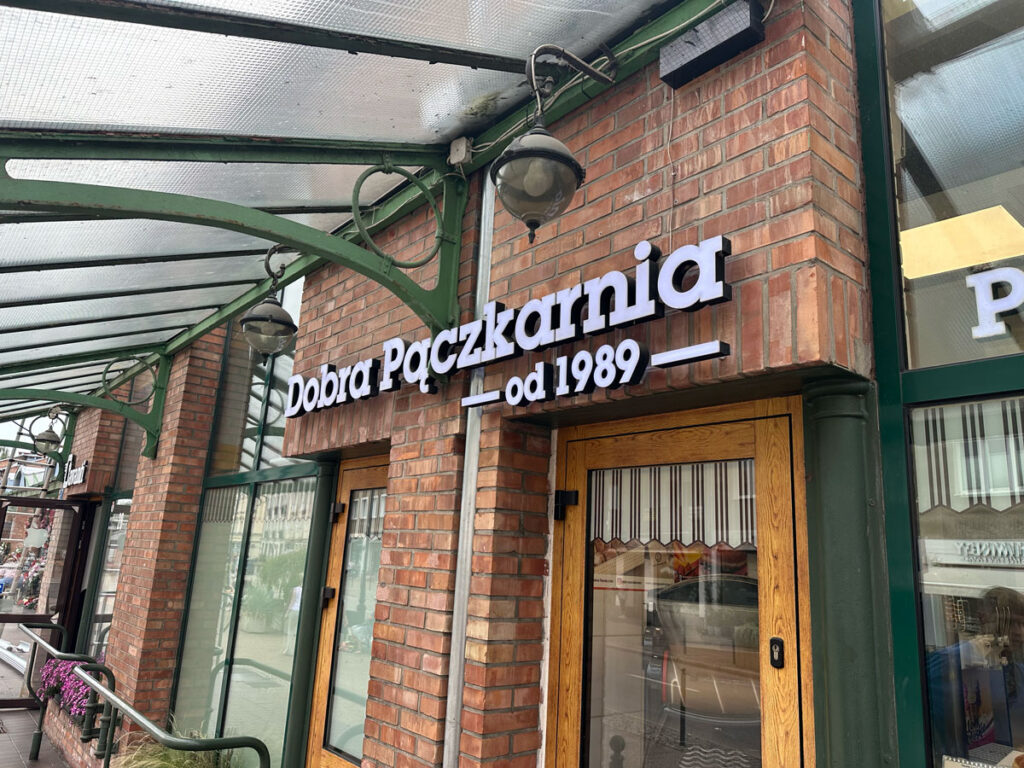
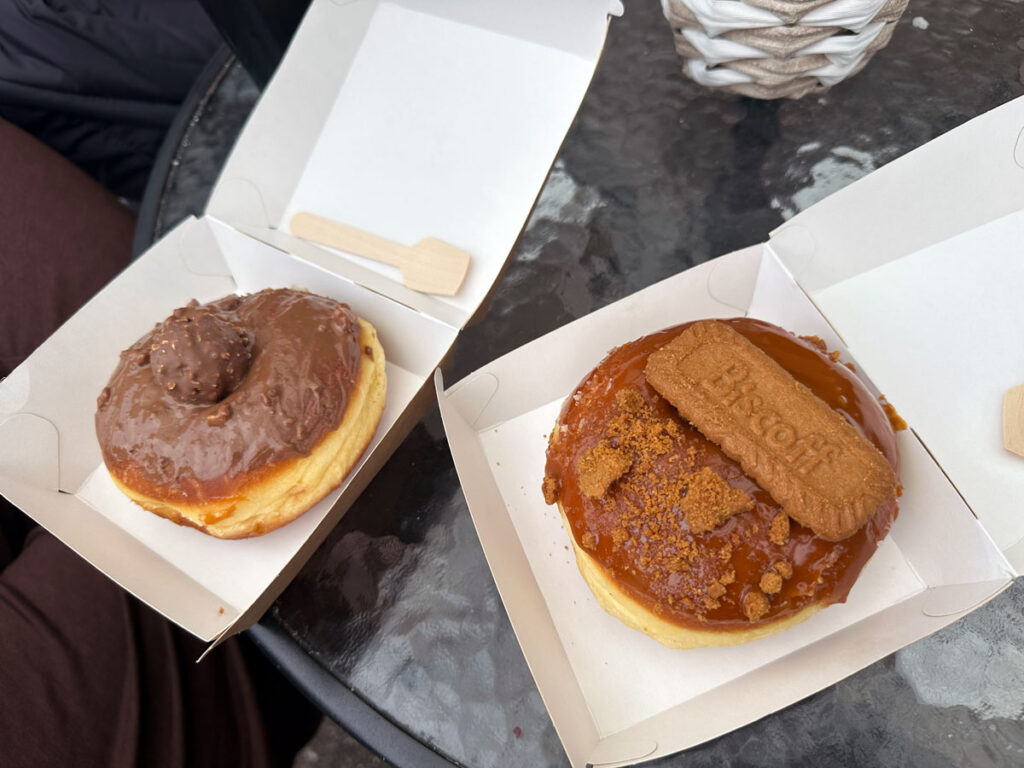
Pączki are Polish jelly donuts, denser and richer than the American version, and Dobra Pączkarnia (“Good Donut Shop”) has been making them since 1989, with locations across several Polish cities beyond Gdańsk.
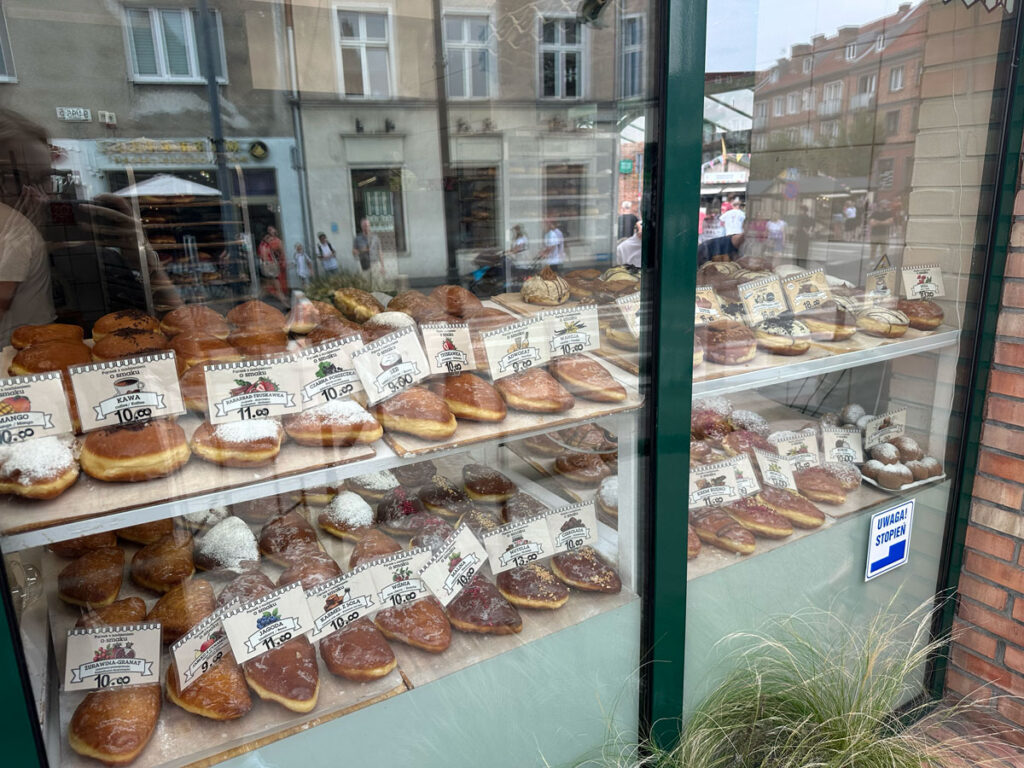
The flavor range goes well past classic rose jam — think Biscoff caramel, chocolate hazelnut, and rotating seasonal options, all clearly priced on a menu board in the window.
Pączki roughly $2.25–4.50 (9–18 PLN)
Rybakówka: Fresh Seafood by the Water
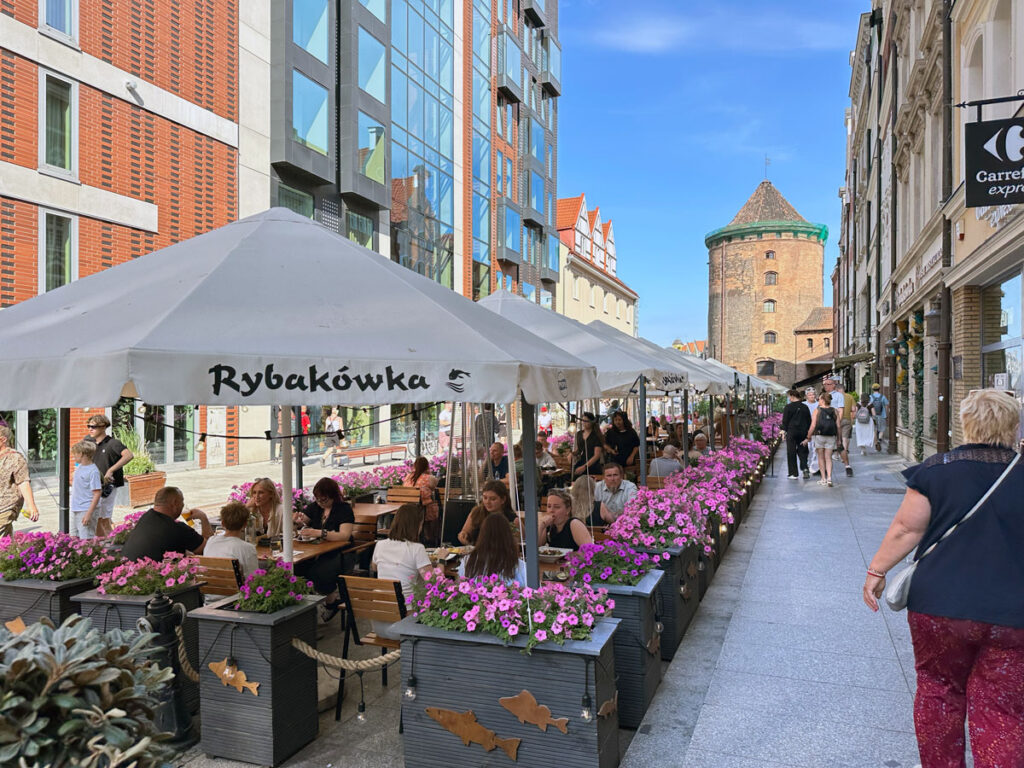
Rybakówka, on Stągiewna Street near the water, is the go-to recommendation for anyone craving fish rather than another plate of pierogi. It’s an easy, casual outdoor setup — umbrella-covered tables spilling onto the sidewalk, fish-shaped decor accents, and a menu built around fresh, simply prepared seafood. It’s a solid fit if you want a lighter meal after a heavier day of Polish comfort food.
Mains roughly $12–22
Starbucks Gdańsk Old Town: A Great Coffee Stop or Tourist Trap?
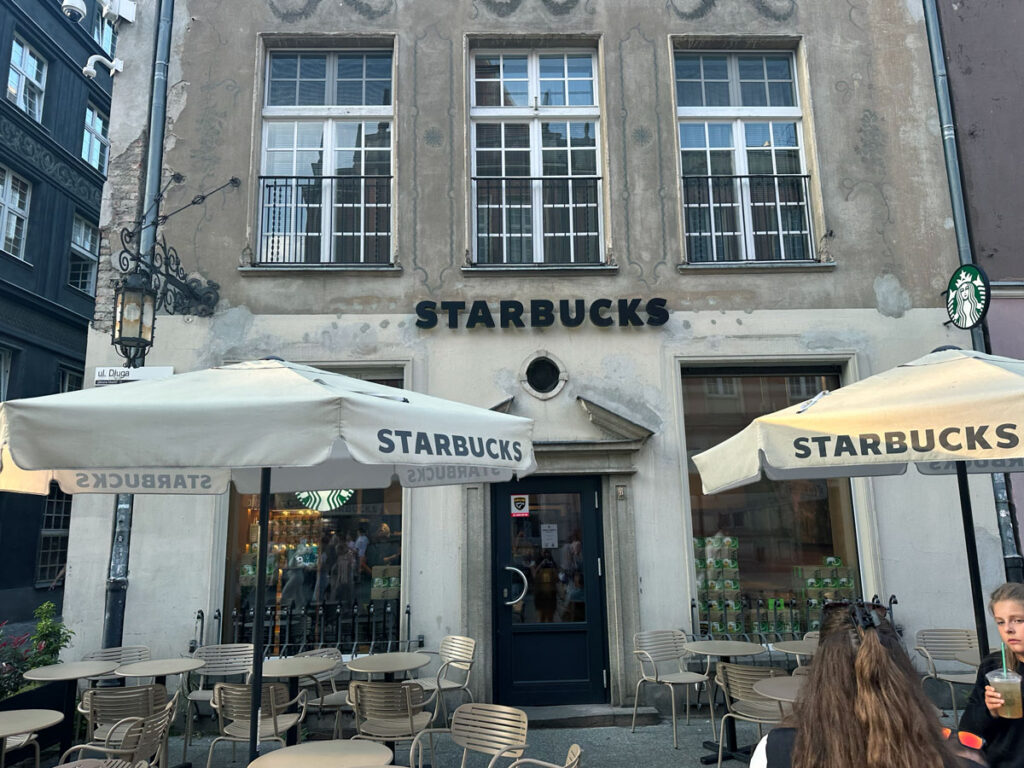
This one’s less about the coffee and more about the building. The Starbucks on ul. Długa occupies a genuinely historic Old Town facade, the kind of setting that feels almost incongruous with a green mermaid logo. It’s a legitimate option if you want reliable Wi-Fi, a familiar menu, and air conditioning — but it’s also priced like Starbucks everywhere else, while a local café two streets over will often serve better coffee for less.
Read more: Buying Baltic Amber in Gdańsk: Everything You Need to Know
The honest verdict: fine as a quick, predictable stop or a bathroom break, but not a food destination in a city with this many independent bakeries and cafés worth your time instead.
Standard Starbucks pricing, no local discount
Planning your Gdańsk food crawl around a longer stay?
Between milk bars, bakery stops, and a proper sit-down dinner, a Gdańsk food itinerary is worth building a full trip around — so it’s worth locking in a place to stay before the Old Town books up. Get Up to 20% off with a Getaway Deal at Booking.com, which is how I found a place within easy walking distance of most of the spots on this list.
Best Polish Desserts to Try in Gdańsk
- Jagodzianka — wild blueberry yeast bun, best in summer when the fruit is actually in season.
- Pączki — Polish jelly donuts, denser than American donuts, with fillings ranging from classic rose jam to modern flavors like Biscoff caramel.
- Gdańskie Brukowce — the city’s own honey-spice cake specialty, made by Pellowski to a century-old recipe, originally created for St. Dominic’s Fair.
- Sernik — Polish cheesecake, denser and less sweet than the American version, often showing up as a layer inside other pastries too.
- Szarlotka — Polish apple pie, usually built on a shortcrust base with cinnamon and a crumble top.
Tips to Save Money
- Eat at least one meal at a milk bar. It’s the single best value in the city, and the food is genuinely good, not just cheap.
- Save Chleb i Wino for a special dinner, not a casual lunch. If the wait or the price is the concern, the river cruise version gets you the same food with a shorter line.
- Buy jagodzianka in season (late June–September). You’ll pay the same price for a frozen-fruit version outside that window, and it’s simply not as good.
- Check for a second pretzel or bakery shop nearby if your first choice has a long line — competition is real on the busiest streets.
- Skip chain coffee unless you need the reliability. A local café will usually beat Starbucks on both price and quality in a city with this many independent bakeries.
Quick Price Recap
| Where | Typical Cost (USD) |
|---|---|
| Bar Mleczny (milk bar) meal | $6–9 |
| O.Mandu pierogi plate | $9–11 |
| Chleb i Wino entrée | $15–30 |
| Pellowski pastry / Gdańskie Brukowce | $2–4 |
| Jagodzianka | $3.50–4.50 |
| Pan Precel pretzel | $2.75–4 |
| Dobra Pączkarnia pączek | $2.25–4.50 |
| Rybakówka seafood main | $12–22 |
Gdańsk rewards eating like both a tourist and a local in the same trip — a splurge dinner on the waterfront is worth it once, but the milk bars, bakeries, and pretzel lines are where the city actually feeds itself, and they’re cheaper every single time. Do both, and you’ll leave with a much better picture of what this city actually eats.