
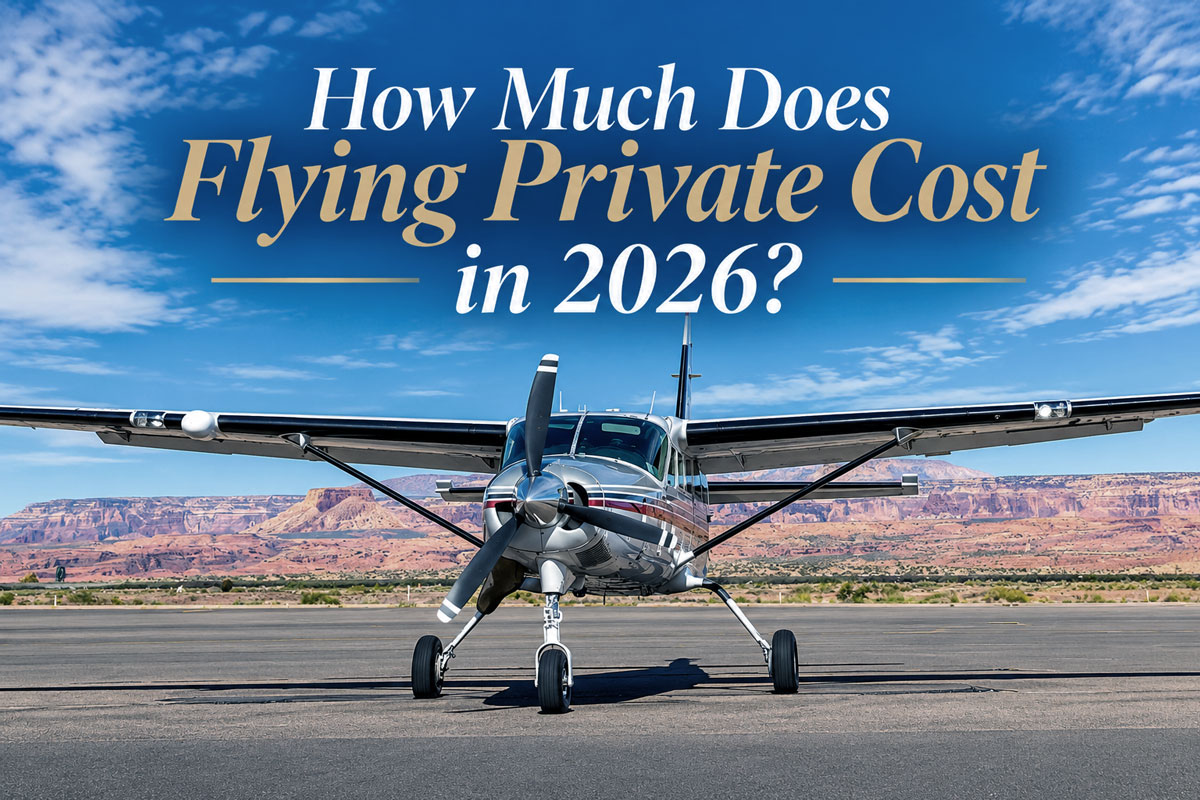
Private aviation looks simple from the ramp: a jet, an open door and a short walk from the car. The pricing behind it is anything but simple. Hourly rates, taxes, positioning fees, jet cards and fractional shares all get thrown around, and the same trip can cost wildly different amounts depending on how you book it. Here is how the options really compare for travelers in the United States, with the numbers that matter.
Charter hourly rates: roughly $2,000 to $3,500 for a turboprop, $3,500 to $6,500 for a light jet and $5,000 to $8,500 for a midsize jet
Federal taxes (2026): a 7.5% excise tax plus $5.30 per passenger per segment on domestic charters
Empty legs: often 25% to 80% below the normal charter price
Semi-private seats: JSX one-way fares have been listed from about $99 to $979
The Main Ways to Fly Private
| Option | How it works | Typical cost |
|---|---|---|
| On-demand charter | Book a whole aircraft, trip by trip | Hourly rate for the aircraft plus taxes and fees |
| Empty leg | Buy a repositioning flight the operator has to fly anyway | Often 25% to 80% below retail charter |
| Jet card | Prepay for hours at set rates | A 25-hour light jet card has been estimated near $200,000 to $215,000 |
| Membership | Fund an account and fly at member rates | Wheels Up Signature deposits start at $200,000 |
| Fractional share | Own a slice of a specific aircraft | A 1/16 share (about 50 hours a year) is quote-only; broker estimates start around $500,000 for a light jet |
| Semi-private seat | Buy a seat on a scheduled jet from a private terminal | About $99 to $979 one way on JSX |
How Much Does a Private Jet Charter Cost Per Hour?
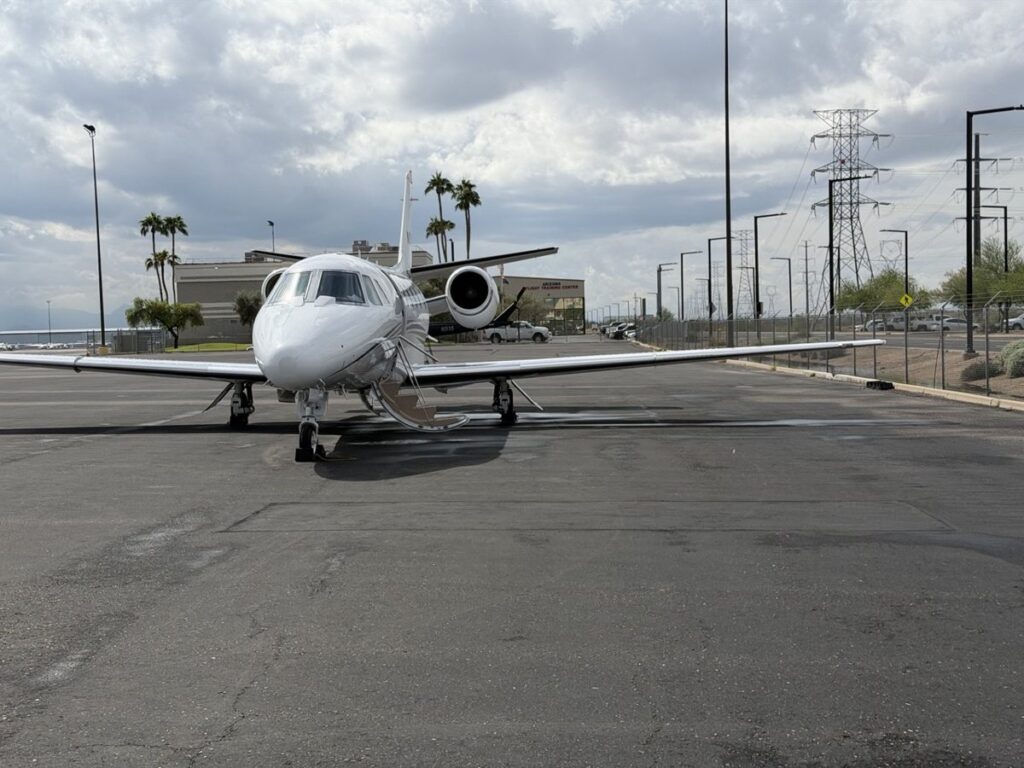
Charter prices are built on the hourly rate for the whole aircraft, not per seat. Brokers and operators publish overlapping ranges for 2026, so treat these as ballparks rather than quotes.
| Aircraft category | Typical hourly rate (USD) | Examples brokers cite |
|---|---|---|
| Turboprop | $2,000 to $3,500 | Single-engine turboprops, King Airs |
| Light jet | $3,500 to $6,500 | Citation CJ4, Phenom 300 |
| Midsize jet | $5,000 to $8,500 | Citation XLS+, Hawker 800 |
| Super-midsize jet | $7,000 to $12,000 | Challenger 350, Gulfstream G280 |
| Heavy jet | $8,500 to $14,000 and up | Larger long-range cabins |
On a whole-trip basis, one provider’s estimates put a New York to Miami light jet charter at $18,000 to $25,000 one way. Another estimated a Los Angeles to New York trip on a super-midsize jet at $40,000 to $55,000, while a different broker listed $25,000 to $45,000 for the same route. The spread is a reminder to collect several quotes.
Read more: Europe vs. American Business Class
The Fees and Taxes That Surprise First-Timers
The hourly rate is not your final bill. Domestic charters carry a 7.5% federal excise tax on the taxable price, plus a segment fee of $5.30 per passenger per flight segment for 2026. On top of that you may see landing and handling fees, fuel surcharges, positioning charges if the aircraft has to fly to you, de-icing in winter and crew overnight costs.
Here is a sample from one charter provider for a short trip with four passengers and a base price of $8,400: the 7.5% excise tax adds $630, landing and handling fees add $1,200, segment fees add $20 and a fuel surcharge with premium handling adds $500, which brings the total to about $10,750. In other words, extras added about 28% to the base price.
Money tip:
Ask for an all-in quote in writing that lists the excise tax, segment fees, landing and handling, and any positioning charges. Then compare quotes line by line.
Read more: Ways to Get Delta Miles Fast
Empty Legs: The Best Discount in Private Flying
An empty leg is a one-way flight sold at a discount because the aircraft has to reposition without passengers to its next booking. These are commonly priced 25% to 80% below regular charter, and the discount tends to widen as departure gets closer. The catch is flexibility: you take the route and time the aircraft needs, not the one you picked.
Jet Cards, Memberships and Fractional Shares
If you fly often, a program can make costs more predictable.
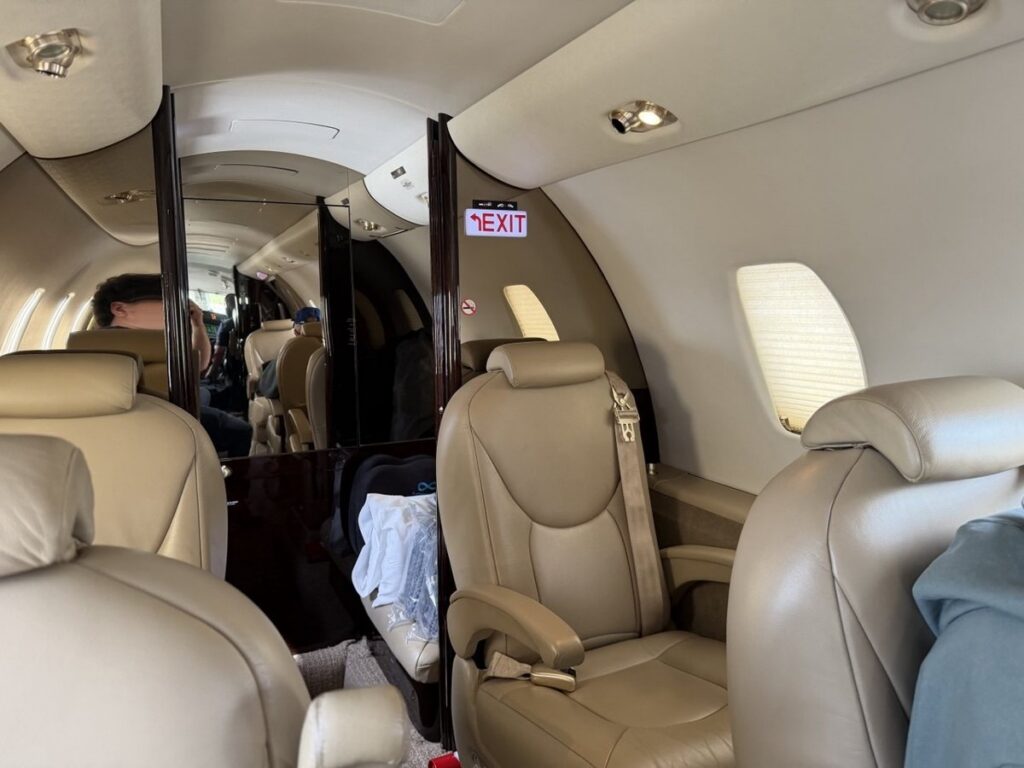
- Jet cards prepay hours on a set aircraft class. NetJets offers a card with 25 prepaid hours, and 25-hour light jet cards have been estimated near $200,000 to $215,000.
- Wheels Up is a publicly traded company (NYSE: UP) with a strategic partnership with Delta Air Lines. Its Signature Membership, launched in September 2025, starts with deposits of $200,000 and covers Phenom 300 and Challenger 300 aircraft.
- Fractional shares give you a slice of an aircraft. The smallest NetJets share, a 1/16, buys roughly 50 flight hours a year on terms of up to five years, and NetJets is owned by Berkshire Hathaway. Neither NetJets nor Flexjet publishes share prices, but broker estimates for a light jet run $500,000 to $850,000 up front, plus a monthly management fee and an hourly rate for every hour you fly.
For travelers who fly fewer than about 200 hours a year, one provider’s own guidance is that chartering almost always makes more financial sense. That figure comes from a company that sells jet cards, so weigh it accordingly, but the logic holds: programs reward steady, frequent flying.
Read more: Delta Sky Club at SEA: Everything I Learned Spending an Afternoon in Seattle’s Best Airport Lounge
Semi-Private Flights: The Budget Way In
JSX sells individual seats on 30-seat jets that depart from private terminals rather than main airline terminals. Passengers are asked to arrive about 20 to 30 minutes before departure. Published examples include Dallas to Las Vegas at $545 one way on a Hop On fare and $949 on an All In fare, and Salt Lake City to Burbank at $379 and $559. Fares across the network have been listed from about $99 to $979, and the first two checked bags are included.
Smaller Aircraft and Scenic Airports
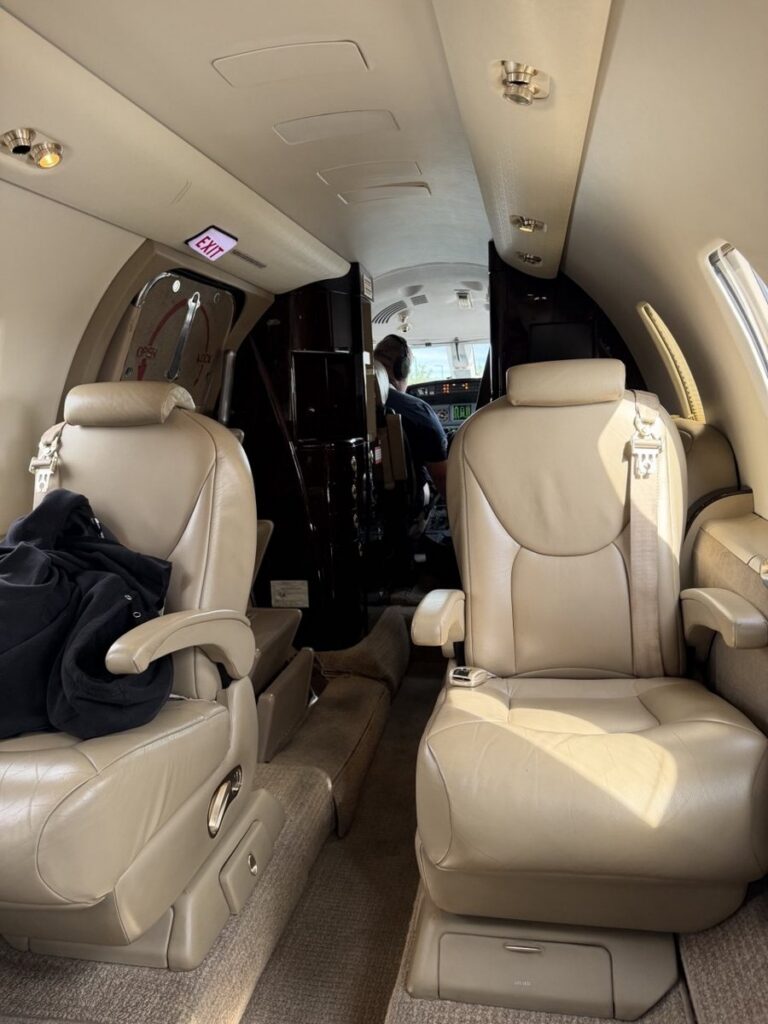
Not every private flight needs a jet. A single-engine turboprop like the one in my photo suits short regional hops, and turboprops sit at the low end of charter pricing, around $2,000 to $3,500 per hour. They can also use shorter runways at small airports near destinations that airlines do not serve.
How to Check That a Private Flight Is Safe and Legal
- Ask for the operator’s FAA Part 135 air carrier certificate number and check it in the FAA’s public database. Legitimate for-hire charter in the US operates under Part 135 or Part 121.
- Ask in writing who has operational control of the flight. It should be the Part 135 certificate holder, not the broker or the aircraft owner.
- Ask for third-party safety ratings such as ARGUS, Wyvern or IS-BAO. These are voluntary audits above the FAA minimum, and they rate the operator, not the aircraft.
- Walk away from anything unclear. Paid flights flown under Part 91 without a Part 135 certificate are known as gray charter, and the FAA can fine operators for illegal charter.
How to Save on Private Aviation
- Get quotes from more than one source. Rates for the same trip can differ by thousands of dollars.
- Look at empty legs if your dates are flexible.
- Pick the right size. One provider estimates that a faster aircraft that avoids a fuel stop on a long route can save $5,000 to $10,000 overall, even at a higher hourly rate.
- Avoid peak days. Many programs add surcharges on holidays and other busy dates.
- Try semi-private if you only want to skip the terminal.
- Save on the rest of the trip. After the flight is sorted, get up to 60% off with last-minute travel deals at Expedia for the hotel on the other end.
Read more: US Aircraft Expo 2026: Exploring the Camarillo Aviation Event
How much does it cost to charter a private jet?
Roughly $2,000 to $14,000 or more per flight hour, depending on the aircraft. A light jet runs about $3,500 to $6,500 an hour.
What taxes apply to private jet charters?
A 7.5% federal excise tax and a $5.30 per passenger segment fee on domestic charters in 2026.
What is an empty leg flight?
A one-way flight sold at a discount because the aircraft has to reposition without passengers.
Is fractional ownership cheaper than charter?
Only if you fly a lot. Shares require up-front capital, monthly fees and hourly charges on top.
How do I know a charter operator is legitimate?
Ask for its FAA Part 135 certificate number and confirm it in the FAA’s public database.