
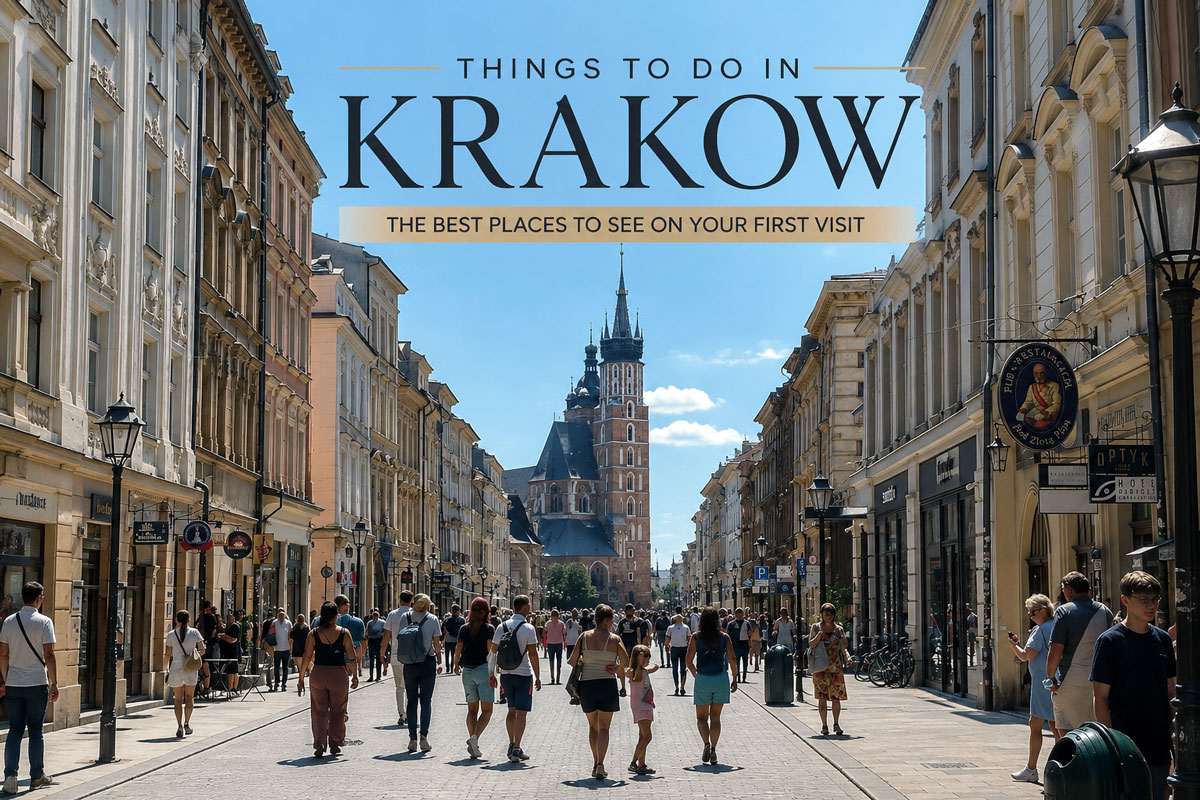
Krakow survived World War II almost completely intact, which means it’s one of the only major cities in Central Europe where you’re walking through the real thing — not a careful postwar reconstruction. That alone makes it worth a serious look, even for American travelers who’ve never put Poland on the list. The Old Town is compact, walkable in a single day, and dense with the kind of history that usually takes a guidebook to untangle.
This guide follows the route I actually walked: in through the medieval Barbican, down Florianska Street to the Main Square, out along Grodzka Street past the city’s Baroque churches, and up onto Wawel Hill to see the castle, the cathedral, and the dragon that (really) breathes fire. Every price below is current and converted to U.S. dollars, so there’s no zloty math required mid-walk.
Krakow at a Glance
- Best for: a full day minimum, ideally two — the Old Town and Wawel Hill alone fill 6–8 hours
- Where it happens: a walkable loop between the Barbican, the Main Market Square, and Wawel Hill, connected by Florianska and Grodzka Streets
- Currency: Polish zloty (PLN). As of early August 2026, $1 USD ≈ 3.7 PLN, so 10 PLN is roughly $2.70
- Realistic budget: $25–55 per person for a Wawel ticket, a coffee or pierogi stop, and a souvenir or two
- Getting around: the Old Town and Wawel Hill are entirely walkable — you won’t need a taxi or tram for this route
Enter the Old Town Through the Barbican
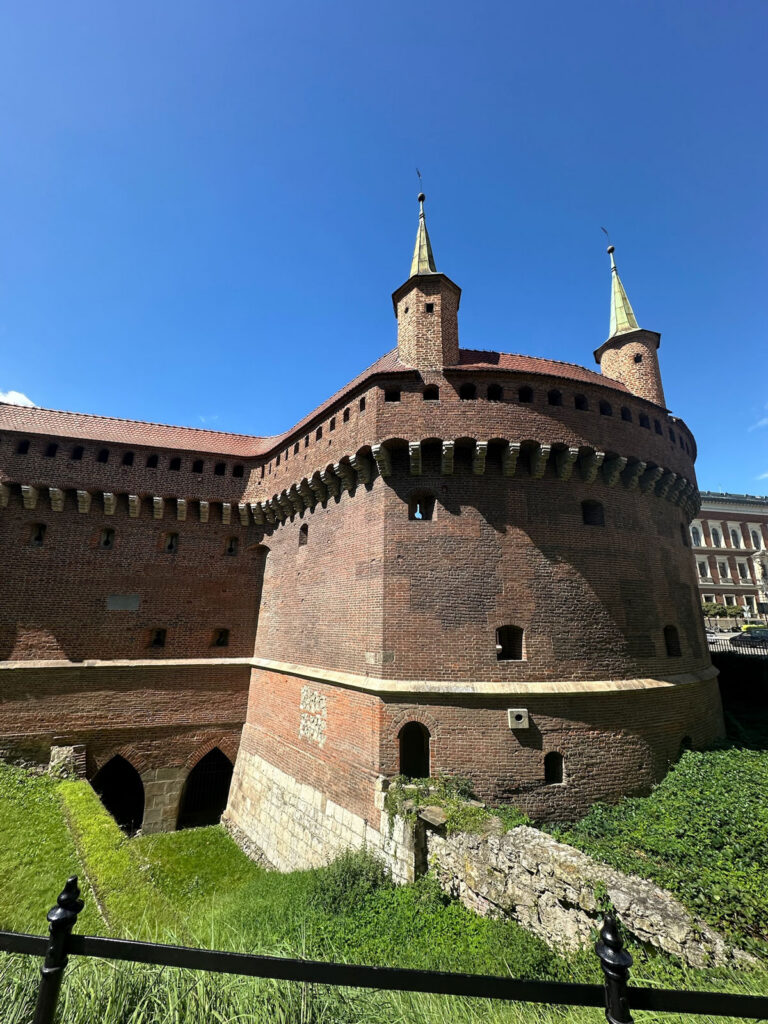
Start where medieval travelers did: at the Barbican, the circular red-brick fortress guarding the northern edge of Krakow’s Old Town. Built in 1498–99 under King Jan Olbracht in response to threats from Tatar and Ottoman forces, it’s one of only three Gothic barbicans left standing anywhere in Europe, and locals still call it “the Rondel” (the saucepan) for its shape. The walls run over 3 meters thick, and the structure held roughly 130 embrasures for archers — it was never once conquered in battle.
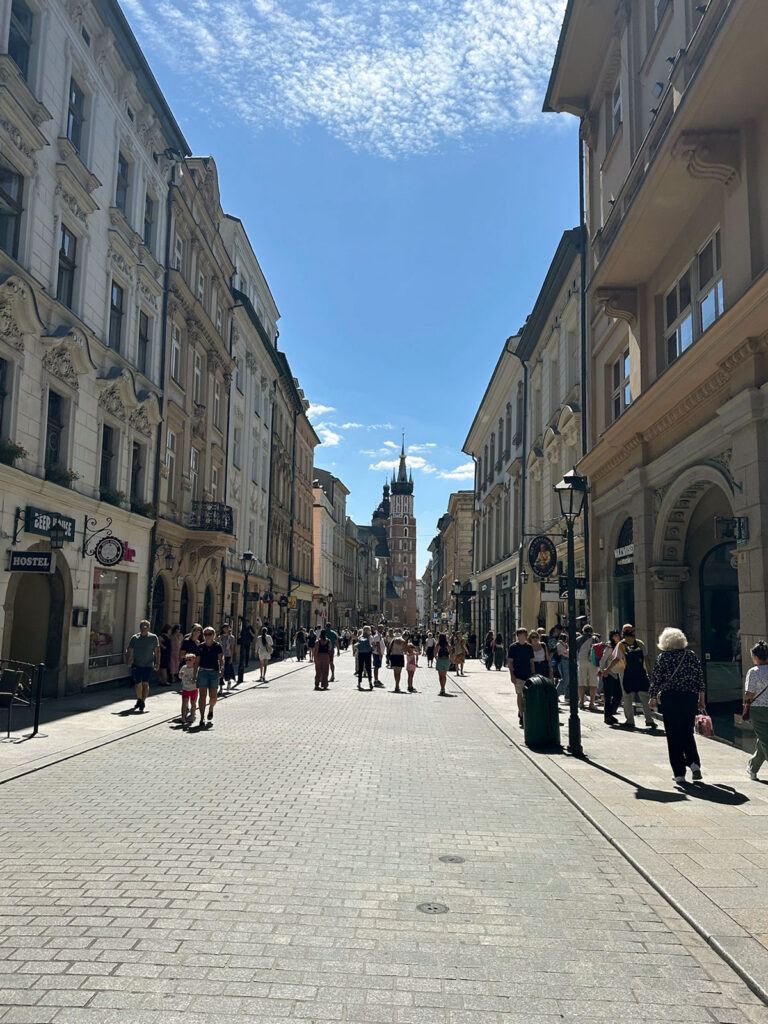
From the Barbican, walk through St. Florian’s Gate onto Florianska Street, the pedestrian corridor that funnels straight into the Main Square. It’s touristy and crowded by midday, but it’s also the classic approach to the Old Town for a reason — St. Mary’s Basilica’s uneven twin towers rise into view the whole way down.
Listen for the Trumpet That Never Finishes
Once you reach the square, time your visit for the top of the hour if you can. Every hour, a live trumpeter plays a five-note call called the hejnal from the taller tower of St. Mary’s Basilica — and it always cuts off abruptly, mid-note. Local legend ties this to a 13th-century watchman who was shot in the throat by a Tatar arrow while sounding the alarm, though historians generally agree the specific arrow story was popularized in a 1928 American children’s novel rather than medieval record. What is verified: the call has been played from that tower for centuries, and it’s genuinely a live musician up there, not a recording — he waves down at the crowd after each round.
The Main Market Square (Rynek Glowny)
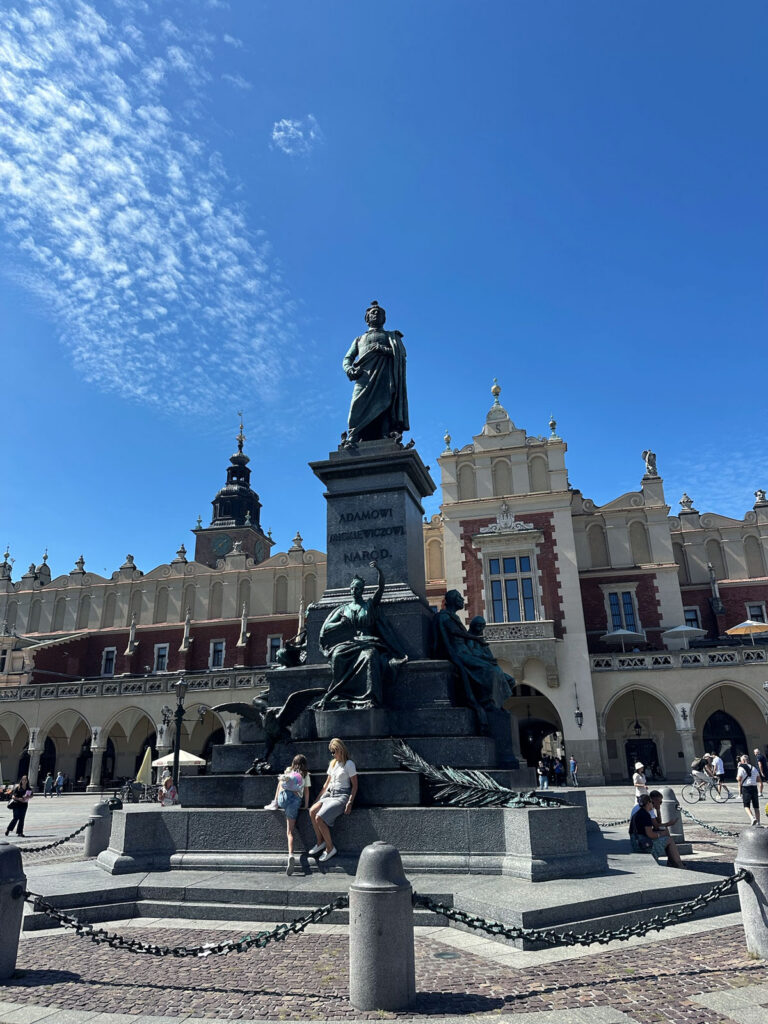
Krakow’s Rynek Glowny dates to 1257 and is regularly cited as one of the largest medieval town squares surviving in Europe. The Renaissance-era Cloth Hall (Sukiennice) splits the square down the middle — it’s been a functioning marketplace for centuries and still sells amber jewelry, leather goods, and wooden crafts under its arcades today.
Read more: One Day at Malbork Castle The Day Trip From Gdansk
The bronze statue you’ll see anchoring the square honors Adam Mickiewicz, considered Poland’s greatest Romantic poet. Sculptor Teodor Rygier’s design beat out more than 60 competing entries by popular demand and was unveiled in 1898 for the 100th anniversary of the poet’s birth. Nazi occupying forces tore it down in 1940 as part of a broader campaign to erase Polish cultural symbols; fragments were later found in a scrapyard in Hamburg, and Krakow rebuilt the monument at its original spot in 1955.
Tip:
The Cloth Hall arcade is the easiest place in the Old Town to comparison-shop for amber jewelry, but prices vary wildly stall to stall — it’s worth a quick lap of the whole hall before buying anything.
Wander a Few Blocks Off the Main Path
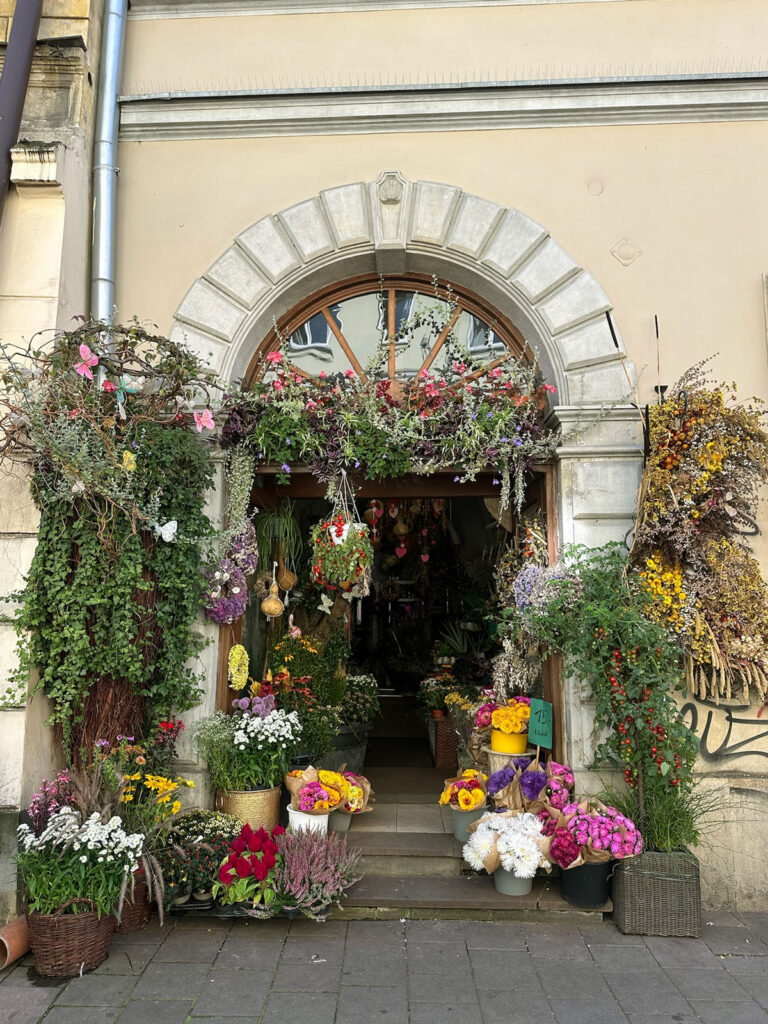
Krakow rewards getting slightly lost. A few streets off the tourist route, tucked into an arched doorway, you’ll find flower stalls like the one below — a small, genuine slice of daily Krakow life rather than a staged photo op. Fresh bouquets typically run around 15 PLN (about $4) each, cheaper than you’d expect for a European city center.
Walk Grodzka Street Toward Wawel Hill
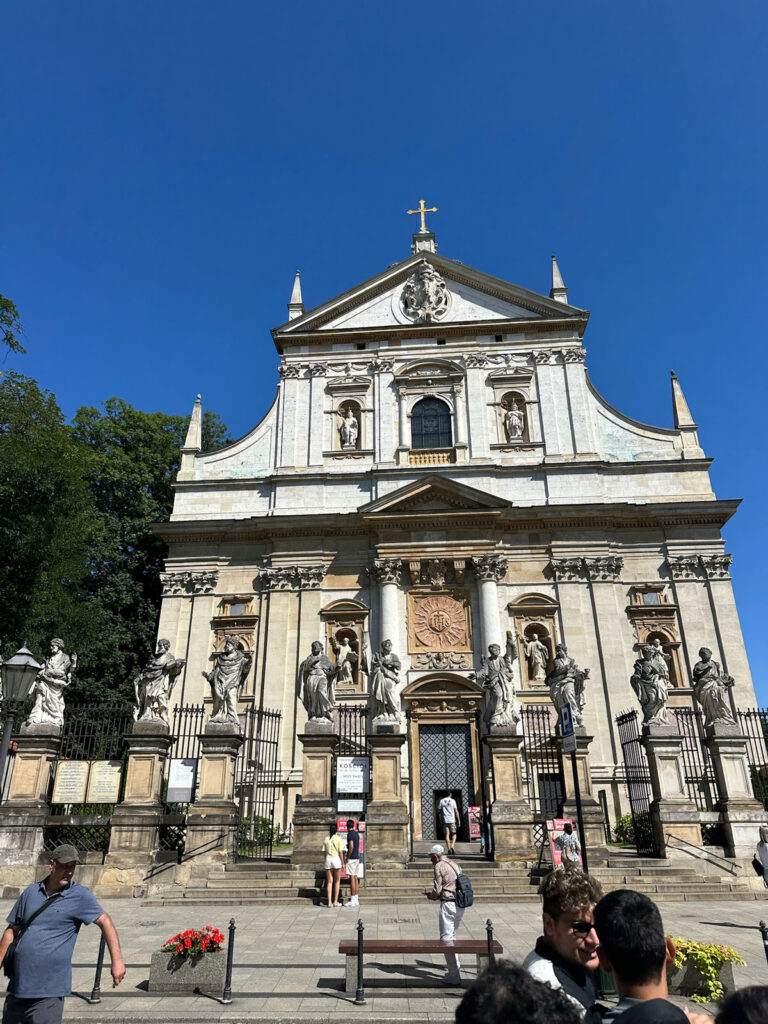
Grodzka Street is the historic route connecting the Main Square to Wawel Castle, and it’s lined with some of the city’s most significant churches. About halfway down, the Church of Saints Peter and Paul stops most people in their tracks. Built between 1597 and 1619 for the Jesuit order under King Sigismund III Vasa, it’s considered the first fully Baroque building in Krakow, modeled directly on the Church of the Gesu in Rome. Twelve stone statues of the apostles line the fence out front — Saint Matthias stands in for Judas.
Wawel Hill: Castle, Cathedral, and a Fire-Breathing Dragon
Wawel Hill has been the seat of Polish kings since the 10th and 11th centuries, and walking the grounds — the courtyards, the riverside walls, the cathedral exterior — costs nothing. It’s only the interiors that require timed tickets, and Wawel’s system can trip up first-time visitors since each exhibition is sold separately.
Read more: What to Eat in Gdańsk: Traditional Polish Food Worth Trying
Wawel Castle — What It Actually Costs
- Royal State Rooms: about 49 PLN standard / 30 PLN reduced (roughly $13.25 / $8.10)
- Crown Treasury & Armoury: about 35 PLN standard / 25 PLN reduced (roughly $9.45 / $6.75)
- Dragon’s Den entry: about 12 PLN (roughly $3.25), purchased at a machine near the cave entrance
- Walking the grounds and courtyards: free, no ticket required
Tip:
Wawel releases timed-entry tickets online about a month in advance, and the Royal Private Apartments in particular sell out fast in summer. Book ahead on the official site rather than counting on walk-up availability.
The Wawel Dragon Really Breathes Fire
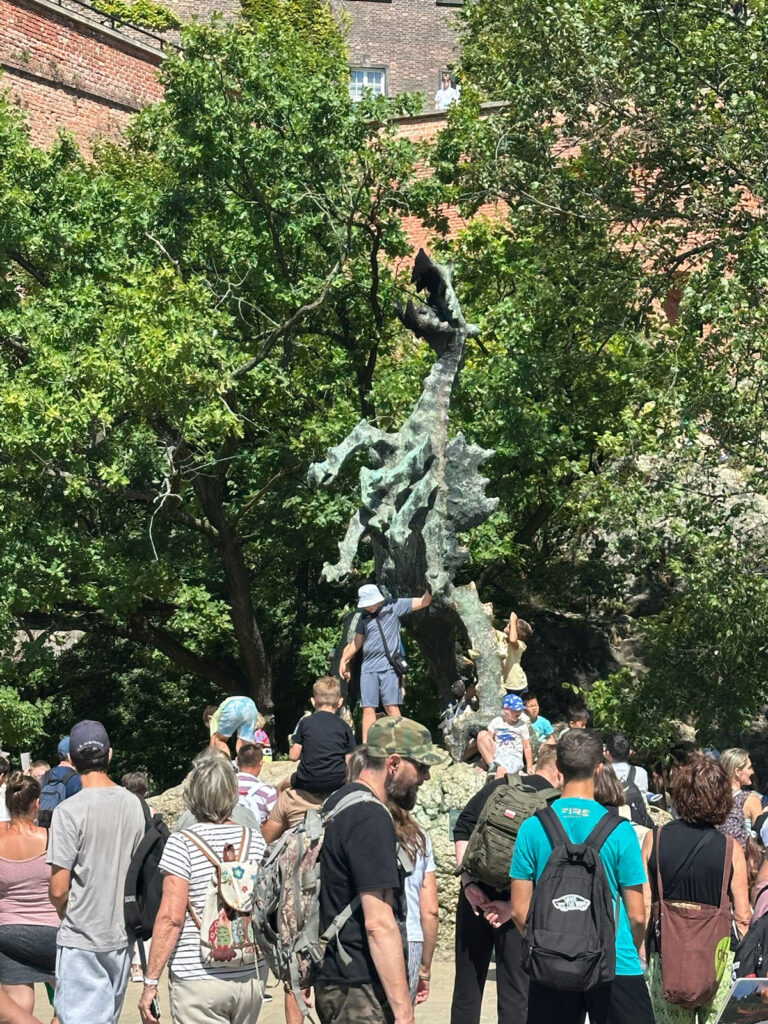
At the foot of Wawel Hill, right by the exit of the Dragon’s Den cave, stands Krakow’s most photographed statue: a 20-foot bronze dragon by sculptor Bronislaw Chromy, installed in 1972. According to legend, the dragon terrorized the city until a clever shoemaker named Skuba tricked it into eating a sulfur-stuffed sheep, which made it drink so much water from the Vistula that it burst. The statue commemorates the story literally — it’s rigged with a real natural gas line and breathes actual flame roughly every few minutes, a detail that surprises almost everyone the first time they see it.
Read more: Only a Few Hours in Warsaw? Don’t Miss These Places
See the Vistula from the Water
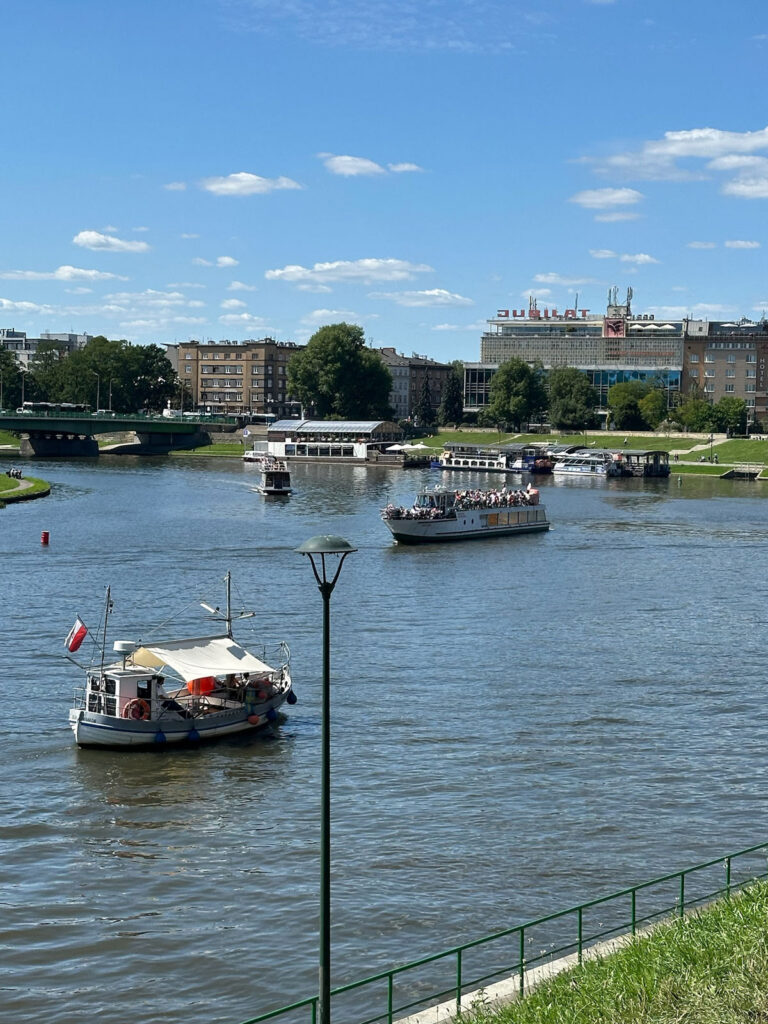
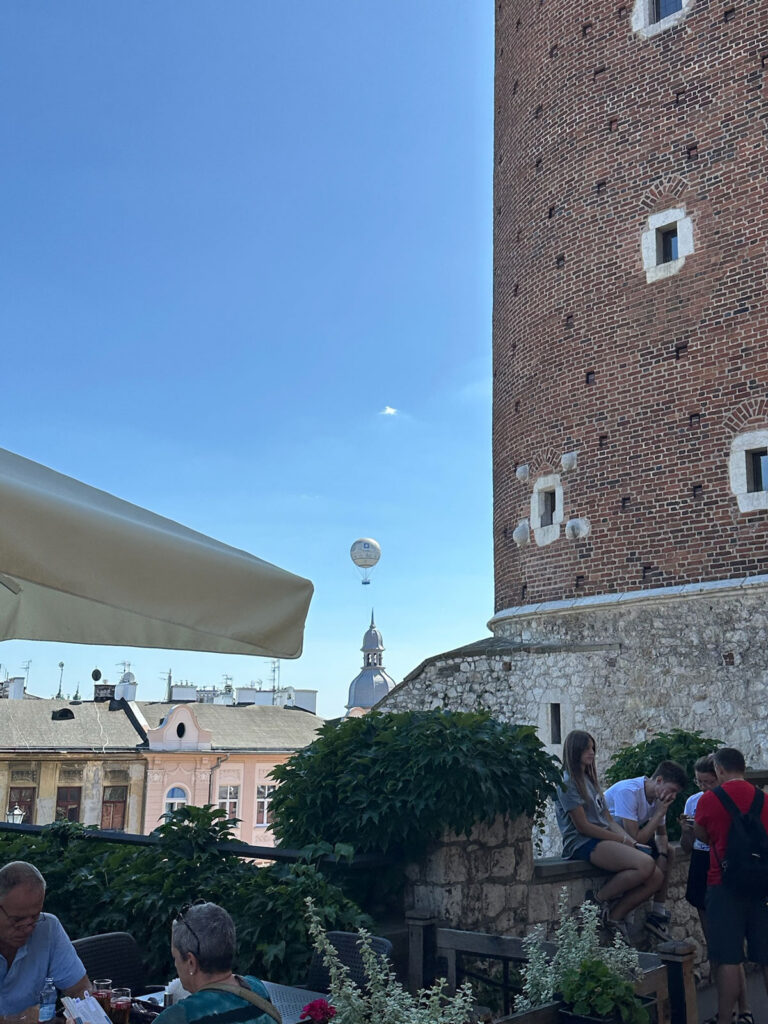
The Vistula River curves right along the base of Wawel Hill, and a short boat cruise is one of the easiest ways to see the castle from an angle most visitors never get. Passenger boats run regularly from the boulevards just below the castle walls, with basic sightseeing cruises typically running around $10–$15 per person and evening cruises with dinner or drinks running higher.
The Slowacki Theatre, a Detour Worth the Extra Steps
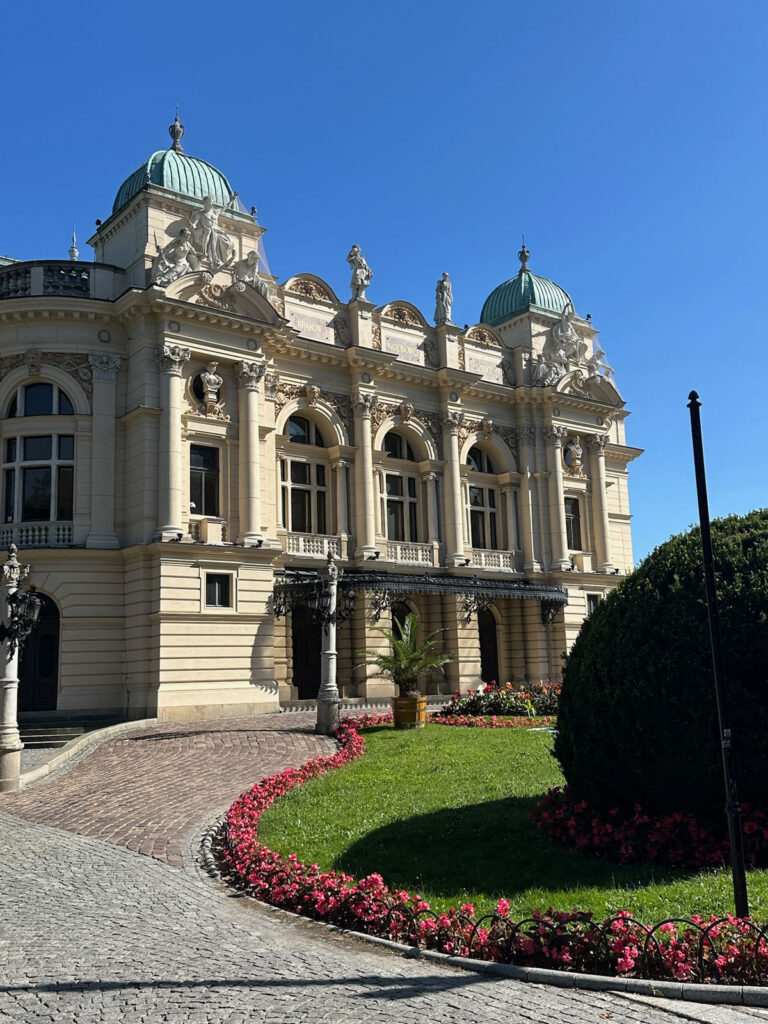
If you loop back through the Old Town rather than retracing your steps, the Juliusz Slowacki Theatre is worth the detour. Opened in 1893 and modeled directly on the Palais Garnier in Paris, it was the first building in Krakow with electric lighting and hosted Poland’s first-ever film screening in 1896, when the Lumiere brothers’ cinematograph made its Polish debut here. The building wasn’t renamed for poet Juliusz Slowacki until 1909, on the centenary of his birth — before that, locals simply called it the Municipal Theatre.
What to Bring Home: Krakow Souvenirs Worth the Suitcase Space
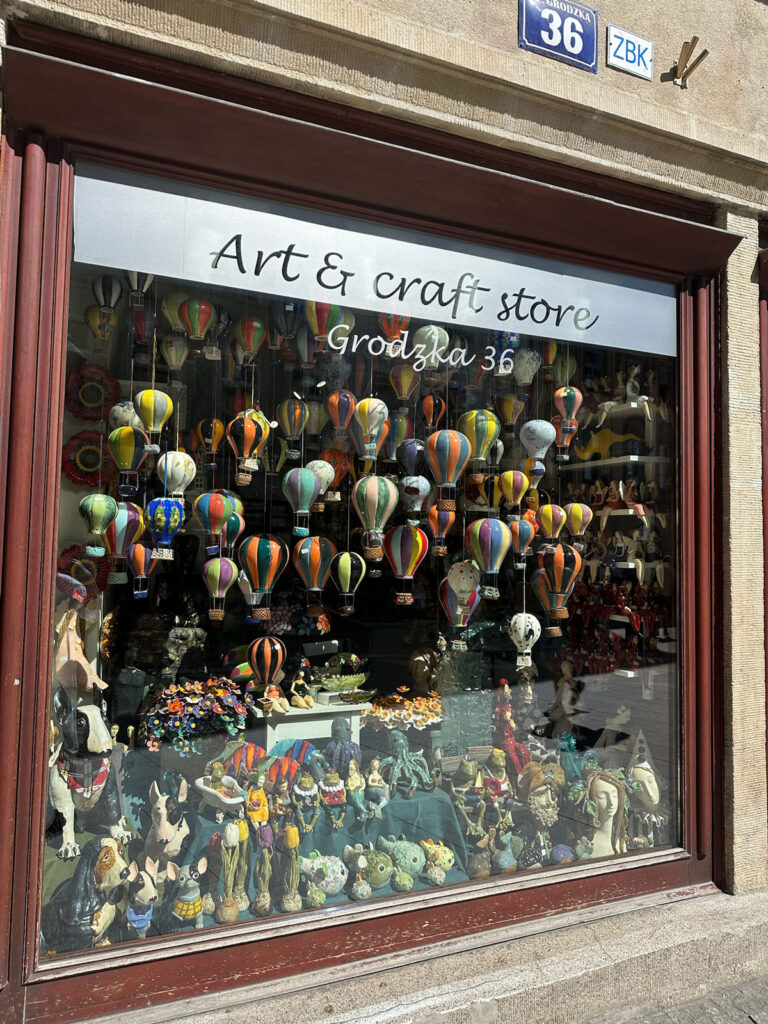
Skip the identical magnet stands lining Florianska Street if you can. A few blocks off the main drag, independent shops carry genuinely handmade work at comparable or better prices.
Coffee lovers will also spot Starbucks’ “You Are Here” mug collection in Krakow shops, with dedicated designs for both Poland and Krakow specifically. Pricing runs in zloty, with standard mugs around 69–89 PLN (roughly $18.60–$24) depending on the design and size.

Money-saving tip:
Florianska Street souvenir prices climb the closer you get to the Main Square. Walking even one block off the main route toward shops like Grodzka 36 typically saves a few dollars per item without sacrificing quality.
What to See Near Krakow: The Best Day Trips
If you have more than one day in the region, Krakow is one of the best-positioned base cities in Poland for side trips — a UNESCO salt mine, a solemn and essential historical site, and the country’s alpine gateway are all within a few hours’ round trip.
Wieliczka Salt Mine
Just 15 kilometers southeast of the city, the Wieliczka Salt Mine has been worked continuously since the 13th century and was one of the first twelve sites named to the UNESCO World Heritage List in 1978, alongside the historic center of Krakow itself. The Tourist Route descends 135 meters underground through 3.5 kilometers of chambers and tunnels, ending at the extraordinary St. Kinga’s Chapel — an entire underground church, including chandeliers, carved entirely from rock salt by miners over generations.
Wieliczka Salt Mine — What It Costs
- Tourist Route ticket: about 143 PLN standard / 121 PLN reduced (roughly $38.60 / $32.70)
- Getting there by train: regional trains from Krakow Glowny, about 25 minutes, roughly 4–6.50 PLN (about $1.10–$1.75)
- Getting there by bus: bus 304 from near Galeria Krakowska, about 40 minutes, roughly 4–6 PLN (about $1.10–$1.60)
- Good to know: it’s a constant 57°F (14°C) underground year-round — bring a light layer even in summer
Tip:
A visit without a guide isn’t an option — every ticket includes a guided tour. Booking online a few days ahead is worth it in summer, when time slots can sell out.
Auschwitz-Birkenau Memorial and Museum
About 70 kilometers west of Krakow, near the town of Oswiecim, Auschwitz-Birkenau is the site of the largest Nazi concentration and death camp of World War II, where more than a million people were murdered. It’s now a memorial and museum, and for most Americans visiting Poland, it’s one of the most important stops in the entire trip — a place that asks for quiet, time, and respect rather than a rushed itinerary slot.
Auschwitz-Birkenau — What It Costs
- General admission: free
- Guided tour with an official museum educator: about 150 PLN for an English-language tour (roughly $40.50)
- Getting there: train from Krakow Glowny to Oswiecim, about 1.5 hours; organized tours with round-trip transport from Krakow are widely available and typically run a full day
- Booking: as of 2026, all individual entries must be reserved online in advance — on-site ticket purchase is no longer available
Good to know:
the museum does not recommend visiting with children under 14, and it’s worth setting aside a full day, not a quick stop, given the size of the site and the nature of the visit.
Read more: Gdansk Travel Guide 2026: What to See, Eat, and Skip
Zakopane and the Tatra Mountains
For a complete change of pace, Zakopane sits roughly 105–110 kilometers south of Krakow at the foot of the Tatra Mountains, Poland’s only true alpine range. It’s been drawing visitors since the 19th century for its distinctive wooden highland architecture, mountain hiking, and Goral (highlander) culture, and it’s do-able as a long day trip, though a two-day trip gives it more room to breathe.
Zakopane — What It Costs
- Bus from Krakow’s main bus station: about 15–40 PLN one-way (roughly $4–$11), 2–3 hours depending on traffic
- Train from Krakow Glowny: about 22.50–75 PLN one-way (roughly $6–$20) depending on train type, 2.5–4 hours
- Once there: the Gubalowka cable car offers panoramic Tatra views, and the hike to Morskie Oko lake is the signature outing for stronger walkers
Tip:
If you’re set on reaching Morskie Oko lake as a day trip from Krakow, plan to leave the city by 7am — it’s doable, but tight, and the train or bus schedule leaves little room for a late start.
Where to Stay: A Practical Option Near the Airport
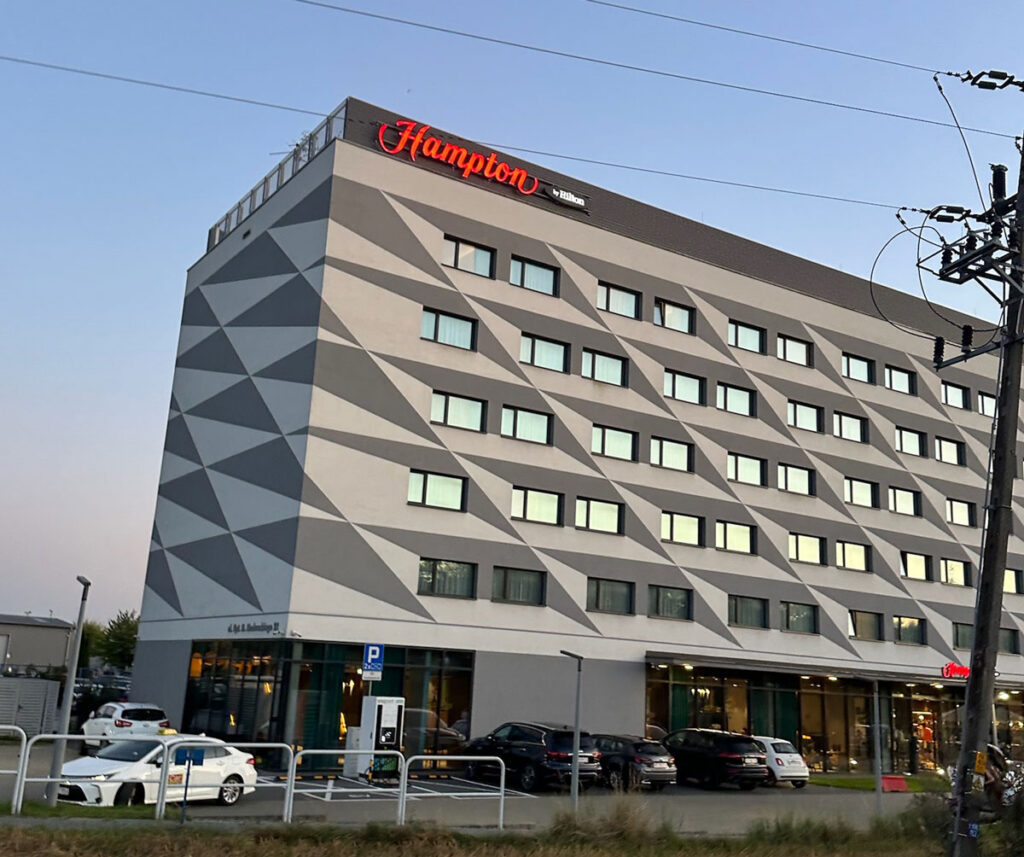
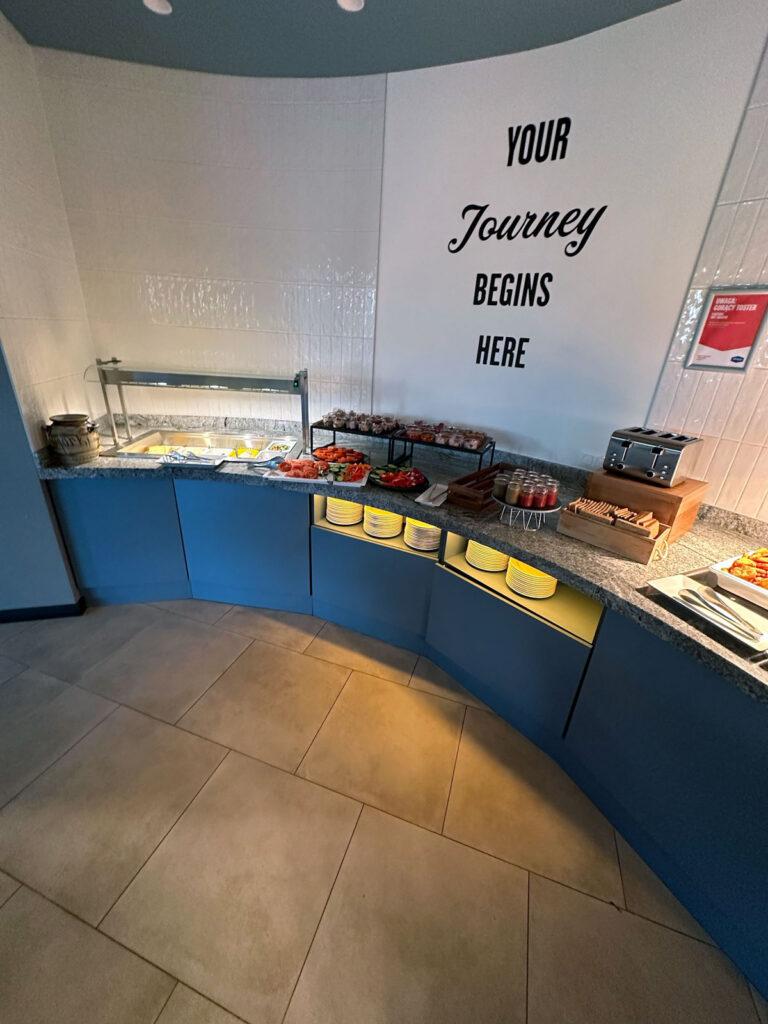
If your flight schedule means an early departure or a late arrival, staying near Krakow’s John Paul II Airport rather than downtown can save real time. A Hampton by Hilton location near the airport offers straightforward, modern rooms with a full breakfast buffet included — a solid choice for a short stay when you don’t need to be based in the Old Town itself.
Booking a place to stay in Krakow? Whether you’re basing yourself in the Old Town or near the airport for an early flight, it’s worth comparing rates before committing. Booking.com’s travel deals regularly discount hotels in Krakow by up to 20% off, and it only takes a couple of minutes to check rates for your dates before you lock anything in.
A Sample One-Day Krakow Itinerary
- MORNING: Start at the Barbican, walk Florianska Street to the Main Square before the crowds build
- LATE MORNING: Explore the Cloth Hall, see the Adam Mickiewicz Monument, catch the hejnal trumpet call on the hour
- MIDDAY: Walk Grodzka Street toward Wawel, stopping at the Church of Saints Peter and Paul
- AFTERNOON: Explore Wawel Hill, book a timed ticket for the State Rooms or Treasury if desired, see the Dragon’s statue breathe fire
- LATE AFTERNOON: Walk the Vistula boulevards or take a short river cruise, then loop back past the Slowacki Theatre
Read more: What It’s Really Like Flying Condor Business Class
Money-Saving Tips for a Krakow Visit
- Walk the Wawel grounds for free. The courtyards, riverside walls, and cathedral exterior cost nothing — only the interior exhibitions require a ticket.
- Book Wawel tickets online in advance. Popular timed-entry exhibitions like the Royal Private Apartments sell out days ahead in summer.
- Shop a block off Florianska Street. Souvenir prices drop noticeably once you’re away from the direct Barbican-to-square route.
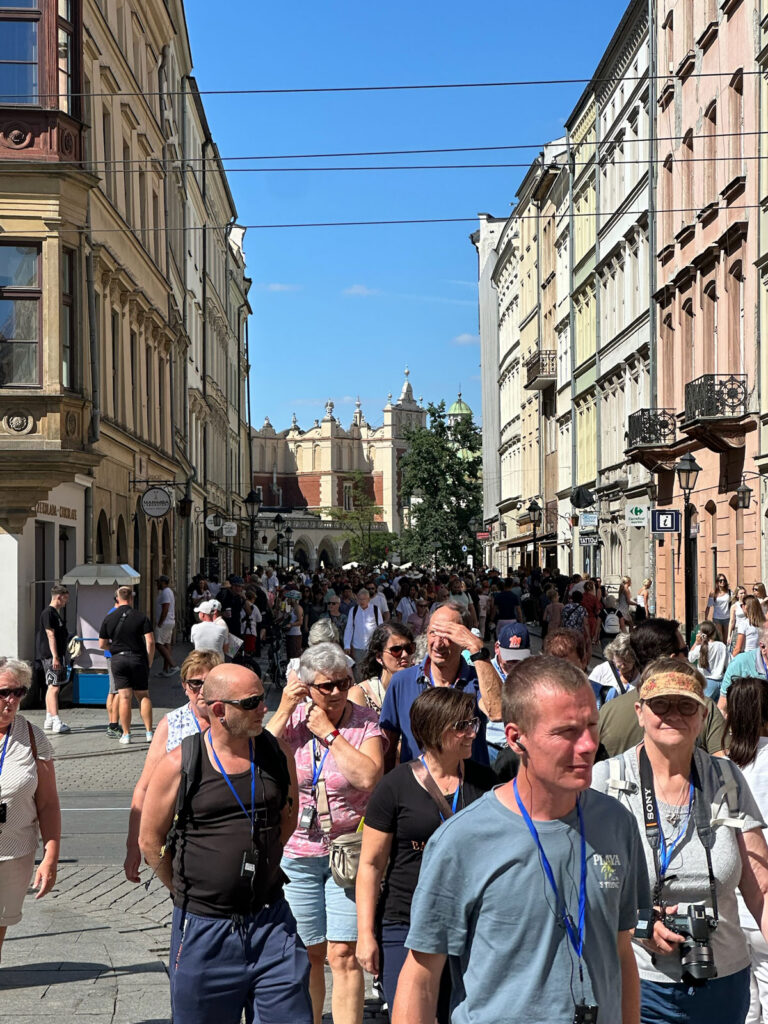
- Go early for photos. Florianska Street and the Main Square fill with tour groups by mid-morning — arriving before 9am gets you a genuinely different experience.