

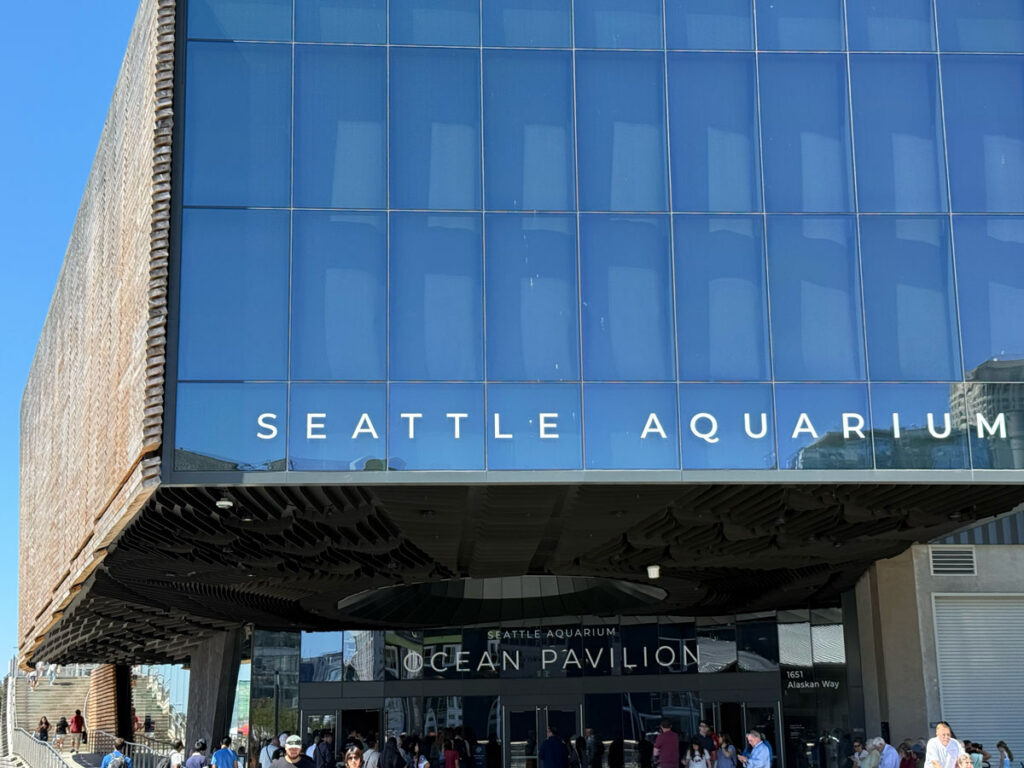
The aquarium sits at Pier 59 on Elliott Bay, a ten-minute walk from Pike Place Market down the waterfront. It’s been here since 1977, and a major new Ocean Pavilion opened in 2023, more than doubling the footprint. On a clear day, the views of Puget Sound through the exhibit windows are genuinely as good as the marine life itself. On a rainy day — which is often — it’s one of the better ways to spend three hours in Seattle without feeling like you’re just killing time.
Before You Go
LOCATION
1483 Alaskan Way, Pier 59
Seattle, WA 98101HOURS
Daily 9:30 AM – 6:00 PM
(last entry 5:00 PM)ADMISSION
Adults from ~$45
Kids (3–12) from ~$30TIME NEEDED
2–3 hours to see everything comfortablyPARKING
Pier lots nearby; Link Light Rail (University St) is easier
BEST FOR
All ages; rainy-day escape; families with kids under 12
Read more: Seattle Travel Guide: The Perfect Adventure in the Emerald City
The aquarium flows somewhat naturally from the entrance toward the water, but there’s no strict route you have to follow. Here’s the breakdown of what to expect in each area.
The Entrance Hall
The lobby sets the tone — a vaulted space with natural light, gift shop on the right, and the first tank visible straight ahead. Orientation is intuitive: staff post themselves near the entry for the first hour to help with flow. If you’re here with kids, grab a scavenger hunt sheet at the desk. They’re free and genuinely add something to the experience, even for older children.
The Jellyfish Tunnel
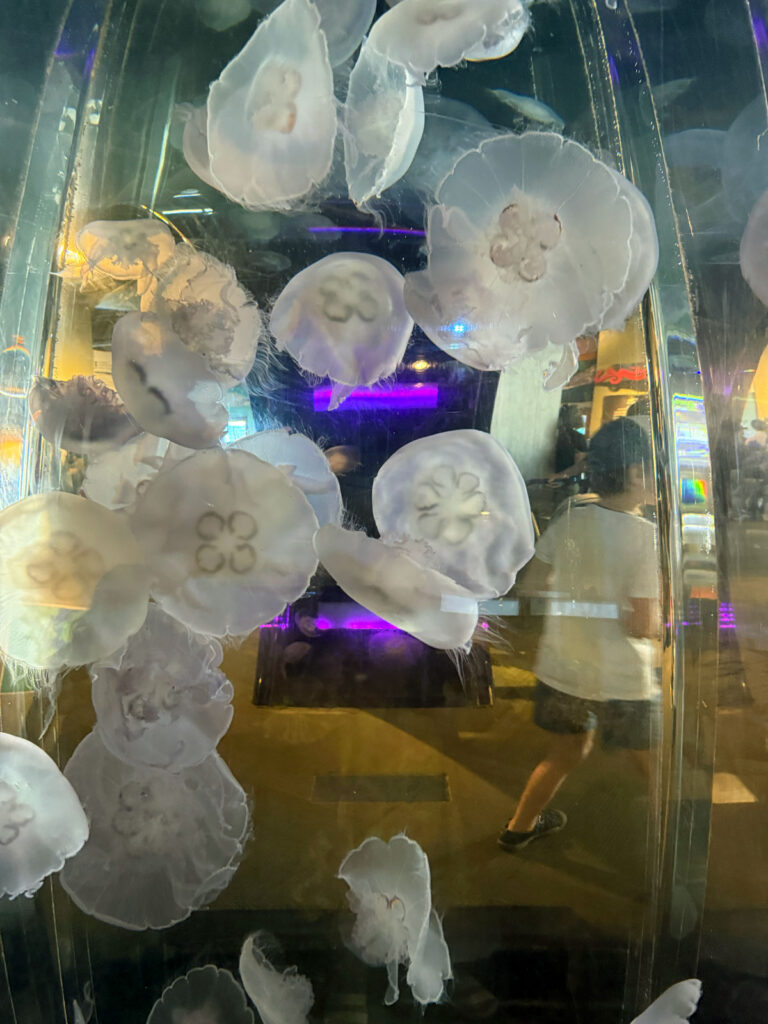
This is the moment most people photograph and then keep thinking about afterward. Moon jellyfish fill the cylindrical tank above and around the tunnel walkway, moving with that characteristically slow, pulsing rhythm in water the color of deep ocean. The lighting shifts subtly as you walk through. Spend time here — the temptation is to move fast, but slowing down makes the difference between a photo and a memory.
Giant Pacific Octopus
The GPO exhibit is one of the aquarium’s marquee attractions, and for good reason. Giant Pacific octopuses are the largest octopus species on the planet, and the aquarium has one of the best viewing setups you’ll find anywhere — the tank curves to put you close enough to see the texture of the skin. They’re most active in the mornings. Feeding happens at set times (check the daily schedule board at the entrance), and it’s worth timing your visit around it if you can.
Tide Pool Touch Tank
The touch tank draws the biggest crowds of any single spot in the aquarium, consistently. Sea stars, hermit crabs, anemones, and sea urchins are all accessible — staff naturalists stand at the edges to answer questions and help kids interact safely. It’s louder here than anywhere else in the building, and you’ll wait your turn during peak hours. Come at opening or after 4 PM and it’s noticeably calmer. Either way, it’s one of the better hands-on wildlife experiences in the Pacific Northwest without needing to drive anywhere remote.
Read more: A Day at Boeing Future of Flight: Plan the Perfect Visit
Window on Washington Waters
This is the anchor tank — a 120,000-gallon habitat representing Puget Sound’s cold-water ecosystem. Lingcod, wolf eels, rockfish, and a rotating cast of Pacific Northwest marine species move through it at all depths. There’s a diver presentation twice daily where staff enter the tank and describe the animals in real time. It’s more educational than theatrical, which is a good thing. The tank is visible from multiple levels, and the ground-floor angle is the most dramatic.
Sea Otter Habitat
The otters have always been the sentimental center of the aquarium, and the expanded habitat gives them considerably more room than the old setup. Both southern sea otters are rescue animals — neither could survive in the wild — and the aquarium is transparent about their backstories. They’re most active during feeding, which happens three times daily. Outside of feeding windows, they tend to float, groom, and generally be photogenic without doing much. Still worth seeing.
The Ocean Pavilion
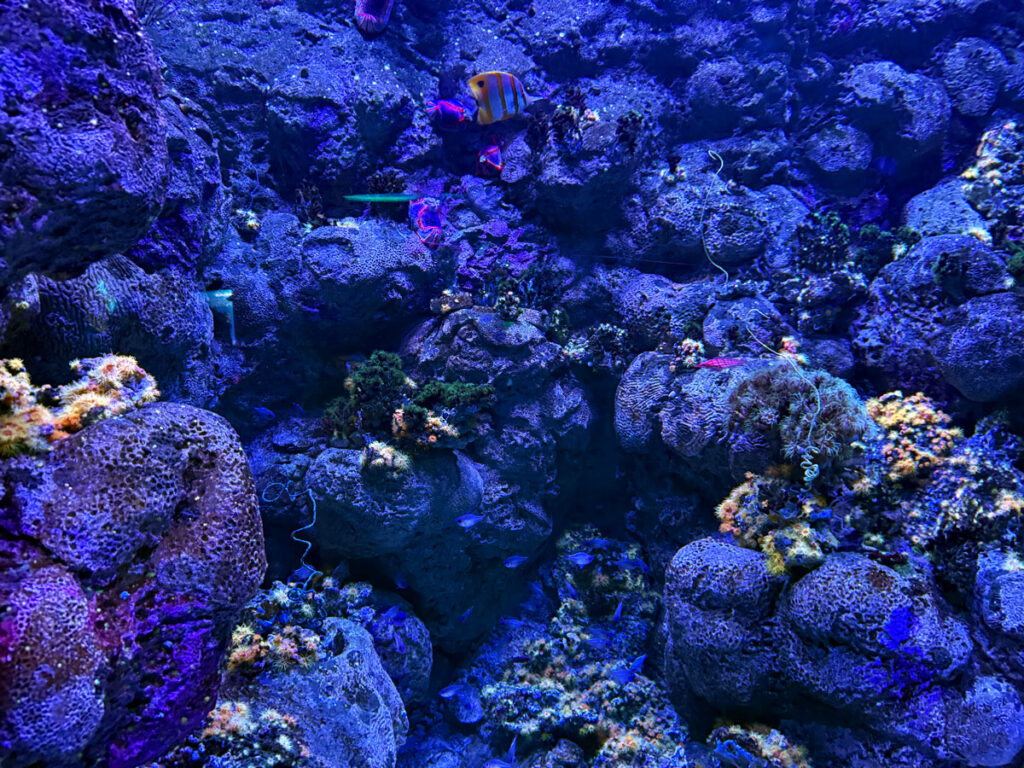
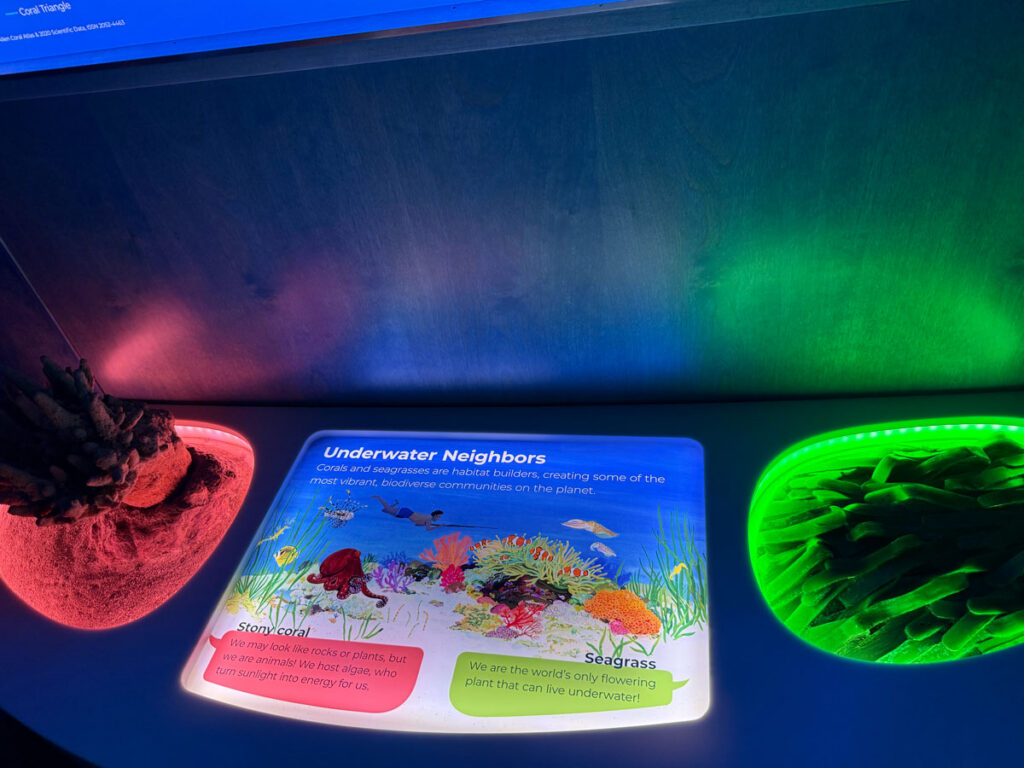
The new Ocean Pavilion more than doubled the aquarium’s square footage and brought in species and ecosystems that weren’t part of the original building. The expansion centers on warmer-water habitats — tropical coral reefs, open-ocean pelagic species, and a dedicated shark and ray gallery.
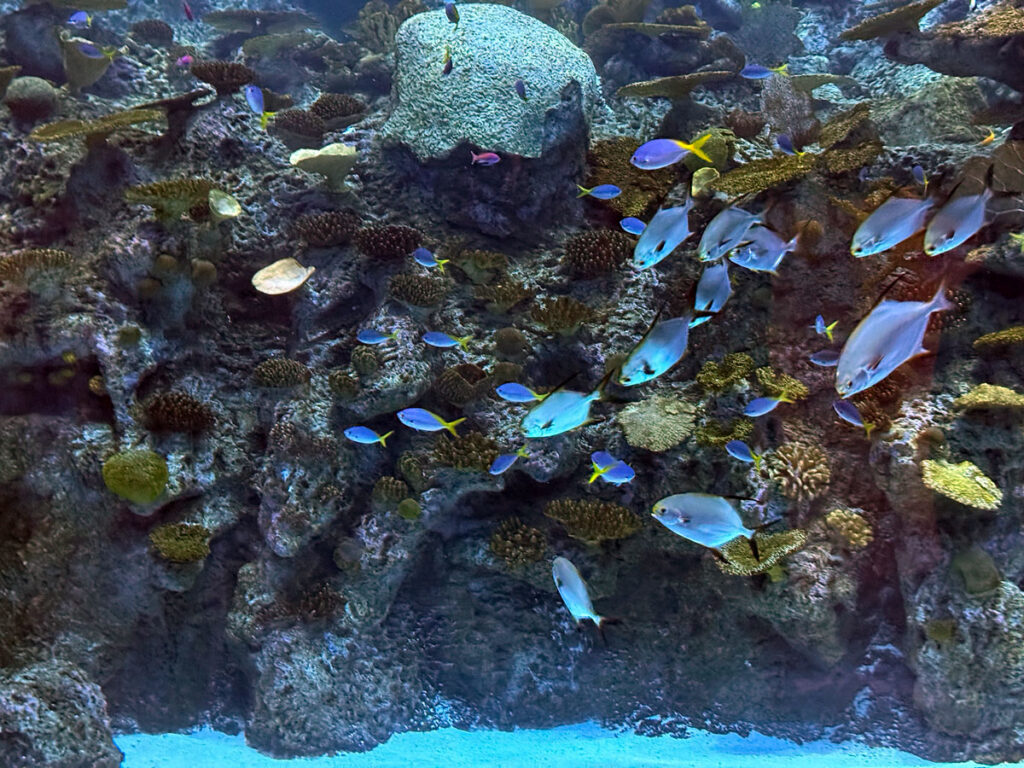
The reef tank in the pavilion is the largest in the Pacific Northwest, with live coral and a genuinely impressive density of fish. It’s visually different from the rest of the aquarium — brighter, warmer-toned, louder — and the contrast with the cooler Puget Sound exhibits is intentional. The aquarium designed it that way to underscore how different ocean environments actually are from each other.
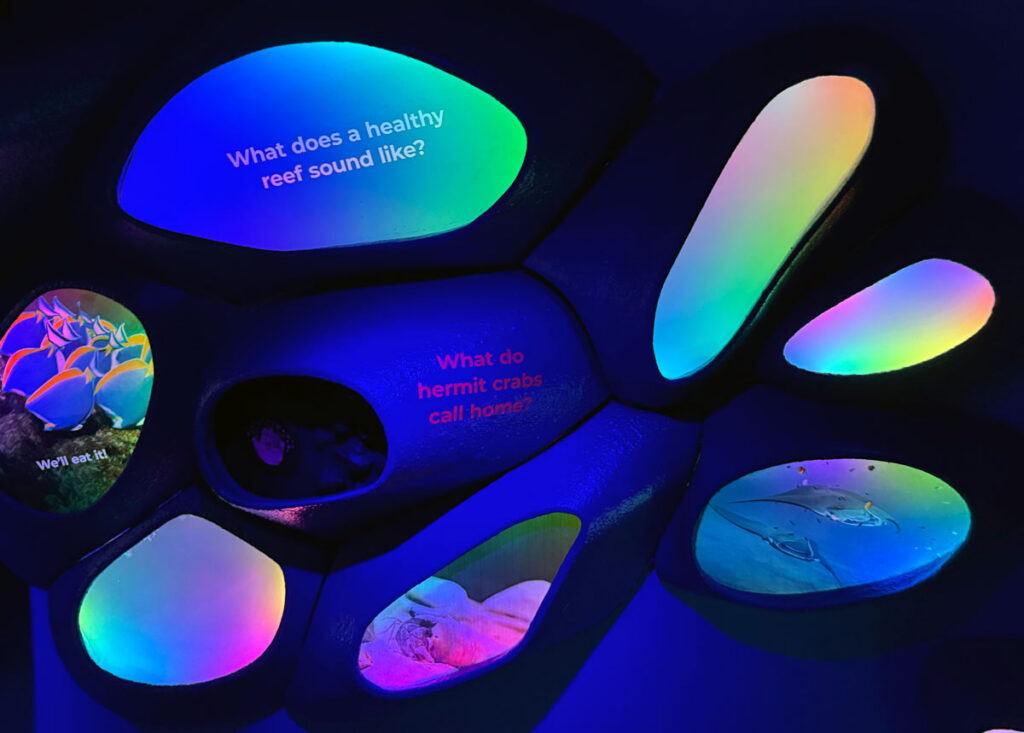
The shark gallery is smaller than the name implies — this isn’t Georgia Aquarium — but the species on display are well-chosen, and the tank allows close viewing at eye level. It’s one of the areas where the newer architectural decisions really show: better sightlines, better lighting, and more interpretive panels that don’t feel like they were written for a school field trip.
What to Know Before You Arrive
The aquarium is one of Seattle’s most visited attractions, and it shows in the crowd dynamics. A few things that make a real difference.
Tips That Actually Help
- Buy tickets online. Walk-up lines at the entrance can run 30–45 minutes on weekends and any day in summer. The online ticket queue is separate. It takes five minutes and there’s no upcharge.
- Go on a weekday morning. The aquarium opens at 9:30 AM and the first two hours are noticeably quieter — especially at the touch tank and otter habitat. School groups typically arrive around 10:30.
- Check the feeding schedule. Posted at the entrance and on the website. The GPO feeding and the diver presentation in the main tank are worth planning around. They’re not long, but they change the exhibit entirely when they’re happening.
- Discount Tickets via CityPass Seattle
The Seattle Aquarium is included in the Seattle CityPass, which also covers the Space Needle, Chihuly Garden and Glass, Woodland Park Zoo, and several other attractions. If you’re hitting two or more major sites in the same trip, it saves up to 49% on admission. Compare the pass options at CityPass before purchasing anything at the door.

- The waterfront walkway connects to Pike Place. Build in time to walk north toward the market after your visit — it’s about 15 minutes, mostly flat, and the waterfront views are part of the experience. Stop at the outdoor pier area of the aquarium itself before you leave; the Elliott Bay view is free once you’re inside.
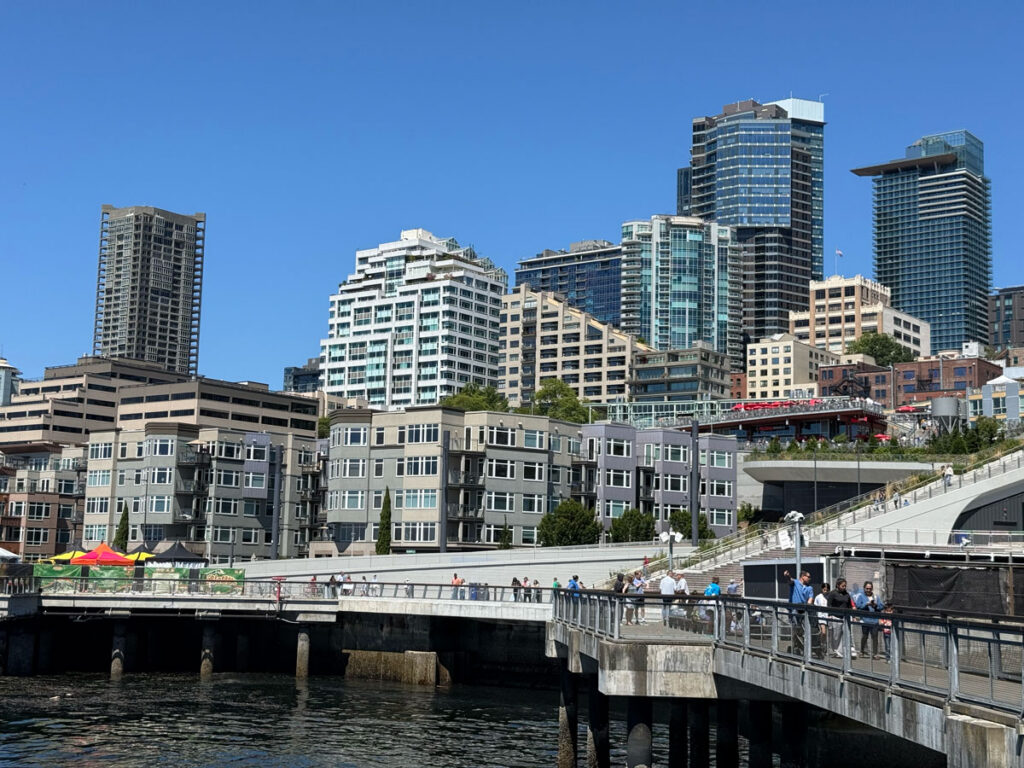
- Parking is expensive and limited. The Link Light Rail drops you at University Street Station, about a 10-minute walk to the pier. It’s the easiest option if you’re coming from Capitol Hill, the airport, or anywhere along the line.
- The café is fine but not a destination. There are significantly better lunch options within a five-minute walk — Pike Place itself, the waterfront, or Westlake. Grab something before or after rather than relying on the in-house food.