
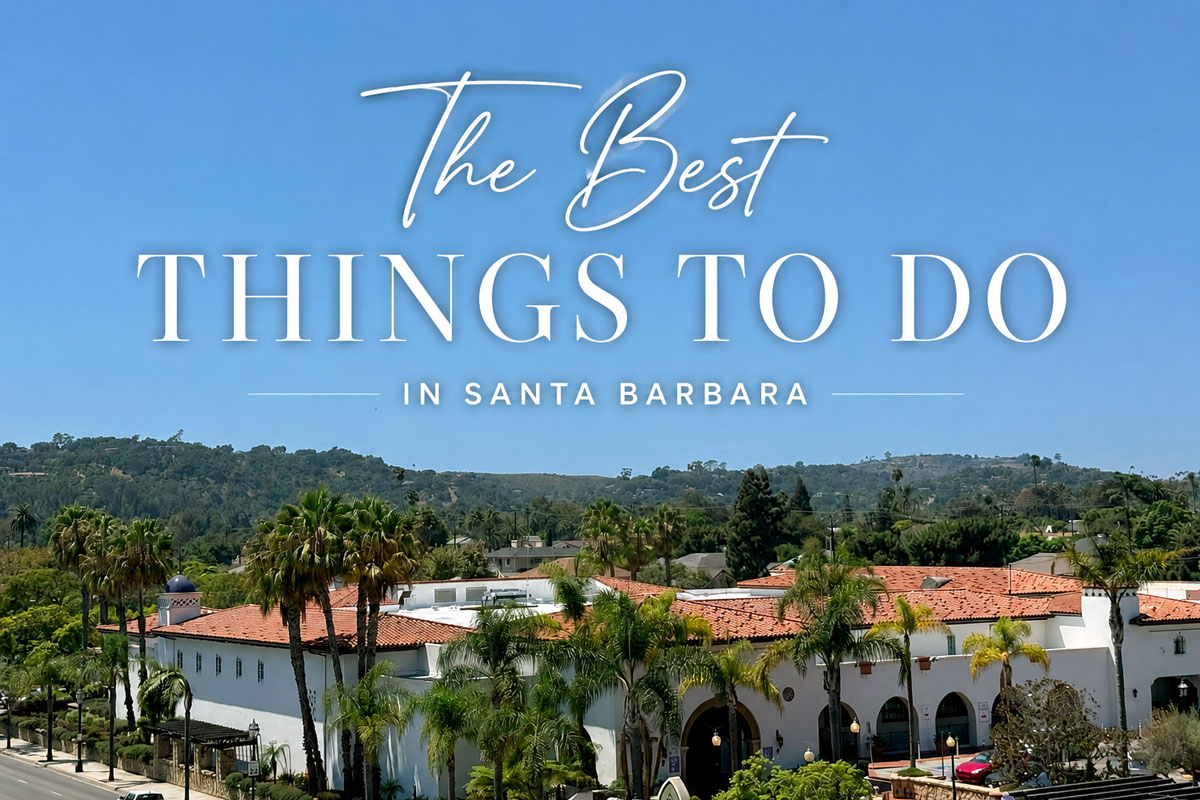
Santa Barbara markets itself as the “American Riviera,” and for once the tourism-board nickname undersells it a little. This is a city with genuine, documented history — a mission founded in 1786 that’s never once changed hands, a wharf built before Yellowstone became a national park, and a downtown courthouse regularly cited as the second-most-photographed building in the country after the White House. It’s also small enough to see most of it on foot or by trolley in a long weekend, with the Santa Ynez Mountains rising directly behind downtown and the Pacific a few blocks in front of it. Here’s what’s actually worth doing, based on real prices and a firsthand walk through town.
Santa Barbara at a Glance
- Best for: 2–3 days, longer if you want to add wine country day trips
- Where it happens: State Street downtown, the waterfront at Stearns Wharf, and the Mission/Botanic Garden area just north of downtown
- Getting around without a car: The Downtown-Waterfront Shuttle ($0.50/ride, $1 day pass) and the narrated Santa Barbara Trolley Company tour ($1 city shuttle is separate from the paid 90-minute tour)
- Best time to visit: Late spring for wildflowers at the Botanic Garden; September–October for the warmest, driest weather and thinner crowds
- Realistic daily budget: $70–120 per person for food, one paid attraction, and local transit, not counting lodging
Old Mission Santa Barbara: The “Queen of the Missions”
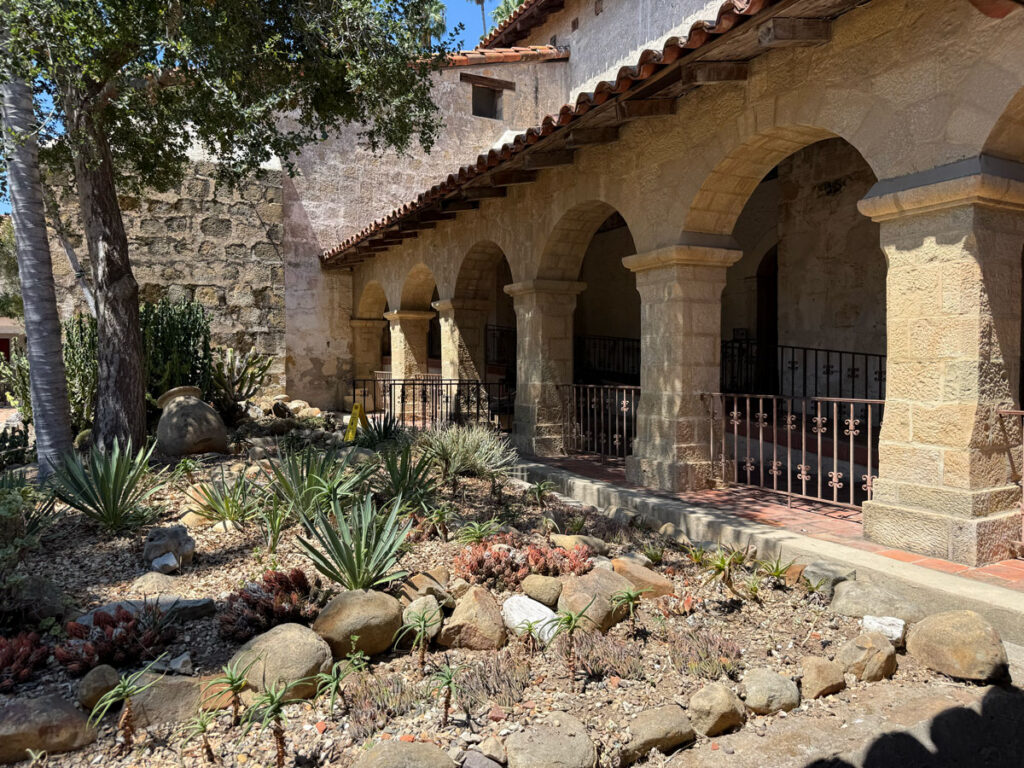
Start here, because everything else in Santa Barbara is arguably downstream of this building. Founded on December 4, 1786, by Spanish Franciscans under Father Fermín Lasuén, Mission Santa Barbara was the tenth of California’s 21 missions — and it’s the only one that has been continuously operated by Franciscan friars since its founding, without interruption. That’s earned it the nickname “Queen of the Missions.”
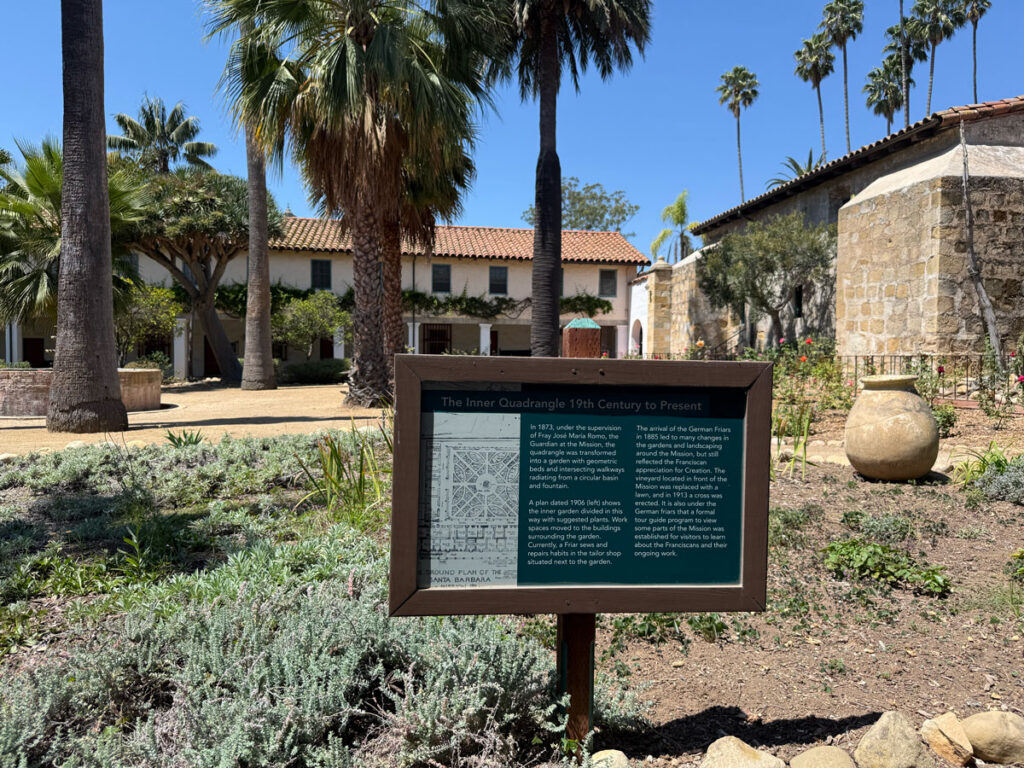
The building you see today isn’t the original. Earthquakes destroyed earlier adobe structures in 1812, and the stone church standing now was completed in 1820, its distinctive twin bell towers (the second one added in 1831) modeled loosely on a Roman temple — a genuinely unusual choice among the California missions, most of which stuck to simpler Spanish Colonial designs. A second major earthquake in 1925 damaged the building again, requiring extensive rebuilding.
Read more: Best Free Things to Do in San Francisco + Attractions Worth Paying For
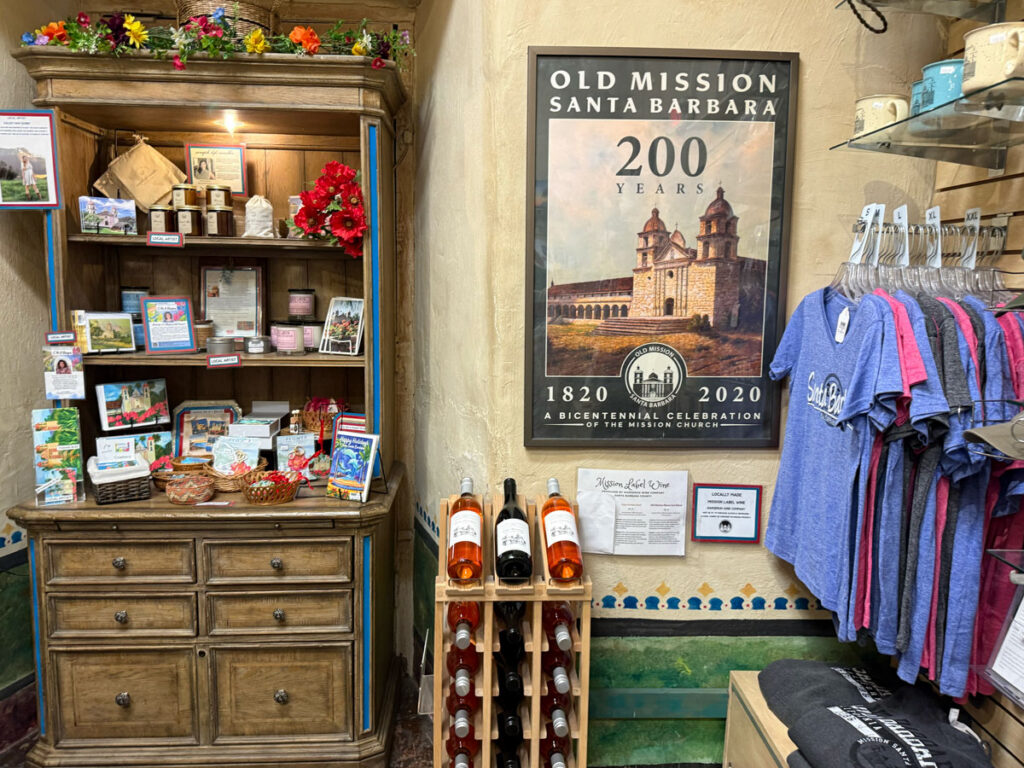
General admission runs around $17 and includes a self-guided or audio tour through the 1820 church, the inner garden, the historic cemetery, and a nine-room museum with an especially detailed exhibit on the Chumash people who were compelled to build and work at the mission. Docent-led tours run on a more limited schedule (Monday–Friday at 11 a.m., Saturday at 10:30 a.m., Sunday at 12:30 p.m., first-come-first-served, capped at 20 people).
Tip:
Cross the street after your visit to the A.C. Postel Memorial Rose Garden, a free public garden with more than 1,500 rose plants and one of the best photo angles of the Mission’s twin towers, framed by the Santa Ynez Mountains behind them.
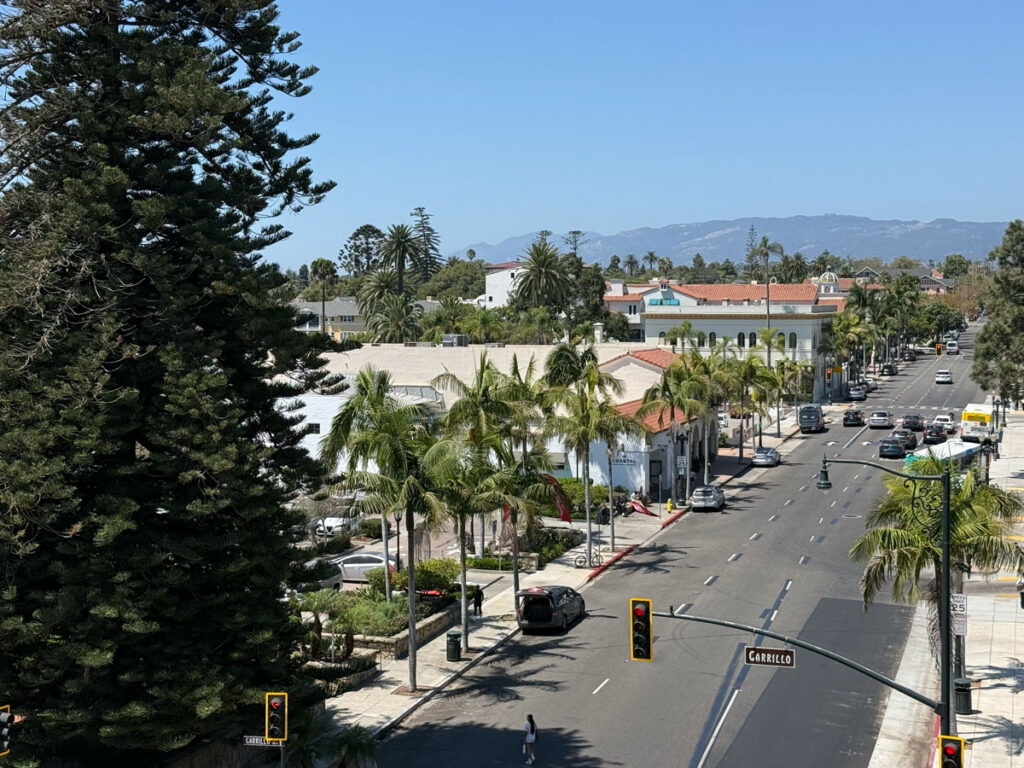
Santa Barbara Botanic Garden
A short drive or trolley ride from the Mission, the Santa Barbara Botanic Garden is the first botanic garden in the country dedicated exclusively to native plants — 78 acres and nearly 6 miles of trails through eleven distinct habitat zones, from a redwood grove to an arid desert planting, all within a few minutes of downtown.
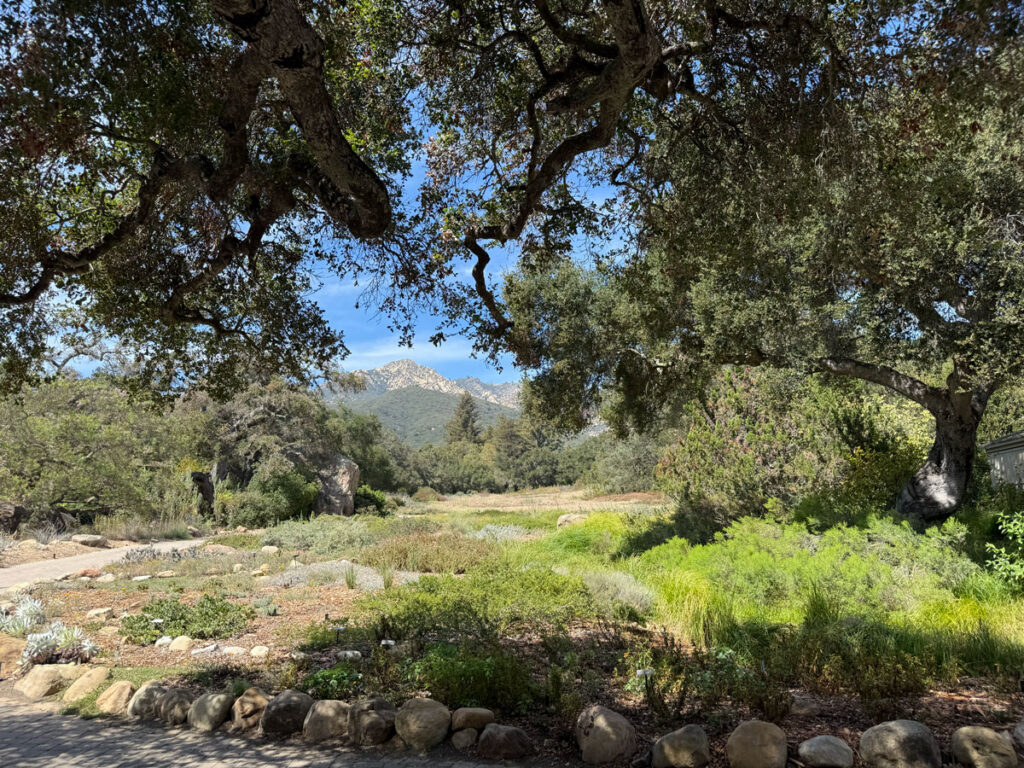
The garden’s centerpiece is a native meadow that, in spring, fills with California poppies and wildflowers against a backdrop of the Santa Ynez Mountains — and its Mission Dam, built in 1806 by Chumash laborers under the direction of mission padres to supply water to Mission Santa Barbara, still stands along one of the trails as one of the oldest surviving structures of its kind in the state.
Read more: San Francisco Bay Cruises: Prices, Best Tours & What’s Worth It
Regular admission runs $23 for adults, $18 for seniors, military, and students, and $14 for youth ages 3–12 (children under 3 are free); pricing shifts slightly during the March–May peak wildflower season. Reservations are required for all visitors, including members, and can be booked up to three months ahead — book early if you’re planning an April or May visit, when spring wildflowers draw the biggest crowds.
Tip:
Leashed dogs are not just allowed at the Botanic Garden, they get free admission — a rarity among gardens of this caliber.
Stearns Wharf and the Waterfront
At the foot of State Street, Stearns Wharf has been Santa Barbara’s connection to the sea since 1872, when local lumberman John Peck Stearns built it with financial backing from Colonel William Welles Hollister. At completion, it was the longest deep-water pier between Los Angeles and San Francisco, ending the town’s long isolation by mountains and ocean. Today it holds the title of the oldest continuously working wooden wharf in California — 2,300 feet long, supported by 2,307 pilings, and still standing after fires in 1925 and 1973 and a major storm in 1878 that washed away 1,000 feet of decking.
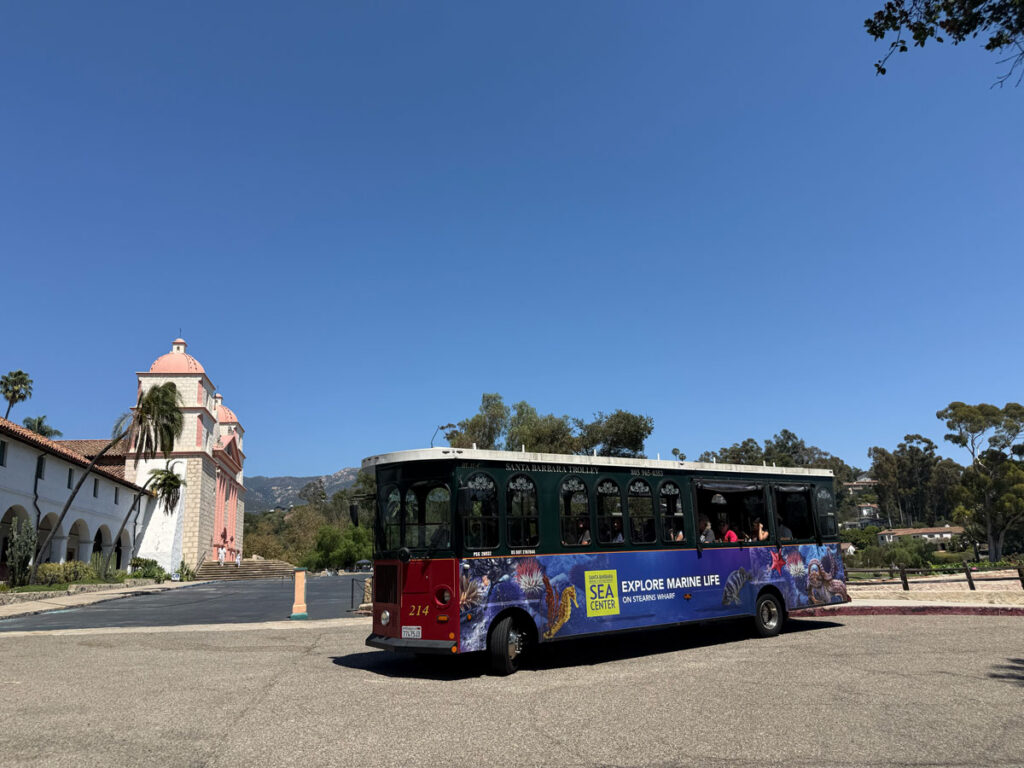
The wharf’s Sea Center, an extension of the Santa Barbara Museum of Natural History, offers hands-on marine life exhibits, and the wharf itself is lined with restaurants, a shellfish market, and shops — genuinely worth the walk out even if you don’t spend money at the end of it, just for the view back at the mountains rising behind downtown.
State Street: Shopping, Courthouse, and the Funk Zone
State Street is Santa Barbara’s main downtown corridor, running from the courthouse down to the wharf, lined with boutiques, restaurants, and the open-air Paseo Nuevo shopping center. The Santa Barbara County Courthouse, a few blocks up, is frequently cited by local tour guides as the second-most-photographed building in the country after the White House — a striking Spanish Colonial Revival building worth the short detour even if you’re not shopping.
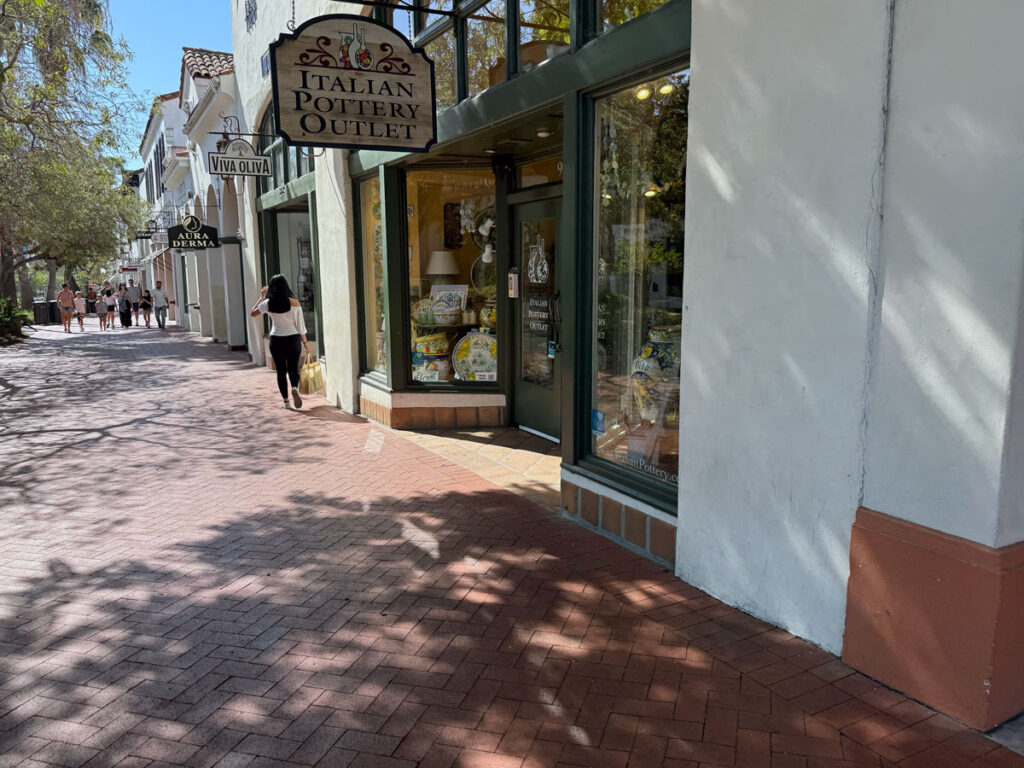
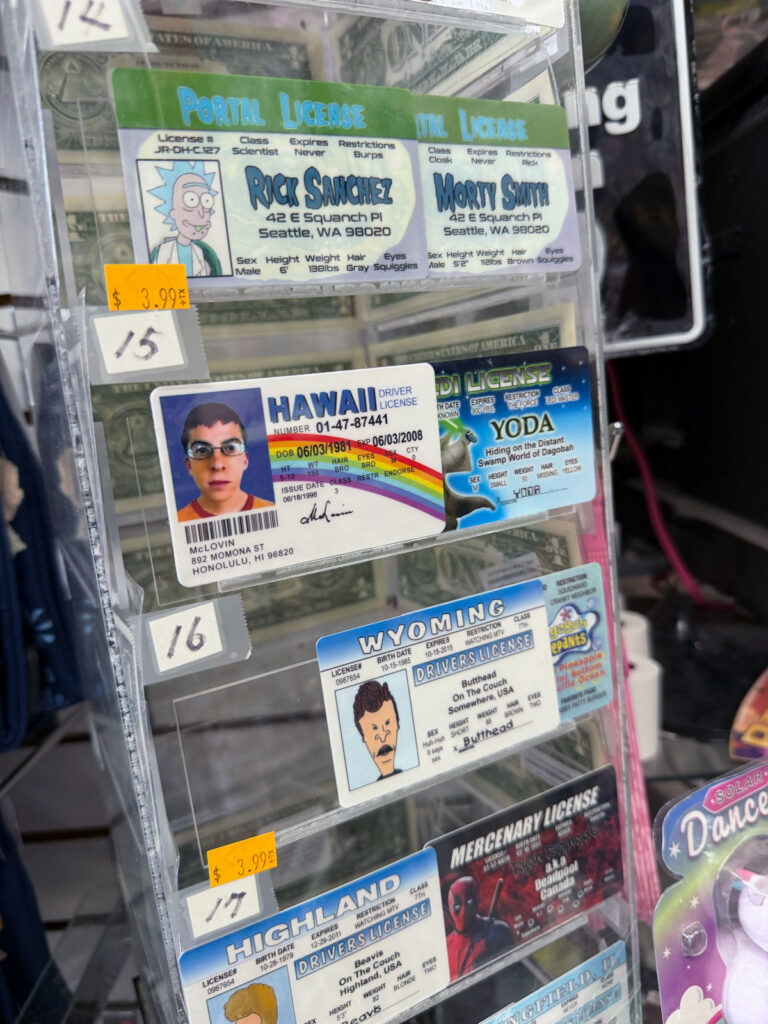
Small specialty shops are part of what makes State Street worth a slow walk rather than a quick pass-through — olive oil tasting rooms, an Italian pottery outlet, and (for a lighter note) novelty shops selling the kind of joke merchandise that’s become an unofficial only-in-a-beach-town tradition.
Budget tip:
Show a Santa Barbara Trolley Company ticket receipt at several State Street shops and attractions for small discounts — the trolley company maintains partner deals with the Historical Museum, Botanic Garden, and a handful of retail stores, often worth more than the ticket itself over the course of a day.
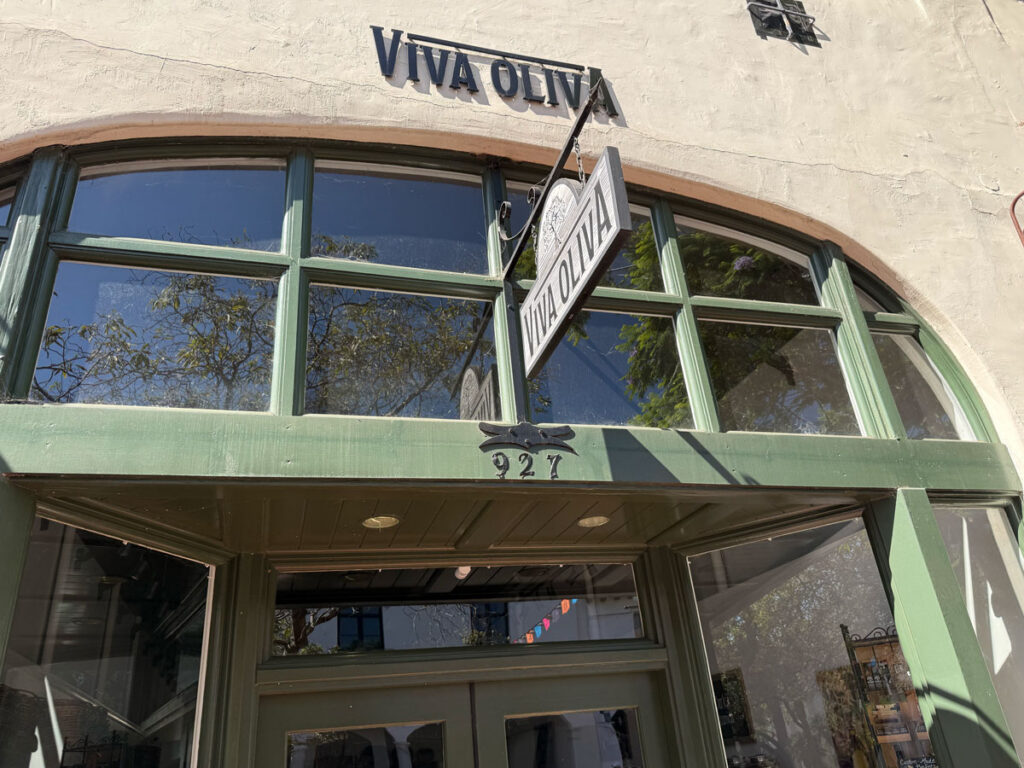
South of State Street toward the water, the Funk Zone is Santa Barbara’s arts-and-wine district — converted warehouses now holding tasting rooms, breweries, and galleries, a good stop between the wharf and downtown proper.
Read more: Catalina Island Travel Guide 2026
Booking a Santa Barbara stay? Booking.com discount: up to 20% off travel deals at Booking.com is worth checking before you commit, since rates swing noticeably by season and neighborhood here — comparing a few dates before booking takes just a couple of minutes.
The Beaches
Santa Barbara has four major beaches, each with a slightly different personality. East Beach, the largest and most popular with both locals and visitors, is known for volleyball (including professional tournaments), paddle sports, and sweeping views back toward the mountains. Leadbetter, Arroyo Burro, and West Beach round out the rest, with Butterfly Beach — just outside the city in Montecito — known as a favorite sunbathing spot among the well-off.
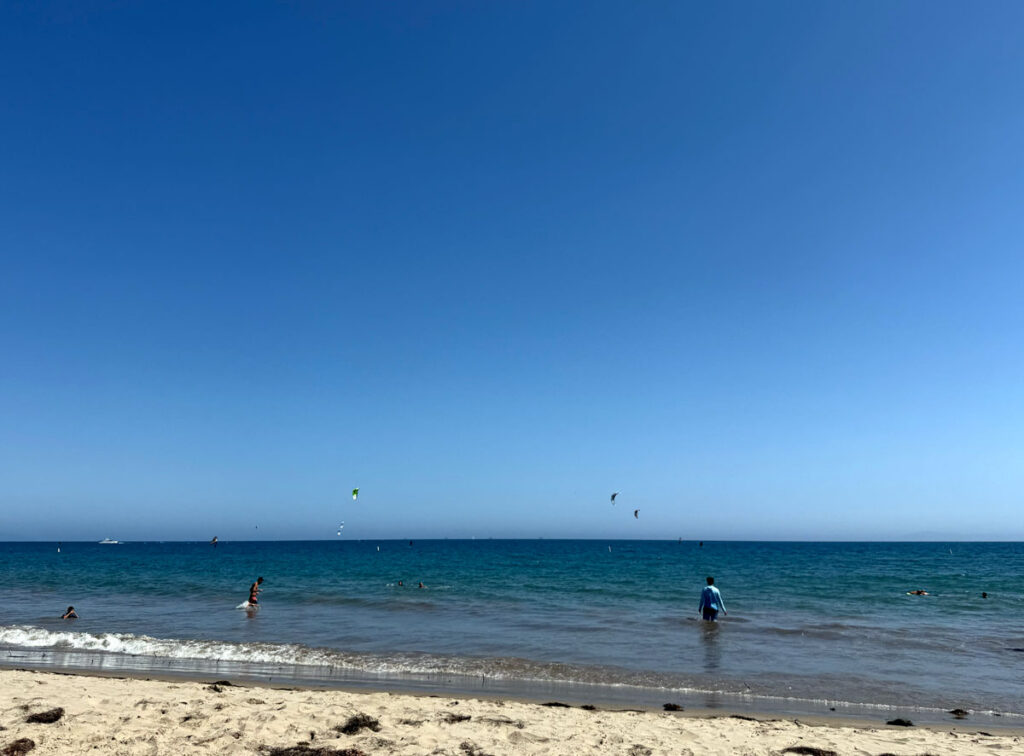
Wind and water sports have a real following here too; it’s common to see kite surfers well offshore on breezy afternoons, taking advantage of the same conditions that make Santa Barbara’s coastline popular with sailors.
Read more: Lido Isle: How to Experience Newport Beach’s Most Exclusive Island
Getting Around Without a Car
Downtown Santa Barbara and the waterfront are flat and walkable, but a few transit options make the mission, the botanic garden, and the beaches easier to string together into one day.
| Option | Price | Best For |
|---|---|---|
| Downtown-Waterfront Shuttle | $0.50/ride, $1 day pass | State Street to the wharf and back, every 20 minutes |
| Santa Barbara Trolley Company (narrated tour) | Paid ticket, check current pricing | A 90-minute overview hitting the Mission, courthouse, beaches, and more |
| Walking | Free | Downtown, State Street, and the wharf, all within about a mile |
Read more: Beverly Hills Travel Guide: Rodeo Drive, Hidden Gems & Everything In Between
Tip:
If you’ve got an Amtrak ticket for that day, show it to the Downtown-Waterfront Shuttle driver for a free ride — a nice perk if you’re arriving by train rather than car.
Sample 2-Day Santa Barbara Itinerary
- DAY 1 MORNING: Old Mission Santa Barbara, then cross the street to the free Rose Garden
- DAY 1 AFTERNOON: Santa Barbara Botanic Garden (book your timed entry ahead)
- DAY 1 EVENING: Dinner in the Funk Zone
- DAY 2 MORNING: Walk State Street, detour to see the County Courthouse
- DAY 2 AFTERNOON: Stearns Wharf and the Sea Center, then East Beach
Money-Saving Tips for Santa Barbara
- Book the Botanic Garden ahead, especially in spring. Reservations are required for everyone, and April–July is the busiest stretch.
- Use the $0.50 shuttle instead of parking twice. Downtown parking and waterfront parking are separate hassles; the shuttle connects them for pocket change.
- Bring your dog to the Botanic Garden. Leashed pets get in free, which isn’t the case at most gardens this size.
- Skip the sit-down wharf restaurants for lunch. Stearns Wharf’s shellfish market and casual counters cost less than its full-service restaurants, with the same ocean view.
- Visit in September or October. Warmer, drier weather than summer’s coastal fog, with noticeably smaller crowds than peak season.