
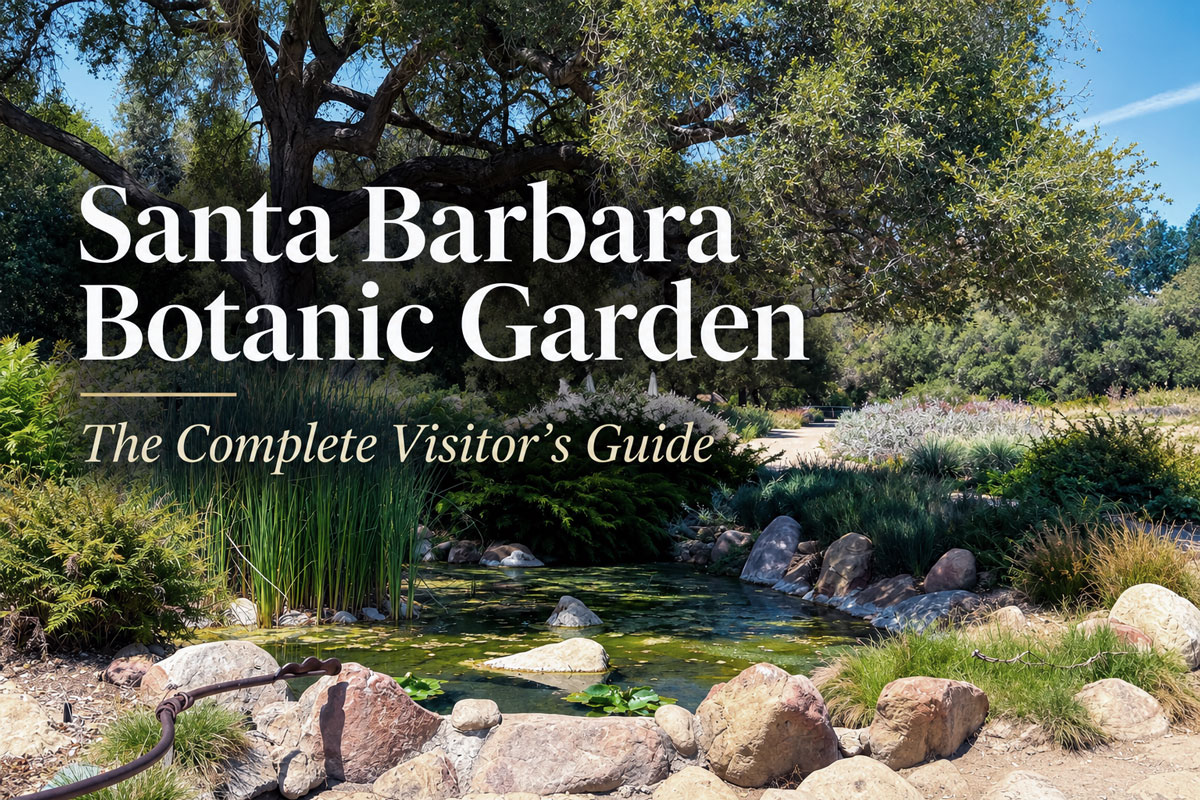
Most botanic gardens are built around plants collected from somewhere else — palms from the tropics, roses bred in Europe, orchids from a dozen countries stitched into one greenhouse. Santa Barbara Botanic Garden does something different: it’s built entirely around plants that already belonged here. Founded in 1926, it was one of the very first gardens in the country devoted exclusively to native flora, and in 2026 it’s celebrating its 100th year doing exactly that. I spent a morning walking its trails, and this guide covers what it actually costs to visit, when to go for the best wildflowers, and what’s genuinely worth seeking out across its eleven distinct habitats.
What Is Santa Barbara Botanic Garden?
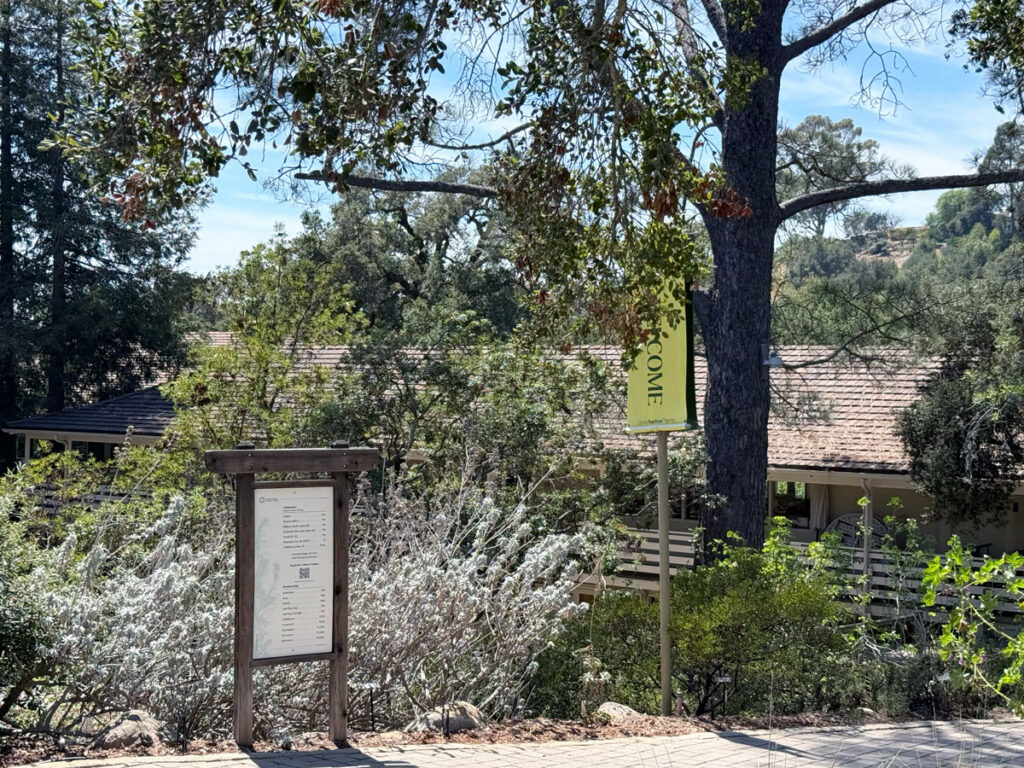
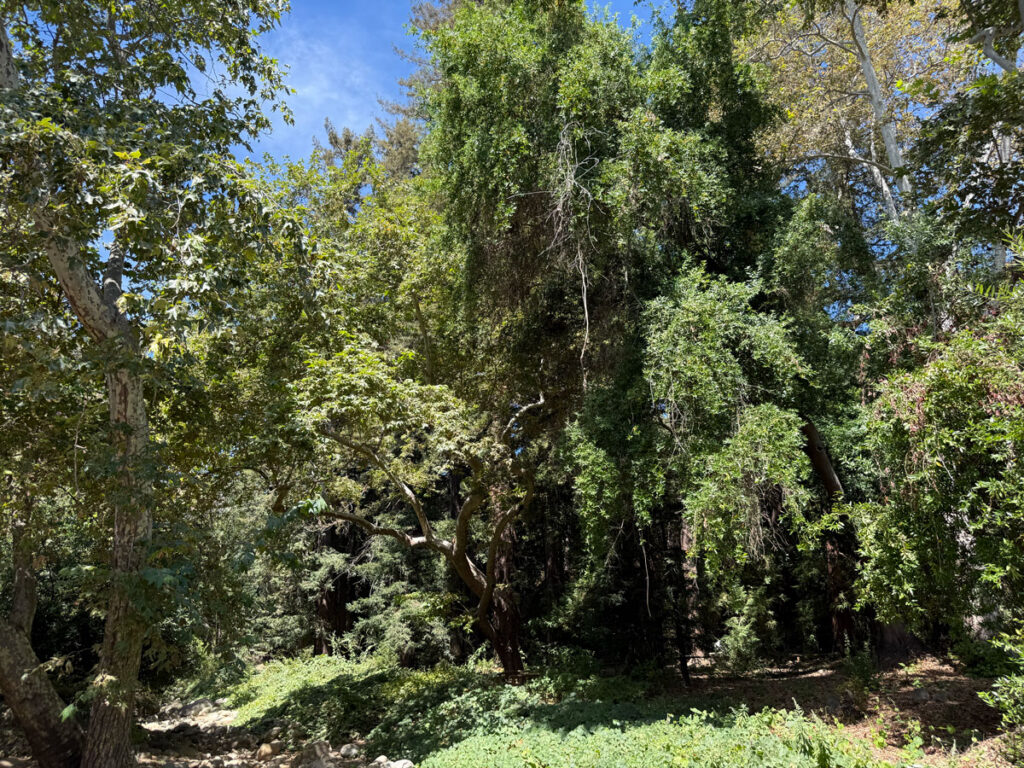
Santa Barbara Botanic Garden sits in Mission Canyon, just a few minutes from downtown, and it’s spread across 78 acres with roughly 5.7 miles of trails winding through eleven distinct habitats — everything from a shaded coast redwood grove to an arid desert section filled with cacti and agave. It holds more than 1,000 species of native California plants and functions as a genuine living museum: it’s accredited by the American Alliance of Museums, not just a pretty park with a gift shop attached.
Read more: The Best Things to Do in Santa Barbara
The Garden was originally called the Blaksley Botanical Garden and was affiliated with the Santa Barbara Museum of Natural History before becoming fully independent in 1939, at which point it took the name it carries today. It became a Santa Barbara County Historical Landmark in 1983.
A Hundred Years of History (and a Very Good Founding Quote)
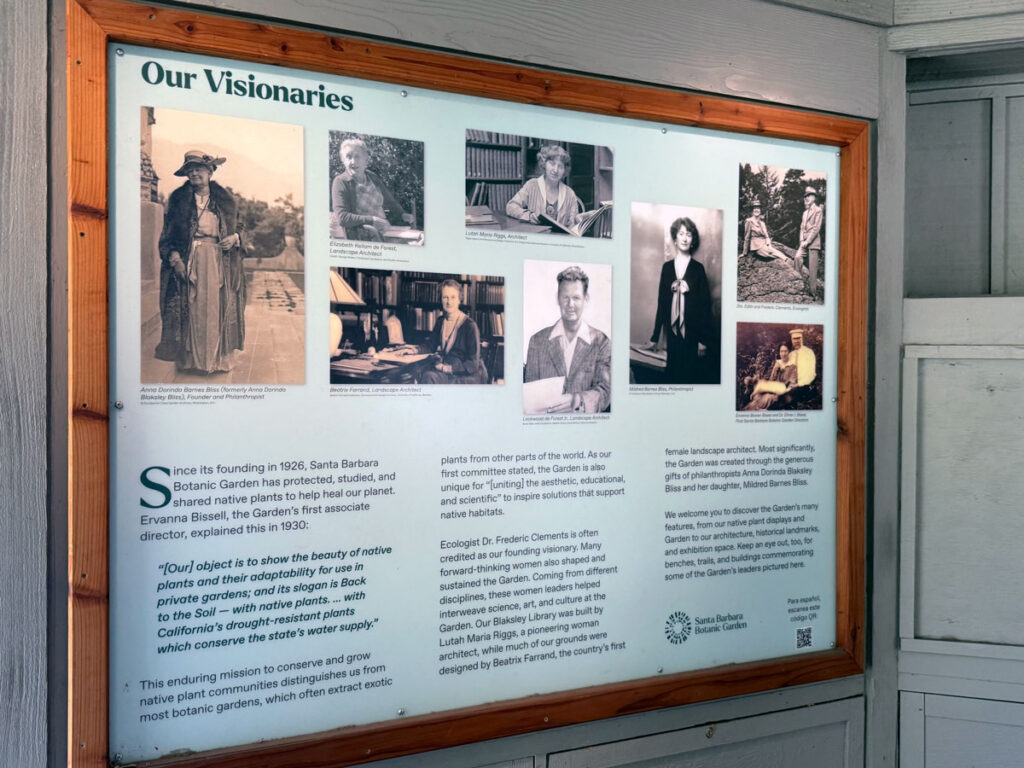
The Garden was founded in 1926 through the generosity of philanthropists Anna Dorinda Blaksley Bliss and her daughter Mildred Barnes Bliss, with ecologist Dr. Frederic Clements credited as its founding scientific visionary. Its grounds were laid out in large part by Beatrix Farrand — widely recognized as the first professional female landscape architect in the United States — alongside landscape architects Lockwood de Forest Jr. and Elizabeth Kellam de Forest, while architect Lutah Maria Riggs designed the Garden’s Blaksley Library.
To mark its 100th anniversary, the Garden is offering free admission every Sunday in October 2026, paired with themed programming covering music, art, wellness, and family activities — worth building a fall trip around if your visit lines up.
The Historic Mission Dam: Older Than the Garden Itself
One of the more surprising things about this place is that its most historic structure predates the Garden by 120 years. The Mission Dam and Aqueduct, built between 1806 and 1807 by Chumash laborers under the direction of Franciscan padres, once carried water from Mission Creek down to Old Mission Santa Barbara. It’s a designated California Historical Landmark, and it’s still standing inside the Garden’s canyon section today — a genuinely rare chance to see functioning colonial-era engineering in the middle of a walk through native plants.
Hours, Admission, and Reservations
The Garden is open daily from 10 a.m. to 5 p.m. Reservations are required for all visitors and can be booked up to three months in advance — this isn’t a walk-up-anytime attraction, so plan ahead, especially if you’re visiting during the busy April–July stretch.
| TICKET TYPE | REGULAR SEASON PRICE |
|---|---|
| Adult | $23 |
| Senior (60+) / Military | $18 |
| Student (with valid ID) | $18 |
| Youth (3–12) | $14 |
| Children under 3 | Free |
| Museums for All (qualifying EBT cardholders) | $3 |
Peak wildflower season (March 1–May 31) carries different pricing, so check the Garden’s official site for exact peak-season rates before you go. Your reservation includes parking for one standard vehicle. Leashed dogs are always welcome and receive free admission.
GOOD TO KNOW
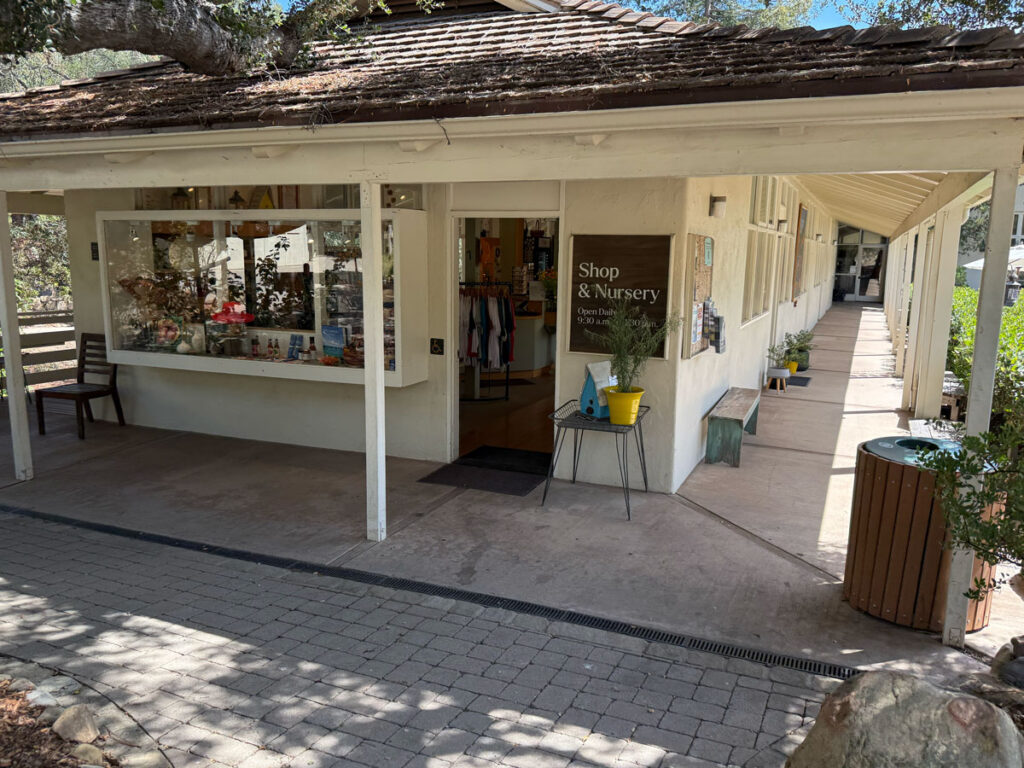
Admission is not required just to visit the Garden Shop & Nursery — if you only want to browse the shop or pick up native plants, you can do that without booking a garden-entry reservation.
Best Time to Visit: When the Wildflowers Peak
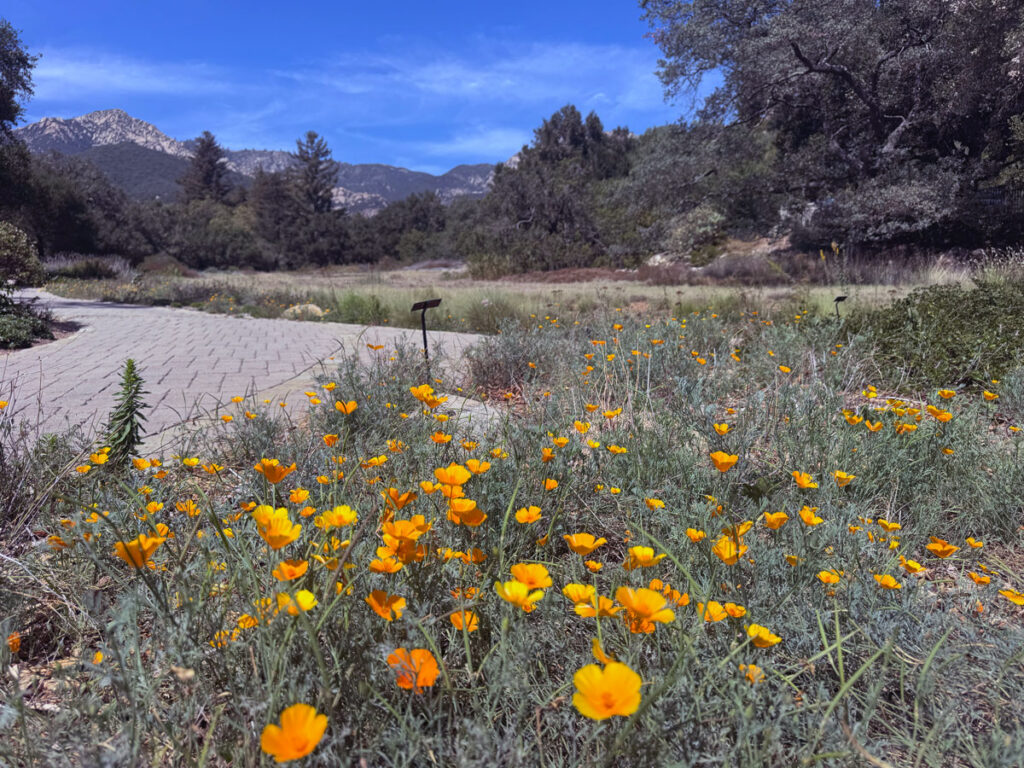
If wildflowers are the goal, aim for late February through April, when the Garden’s iconic meadow section fills with California poppies, lupines, and other native blooms — timing depends somewhat on winter rainfall, so a wet winter generally means a more dramatic bloom. This window overlaps with the Garden’s official peak season (March 1 through May 31), so expect larger crowds and different pricing during those months. If you’d rather have the trails to yourself, a weekday visit in late fall or winter trades some of the wildflower color for a much quieter walk — and 2026’s free October Sundays are a genuinely good reason to time a visit for early fall instead.
Read more: Old Mission Santa Barbara: What to See, Know, and Expect
What to See: The Garden’s Habitats
The Garden’s 78 acres are organized into eleven distinct sections, each representing a different California plant community. A few worth building your route around:
The Meadow
The most-visited and most photographed section, with sweeping views toward La Cumbre Peak and the Santa Ynez Mountains. This is where the poppies put on their spring show.
The Desert Garden
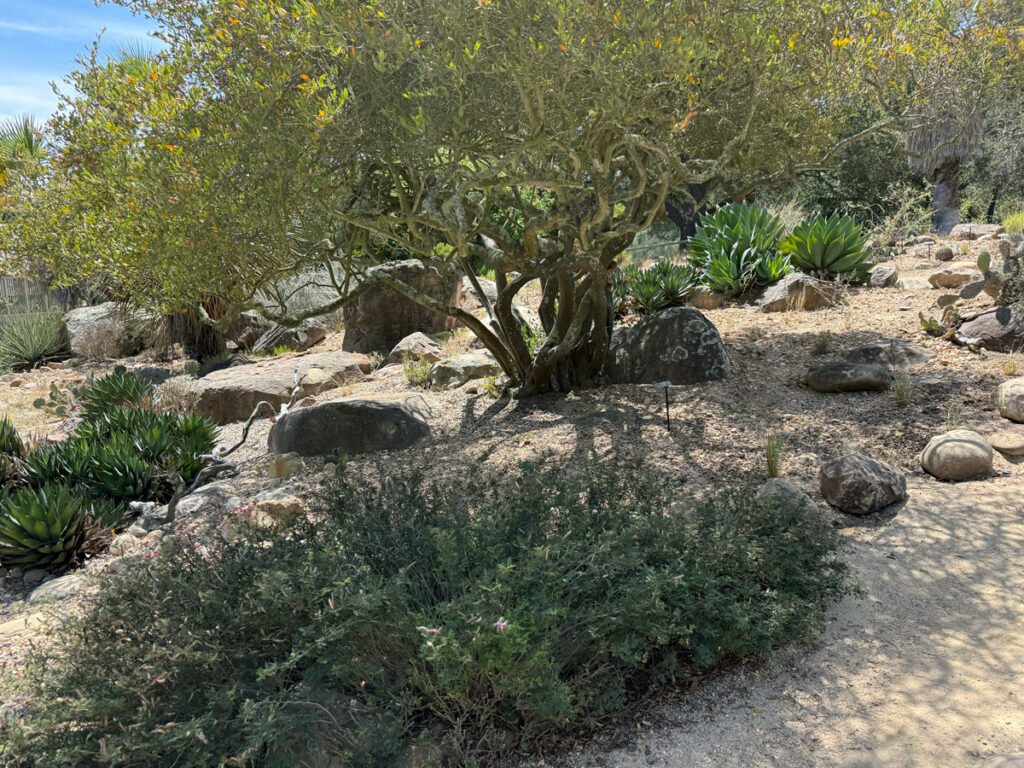
A dry, rocky section planted with cacti, agave, and yucca that demonstrates just how differently California’s native plants have adapted to low-water environments compared to the coastal sections nearby.
Read more: Catalina Island Travel Guide 2026
The Meadow Pond and Redwood Section
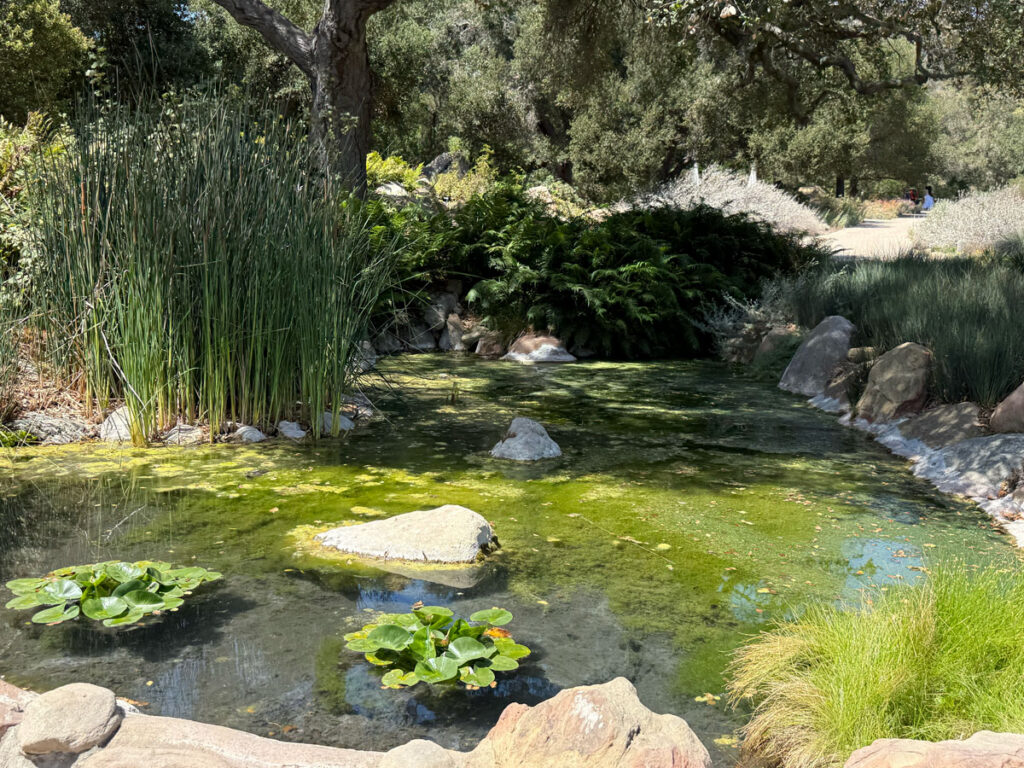
A shaded, spring-fed pond with lily pads and reeds sits near the towering coast redwood grove — a cool, misty microclimate that stands in deliberate contrast to the Desert Garden a short walk away.
The Old Oaks
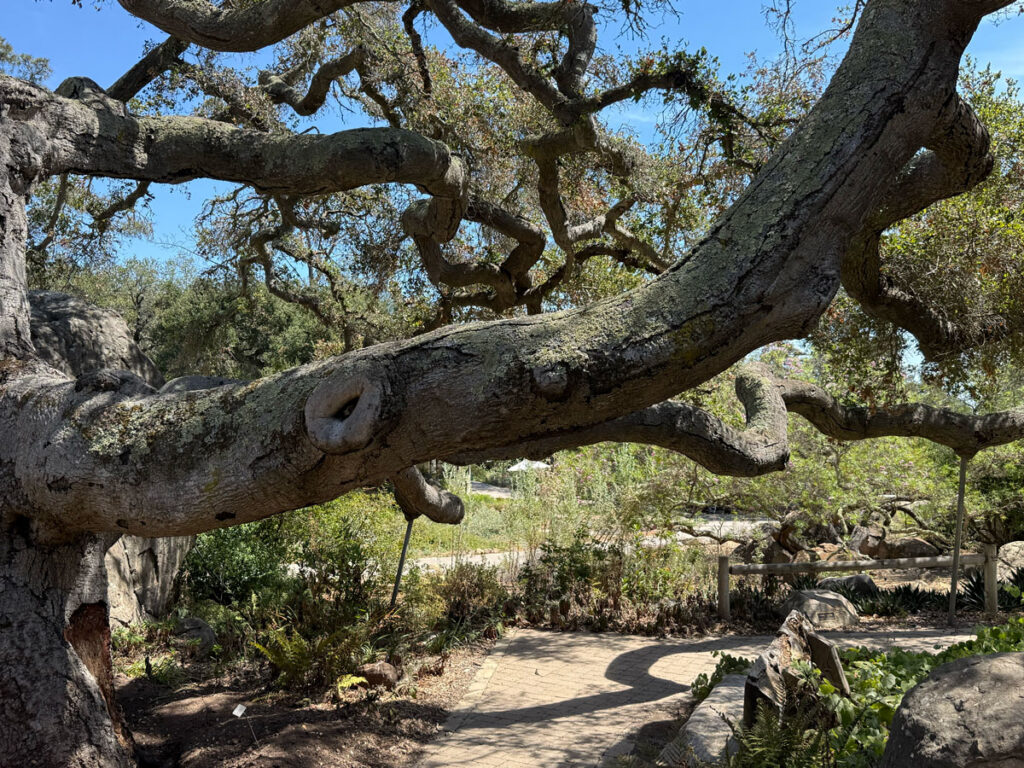
Scattered through the Garden are coast live oaks that predate the Garden itself by centuries — sprawling, low-branched trees that arch directly over some of the main paths.
Wildlife to Watch For
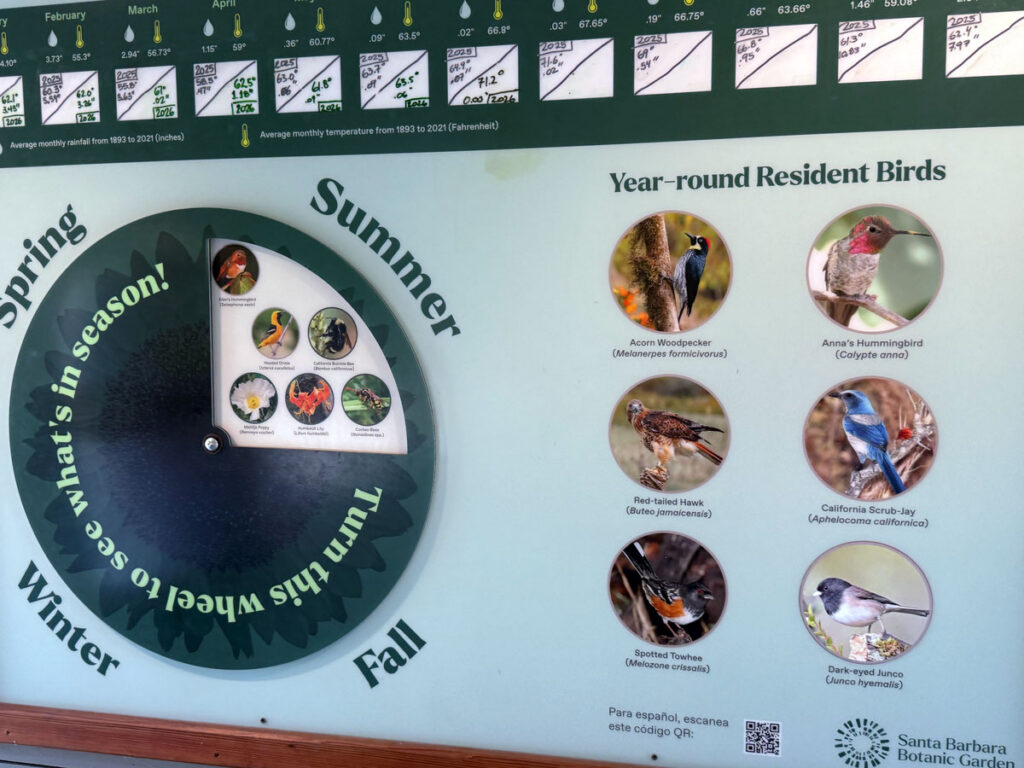
Because the Garden is built entirely around native habitat rather than ornamental planting, it draws a genuinely active resident bird population. An interactive display near the trails names some of the year-round residents you’re likely to spot, including the Acorn Woodpecker, Anna’s Hummingbird, Red-tailed Hawk, California Scrub-Jay, Spotted Towhee, and Dark-eyed Junco.
TIP TO SAVE MONEY
Skip renting binoculars or buying gear ahead of time — the Garden Shop sells hand lenses and nature-watching basics on-site if you decide mid-visit that you want them, so there’s no need to over-prepare (or overspend) before you arrive.
Visiting with Kids
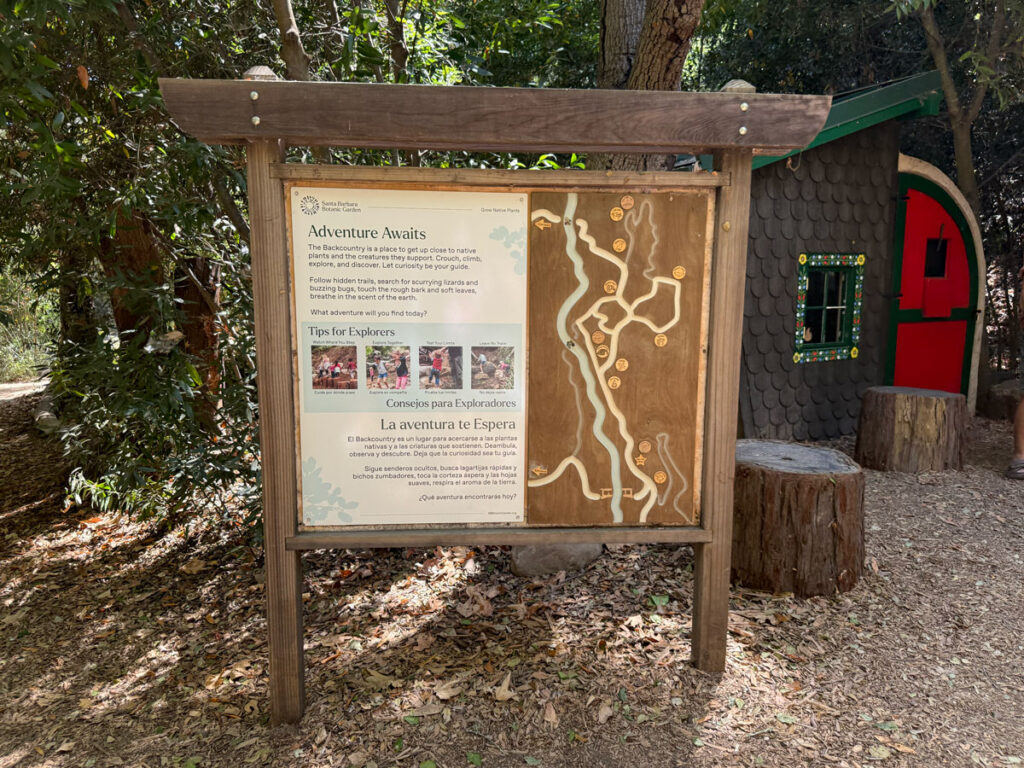
The Garden’s “Backcountry” area is specifically designed for younger visitors — a network of hidden trails built for crouching, climbing, and exploring, with a small, whimsical playhouse structure along the route. Signposted “Tips for Explorers” encourage kids to watch where they step, explore together, test their limits, and leave no trace, in both English and Spanish.
Read more: Best Free Things to Do in San Francisco + Attractions Worth Paying For
The Garden Shop & Nursery
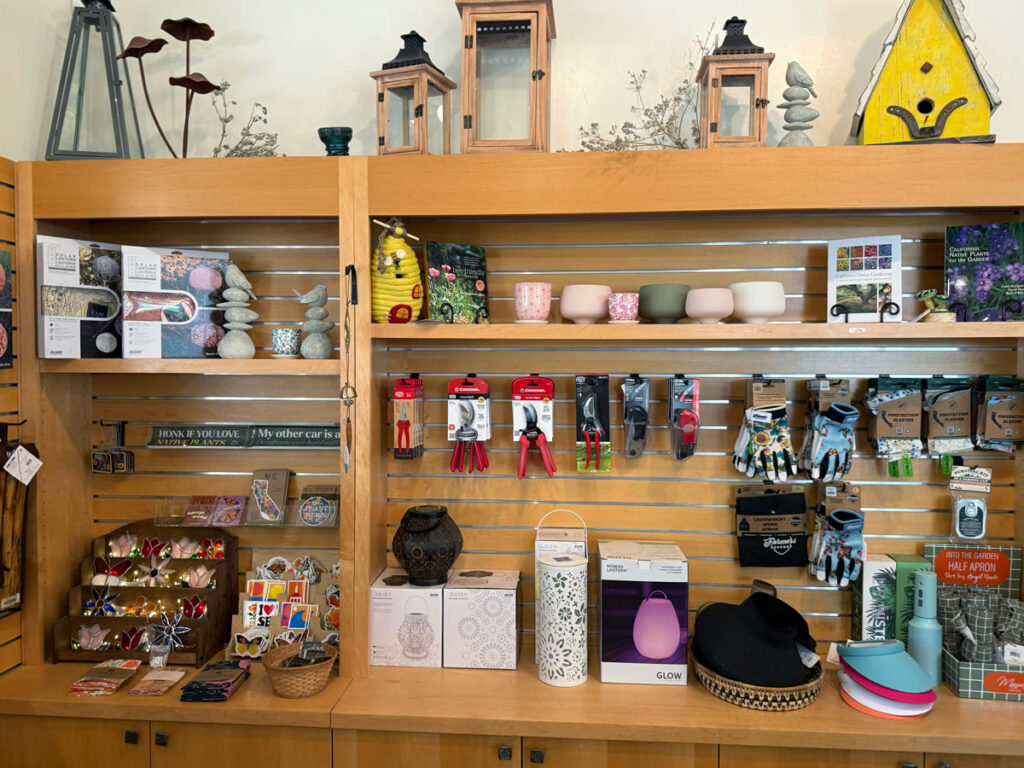
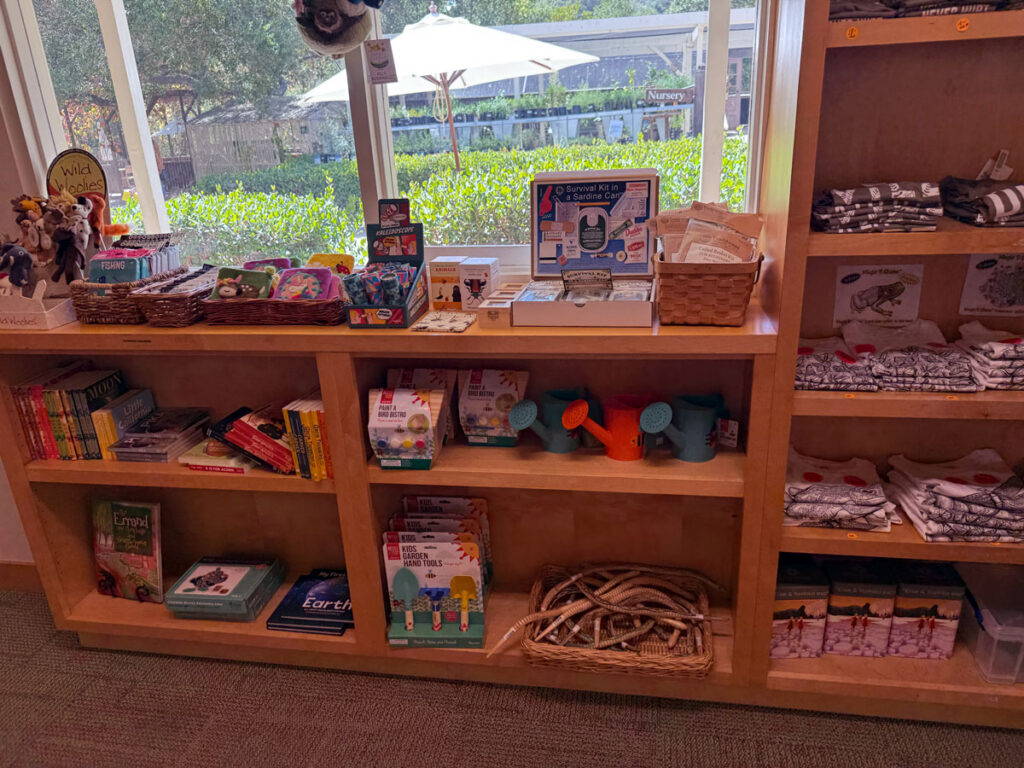
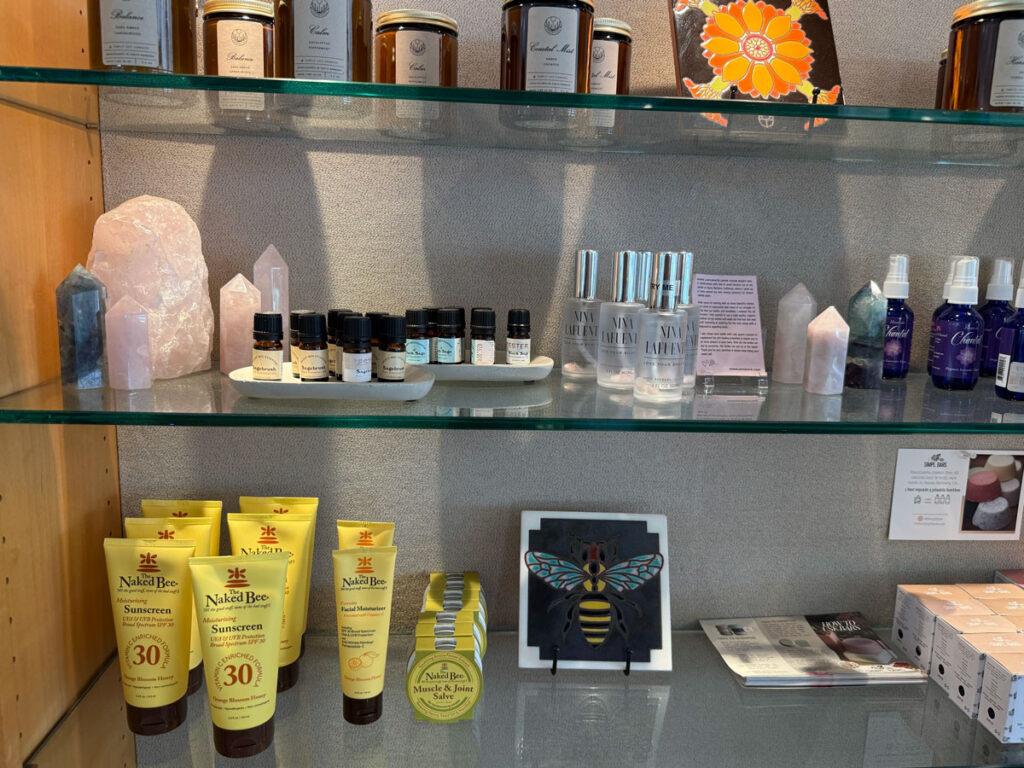
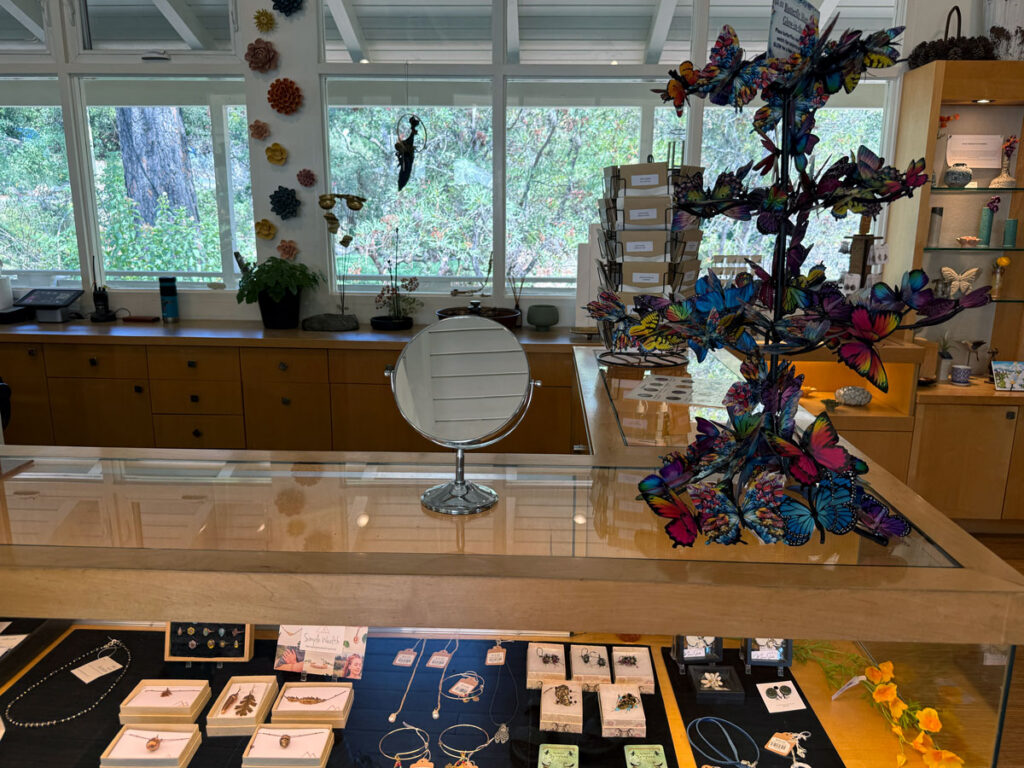
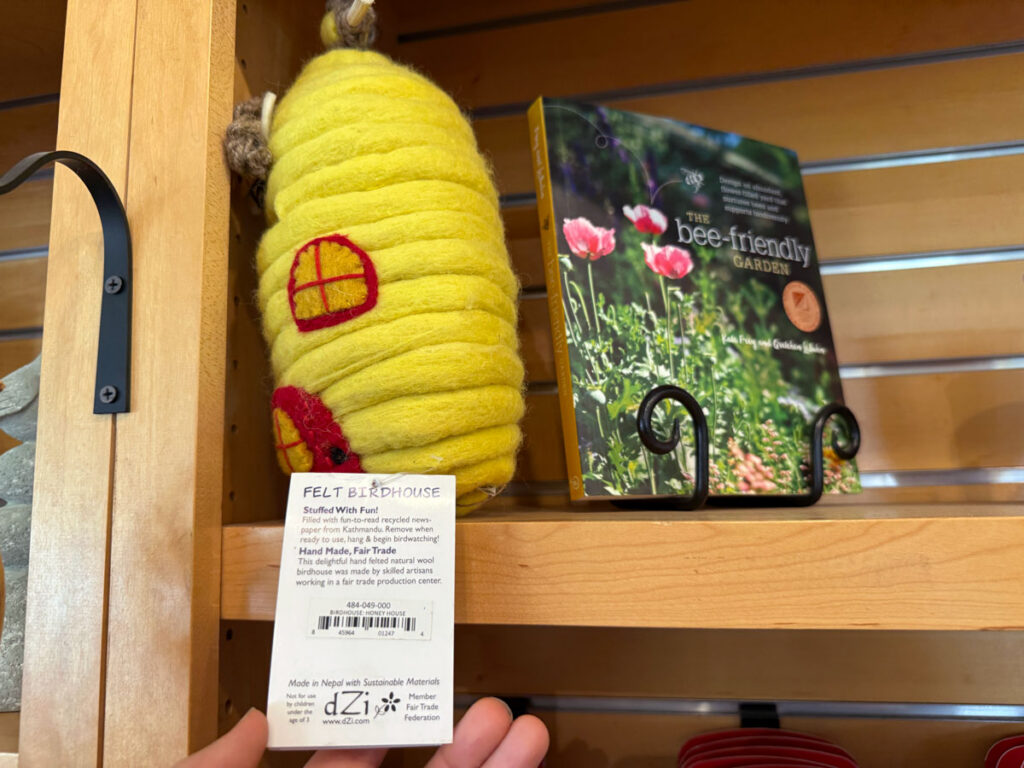
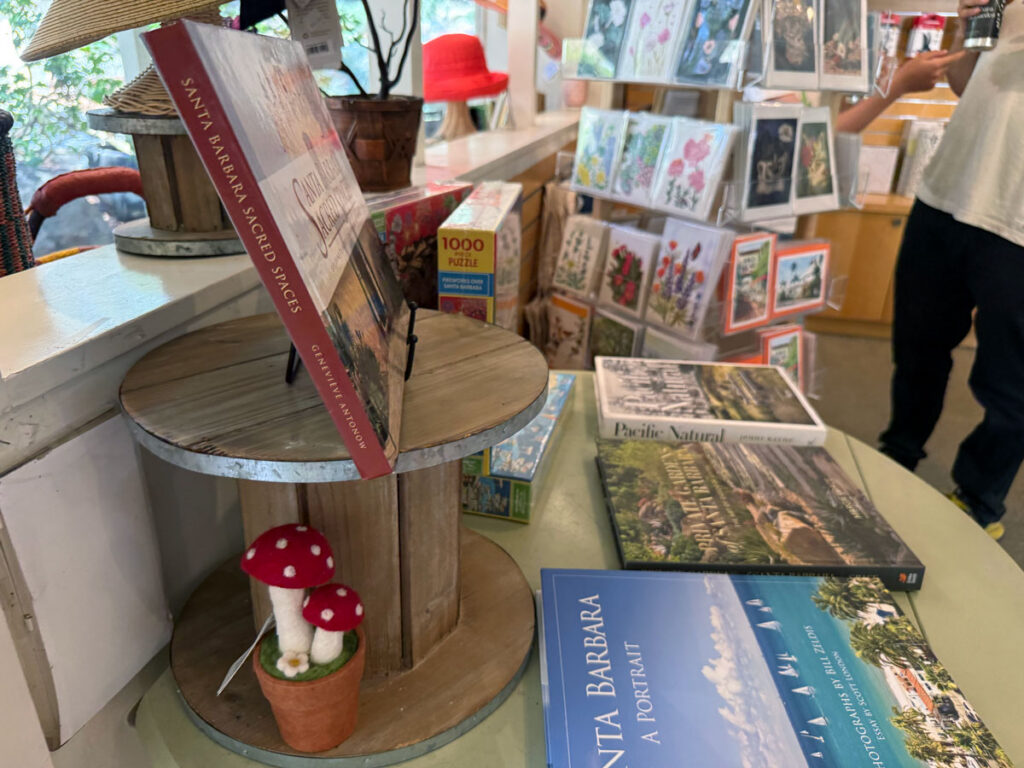
Even if you skip the trails entirely, the Shop & Nursery is open daily from 9:30 a.m. and doesn’t require Garden admission to visit. It sells an unusually well-curated mix of nature-themed gifts, gardening tools, and an actual working nursery of native plants you can take home and plant yourself — genuinely useful if the visit inspires you to bring a little of the Garden’s “back to the soil” philosophy into your own yard.
Read more: I Stayed at Rosewood Miramar Beach — Here’s What Nobody Tells You
Getting There and Getting In
The Garden sits at 1212 Mission Canyon Road, just a few minutes’ drive from downtown Santa Barbara and close to Old Mission Santa Barbara, making it easy to pair both stops in a single morning. Parking is included with your reservation, though vehicles over 31 feet aren’t permitted in the lot. There’s accessible parking at both the main entrance and the Pritzlaff Conservation Center entrance, along with accessible and family restrooms near the entrance kiosk.
Building a longer Santa Barbara itinerary around your Garden visit? It’s worth checking current hotel rates before you lock in dates — Expedia is currently running Up to 60% Off with Last-Minute Travel Deals, which can take a real bite out of the cost of a coastal California weekend, even if the Garden itself is the main draw.
See Expedia Hotel Deals →
Read more: CaliPaso Winery & Villa: Tuscany in Paso Robles — The Honest Review
Tips to Make the Most of Your Visit
- Book your reservation in advance, especially April through July — walk-up capacity is limited, and members get to skip this step entirely.
- Visit late February through April for peak wildflowers, but expect the meadow to be busiest during those exact weeks — arrive right at 10 a.m. opening for the quietest light and fewest crowds.
- Bring your dog — leashed dogs are welcome and get in free, which is a rarer perk than it sounds for a garden this well-maintained.
- Check the October free-Sunday calendar if your trip falls in fall 2026 — the Garden’s 100th-anniversary programming is a genuinely good reason to time a visit around it.
- Wear real walking shoes — with 5.7 miles of trail across uneven, sometimes rocky terrain, this isn’t a paved-loop stroll in dress shoes.
- Bring your own water and a hat rather than buying gear at the shop — much of the trail system is exposed to full sun, especially through the Meadow and Desert Garden sections.
Do I need a reservation to visit Santa Barbara Botanic Garden?
Yes, reservations are required for all visitors and can be booked up to three months ahead. Members can walk in without booking, though advance reservations are still recommended during the busy April–July season.
How much does it cost to visit?
Regular-season admission is $23 for adults, $18 for seniors (60+) and military, $18 for students with valid ID, $14 for youth ages 3–12, and free for children under 3. Peak wildflower season (March 1–May 31) has different pricing, so check the official site before you go.
When is the best time to see wildflowers at the Garden?
Late February through April is generally peak bloom, when the meadow fills with California poppies and other native wildflowers, though exact timing depends on winter rainfall.
Are dogs allowed at Santa Barbara Botanic Garden?
Yes, leashed dogs are welcome throughout the Garden and receive free admission.
How long does it take to walk the whole Garden?
With about 5.7 miles of trails across eleven habitat sections, a thorough visit takes 2–3 hours at an easy pace; a shorter loop through the Meadow and Redwood sections can be done in under an hour if you’re short on time.
Is the Garden Shop free to visit without a Garden admission ticket?
Yes, the Shop & Nursery, open daily from 9:30 a.m., doesn’t require a paid Garden reservation to browse or shop.